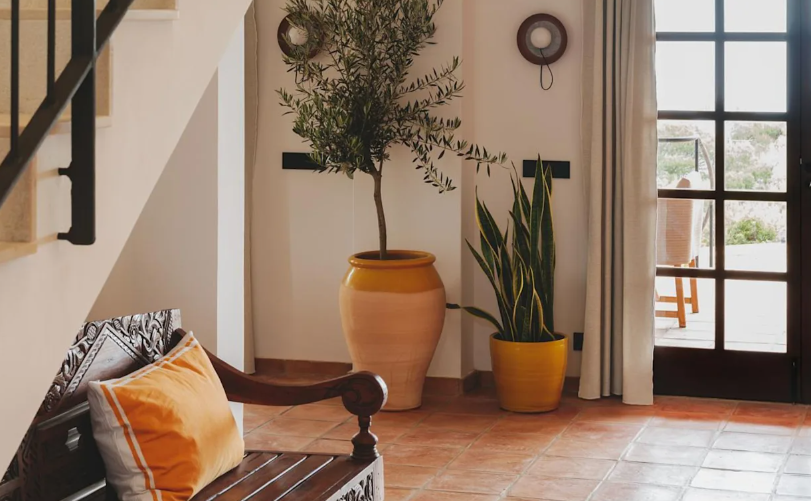
The entryway is the single most important threshold in feng shui philosophy, regarded as the mouth of qi through which all beneficial energy enters the home and begins its journey through every room and corridor of the living space. Just as the quality of air entering the lungs determines the vitality available to the entire body, the quality and volume of qi entering through the front door determines the energetic health, prosperity, and wellbeing of the entire household. No other single feature of a home carries more feng shui significance than the front entrance and the space immediately inside it.
Classical feng shui texts devoted enormous attention to the analysis and enhancement of front entrances, recognizing that the direction the door faces, the quality of the approach path, the condition of the door itself, the colors used, and the arrangement of the space immediately inside all contribute to shaping what kind of energy enters the home and how freely it flows inward to nourish the household. A well-designed entryway acts as a welcoming, channeling, and distributing mechanism for beneficial qi, gathering it from the surrounding environment and guiding it purposefully into the heart of the living space.
The entryway performs a dual function that makes it uniquely complex from a feng shui perspective. It must be sufficiently open, clear, and welcoming to attract and admit generous quantities of beneficial energy, yet sufficiently contained and thoughtfully arranged to slow that energy, allow it to settle and distribute rather than rushing straight through the home and out the back. Too open and exposed, and qi enters but dissipates immediately. Too cluttered and obstructed, and beneficial energy cannot enter at all, leaving the home starved of the vital force it needs to support the household’s flourishing.
Beyond their energetic function, entryways carry profound psychological significance as the spaces in which the transition between the outside world and the sanctuary of home takes place. The experience of crossing the threshold — the visual impression formed in the first seconds of entering, the feeling of the space underfoot, the quality of light and scent encountered on arrival — shapes the mood, expectations, and energetic state of everyone who enters the home. A feng shui entryway that is beautiful, clear, welcoming, and carefully composed performs both its energetic and its psychological functions simultaneously, creating a transition space that genuinely prepares body, mind, and spirit for the nourishing environment within.
Keep the Entryway Clean and Clutter-Free
The entryway must be kept immaculately clean and completely free of clutter, as any obstruction, accumulation, or visual disorder in this critical threshold space directly impedes the flow of beneficial qi into the home and signals to the universe that the household is closed to new energy, opportunity, and abundance. Even a small pile of shoes, a stack of mail, or a collection of forgotten bags creates an energetic blockage at the home’s most important opening.
Ensure the Front Door Opens Fully
The front door must be able to swing open completely to its full extent without being obstructed by furniture, stored items, or accumulated objects placed behind it, as a door that can only partially open symbolically and energetically limits the volume of beneficial qi — and by extension, opportunity and abundance — that can enter the household. Check regularly that nothing has crept into the door’s swing path and remove any obstruction immediately.
Paint the Front Door an Auspicious Color
The color of the front door is one of the most powerful feng shui statements a home can make, as it is the first energetic impression the home presents to both visitors and to the qi of the surrounding environment. Red doors attract prosperity and good fortune in classical feng shui, black doors support career energy for north-facing entrances, green doors activate growth and health, and the optimal choice depends on the door’s facing direction and the five-element associations of that direction.
Keep the Approach Path Clear and Well-Maintained
The path leading from the street or gate to the front door must be kept clear, clean, and in good repair, as it functions as the channel through which qi travels from the broader environment to the home’s entrance. Cracked paving, overgrown plants encroaching on the path, poor lighting, and accumulated debris all restrict this approach channel and limit the quality and volume of beneficial energy that reaches the front door.
Install Good Lighting at the Entrance
Bright, warm lighting at the front entrance keeps the home’s primary qi-gathering point active and welcoming after dark, preventing stagnant energy from accumulating in shadowy, poorly lit threshold areas and ensuring that the home continues to attract beneficial energy through the evening hours. A well-lit entrance also communicates the subconscious message that the household is alive, active, occupied, and open to positive engagement with the world.
Place Auspicious Plants on Either Side of the Door
Healthy, vibrant plants positioned symmetrically on either side of the front door activate the Wood element at the home’s primary entrance, creating a living frame of upward-growing, vital energy that welcomes beneficial qi and symbolically flanks the home with protective, nourishing natural force. Choose plants that are lush, rounded, and genuinely thriving rather than sparse, struggling specimens that introduce the energy of difficulty and inadequacy at the home’s most important threshold.
Avoid Positioning the Staircase Directly Facing the Front Door
A staircase immediately facing the front door creates one of feng shui’s most serious interior configurations, as the stairs pull beneficial energy that has just entered through the front door directly upward and away from the ground floor before it has had time to circulate and distribute itself through the home’s primary living spaces. A folding screen, a round table with a plant or flowers, or a piece of artwork placed between the door and the stair base helps slow and redirect this upward-rushing energy.
Use a Mirror to Expand the Space, But Not Facing the Door
A well-placed mirror in the entryway can visually and energetically expand a small or narrow entrance hall, making it feel more spacious and welcoming and helping to distribute qi more evenly through the threshold space. However, the mirror must never be positioned directly facing the front door, as this reflects incoming beneficial energy straight back out of the home before it has entered — one of the most consistently cautioned against feng shui mistakes in entryway design.
Hang a Wind Chime Inside or Just Outside the Entrance
A metal wind chime hung inside the entrance or just outside the front door activates the Metal element at the home’s primary qi channel, its gentle sound breaking up stagnant energy, welcoming beneficial qi, and creating the kind of subtle sensory signal that orients the energy of the space toward openness and receptivity. Choose a wind chime with a clear, pleasant, harmonious tone rather than a harsh or discordant one.
Keep the Entryway Well-Ventilated and Fresh-Smelling
The first sensory impression encountered upon entering the home — the scent and freshness of the air in the entryway — directly shapes the energetic quality of the qi that the space processes and distributes. Stale air, damp smells, the odor of shoes and outdoor clothing, and chemical cleaning products all introduce discordant energy at the home’s most critical threshold, while fresh air, natural fragrance from flowers or subtle essential oils, and the clean smell of a well-maintained space create an immediately welcoming and energetically nourishing first impression.
Remove Shoes and Outdoor Energy at the Entrance
Creating a clear and consistent transition at the entryway where outdoor shoes are removed and stored — either in a dedicated shoe cabinet, a covered rack, or a storage bench — prevents the energy of the outside world, the street, and other people’s environments from being carried directly into the home’s intimate living spaces. This practice, deeply embedded in Japanese and many Asian household traditions, has a direct feng shui basis in the principle of maintaining the home’s interior energy as a distinct and protected field.
Use the Number Nine or Multiples of Nine for Door Features
The number nine, associated with completion, longevity, and the full expression of positive potential, is considered particularly auspicious for front door features — nine steps leading to the entrance, nine panels in the door design, or a door number that reduces numerologically to nine all activate this powerful completion energy at the home’s primary threshold. Even placing nine small decorative elements in the entryway intentionally invokes this energy.
Ensure the Entryway Has Adequate Ceiling Height
A low, pressing ceiling immediately inside the front door creates an oppressive, constraining energy that compresses the qi entering the home and makes the transition from outside to inside feel uncomfortable and unwelcoming. Where ceiling height cannot be changed structurally, using uplighting, vertical artwork, tall plants, and light colors on the ceiling to draw the eye upward and create a sense of greater height partially compensates for this energetic limitation.
Display an Inspiring Piece of Artwork
The first artwork encountered upon entering the home sets the energetic and aesthetic tone for the entire interior and contributes directly to the mood and expectations of everyone who crosses the threshold. Choose a piece that depicts upward movement, natural abundance, expansive landscapes, or positive symbolic content — a mountain scene, a painting of flourishing nature, an image of open water — that creates an immediate impression of possibility, beauty, and beneficial energy.
Keep the Entryway Energetically Separate from the Kitchen
A kitchen immediately visible from or directly adjacent to the front entrance creates the energetic problem of nourishment energy being encountered before a visitor has even truly arrived, drawing household members and guests immediately toward food and creating an unhealthy conflation of the home’s welcoming threshold with its nourishing center. Physical or visual separation between the entryway and the kitchen, achieved through positioning, screens, or planting, maintains the distinct energetic function of each space.
Use a Solid, High-Quality Front Door
The front door should be solid, substantial, well-constructed, and proportionate to the home — a flimsy, hollow-core, or damaged door at the home’s primary entrance communicates energetically that the household’s defenses, resources, and capacity to attract and hold beneficial energy are weak and unreliable. The door’s quality, solidity, and condition are a direct expression of the home’s energetic integrity and the household’s self-respect and prosperity consciousness.
Avoid a Cluttered Shoe Rack or Visible Shoe Storage
Shoes carry the energy of the outside world — the streets, other environments, and other people’s spaces — and a visible, overflowing shoe rack immediately inside the front door introduces this accumulated external energy directly into the home’s threshold space. Enclosed shoe storage that keeps footwear out of sight, organized, and energetically contained is strongly preferred, maintaining the clean, fresh energetic field of the entryway without sacrificing practical functionality.
Place a Welcome Mat That Is Clean and in Good Condition
The welcome mat at the front entrance serves both the practical function of preventing outdoor dirt from entering the home and the symbolic function of establishing the home’s energetic intention toward visitors and incoming energy. A dirty, worn-out, fraying, or unwelcoming mat sends precisely the wrong message at the home’s most critical threshold and should be replaced regularly to maintain its fresh, welcoming quality.
Avoid Dark Colors in a Small Entryway
Dark wall colors in a small or narrow entryway suppress the bright, expansive, welcoming energy that the home’s primary qi channel requires, creating a heavy, contracting atmosphere that makes the threshold feel more like an obstacle than an invitation. Light, warm, reflective colors — soft whites, warm creams, pale golds, and gentle yellows — keep the entryway feeling open, bright, and energetically alive even in architecturally constrained spaces.
Position a Small Table or Console for Intentional Display
A small console table or entry table in the entryway provides a surface for intentional feng shui display — a vase of fresh flowers, a bowl for keys, a small plant, an auspicious object — that activates beneficial energy at the threshold and creates a composed, welcoming focal point for anyone entering the home. The table should be kept tidy and its display refreshed regularly to maintain its positive energetic contribution.
Ensure the Front Door Number Is Clearly Visible
The house number displayed at the front entrance should be clearly visible, well-maintained, and attractively presented, as it is both the practical identifier of the home and the energetic address through which qi — and by extension, opportunity, visitors, and prosperity — locates and arrives at the household. Faded, damaged, obscured, or missing house numbers make the home energetically difficult to locate and symbolically reduce its capacity to attract what it needs from the outside world.
Keep Umbrellas and Outdoor Equipment Stored Out of Sight
Umbrellas, walking sticks, sports equipment, and other outdoor paraphernalia left visible and unsorted in the entryway introduce a casual disorder and the energy of transitional incompleteness at the home’s primary threshold. Dedicated closed storage for these items — a tall cabinet, a cupboard with doors, or an enclosed rack — keeps the entryway clear, composed, and energetically clean while maintaining practical accessibility.
Avoid a Bathroom Immediately Visible from the Front Door
A bathroom door directly visible from or immediately adjacent to the front entrance creates one of feng shui’s most problematic configurations, as the draining, outflow energy of the bathroom encounters and interferes with the incoming beneficial qi before it has had a chance to enter and distribute itself through the home. Keeping the bathroom door consistently closed, painting it the same color as the surrounding wall to make it recede visually, and placing a mirror on its exterior are the standard remedies.
Use Warm, Welcoming Lighting Rather Than Harsh Overhead Light
The quality and warmth of lighting in the entryway shapes the immediate emotional and energetic experience of crossing the threshold, and warm, welcoming light that creates a gentle glow rather than harsh overhead illumination that floods the space with flat, clinical brightness creates a fundamentally different quality of arrival experience. Warm-toned bulbs, directed or accent lighting, and the soft glow of a table lamp on the entry console all support the inviting, transitional quality that a well-designed entryway should provide.
Keep the Space Between the Gate and the Front Door Well-Tended
The intermediate zone between the property boundary and the front door — the garden path, the driveway approach, the steps and landing — constitutes the final approach channel through which qi travels before entering the home and must be kept as immaculately as the interior entryway itself. Overgrown plants, damaged paving, poor lighting, and accumulated debris in this intermediate zone restrict the beneficial energy approaching the home just as effectively as blockages inside the door.
Display Only Positive and Uplifting Objects in the Entryway
Every object placed in the entryway contributes its own specific energetic quality to the home’s primary threshold and shapes the first impression encountered by both visitors and household members returning home. Sad, aggressive, fearful, or heavy imagery — masks that appear threatening, artwork depicting conflict, objects associated with difficulty or loss — introduces those energetic qualities at precisely the point where the home’s tone is most powerfully set.
Ensure the Entryway Flows Naturally Into the Main Living Space
The transition from the entryway into the home’s primary living areas should feel natural, unobstructed, and inviting, with the spatial sequence drawing both visitors and qi smoothly and purposefully inward from the threshold toward the heart of the home. An awkward, cramped, or confusingly arranged transition between the entryway and the living space creates a bottleneck that restricts the beneficial energy that the well-designed entryway has gathered.
Fix Any Damage to the Front Door Immediately
Cracks, warping, sticking mechanisms, damaged paint, broken locks, squeaking hinges, and any other form of deterioration in the front door must be repaired promptly, as damage to this most symbolically and energetically significant feature of the home directly affects the household’s capacity to attract, admit, and hold beneficial energy. A well-maintained, beautiful, fully functional front door is one of the highest-return feng shui investments any household can make.
Place a Crystal or Faceted Ball in the Entryway
A clear quartz crystal or a faceted crystal ball hung in the entryway or placed on the entry table activates, clarifies, and distributes the incoming qi as it enters the home, breaking up any stagnant or negative energy that has attached itself to the incoming flow and sending beneficial energy in all directions through the threshold space. A faceted crystal ball hung from the ceiling by a red cord of nine or eighteen centimeters is among the most classic and universally applicable feng shui entryway enhancements.
Keep the Entryway Energetically Alive Through Consistent Attention
The most powerful feng shui principle for the entryway is the simplest — consistent, attentive care that treats the threshold as the precious and important space it is, refreshing its flowers, cleaning its surfaces, maintaining its objects, and periodically reassessing its arrangement with fresh eyes. An entryway that receives ongoing, loving attention develops a welcoming, vibrant energetic quality that no single one-time arrangement can fully substitute for.