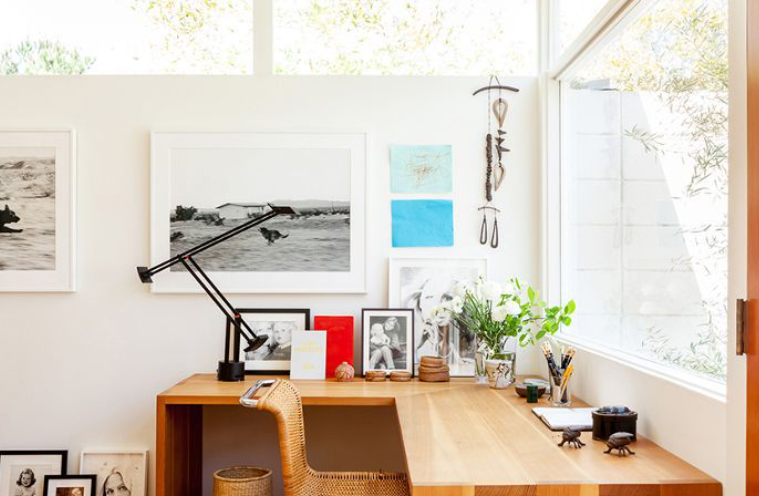
The workspace holds a unique position in feng shui practice because it is the environment in which personal energy, professional ambition, mental clarity, and financial opportunity all converge in a single physical space. Whether a dedicated home office, a corporate desk, or a creative studio, the workspace is where focused yang energy must be sustained over long periods, making its feng shui quite different in character from the restful yin requirements of the bedroom or the social balance of the living room. A workspace with strong feng shui supports concentration, creativity, clear decision-making, and the steady attraction of career opportunity and financial reward.
Classical feng shui texts paid considerable attention to the environments in which scholars, merchants, and officials conducted their work, recognizing that the physical conditions surrounding a person engaged in intellectual or commercial activity have a direct influence on the quality of their thinking and the outcomes of their endeavors. The placement of the desk, the direction one faces while working, the objects kept within the workspace, and the quality of light and air all contribute to shaping the energetic conditions under which work is performed. These ancient observations anticipate much of what modern environmental psychology has confirmed about the relationship between workspace design and cognitive performance.
The fundamental challenge of workspace feng shui is maintaining the active, alert yang energy necessary for productive work while preventing that energy from tipping into the overstimulated, agitated, or scattered quality that makes sustained concentration impossible. Clutter, poor lighting, uncomfortable seating, distracting visual elements, and the invisible but significant influence of electromagnetic fields from electronics all work against the focused, purposeful energy that good workspace feng shui seeks to cultivate. Equally, a workspace that is too spare, cold, or sterile can suppress the creative vitality and motivational warmth that bring work to life.
Applying feng shui principles to a workspace — whether a dedicated room, a shared office, or a corner of a larger space — involves addressing the physical arrangement, the quality of natural and artificial light, the elemental balance of materials and colors, the symbolic content of displayed objects, and the subtle energetic influences of the workspace’s position within the larger building. Many of these adjustments are straightforward and require no significant expense or structural change, yet their cumulative effect on concentration, creativity, motivation, and professional success can be profound and lasting.
Place the Desk in the Commanding Position
The desk should be positioned so that the person working at it can see the room’s door without being directly in line with it, sitting with a solid wall behind them rather than a window or open space. This commanding position is the single most important feng shui principle for any workspace, as it creates the subconscious sense of security, awareness, and control that allows the mind to focus fully on the work at hand rather than remaining on low-level alert.
Avoid Sitting With Your Back to the Door
Sitting with the back directly facing the workspace entrance creates a persistent subconscious vulnerability that manifests as difficulty concentrating, heightened startle responses, and a general sense of unease that undermines sustained productive focus. Where the room layout makes this unavoidable, placing a small mirror on the desk or wall that reflects the door provides a partial energetic remedy by restoring awareness of the space behind.
Solid Wall Behind the Desk Chair
A solid wall directly behind the desk chair provides the mountain support that feng shui considers essential for anyone in a position of authority, decision-making, or sustained mental effort. A window, open space, or glass partition behind the working position lacks this supportive backing and is believed to generate a draining quality that slowly depletes the worker’s energy, confidence, and decision-making capacity over the course of a working day.
Keep the Desk Clear and Organized
A cluttered desk covered in papers, objects, food wrappers, and accumulated debris creates exactly the kind of stagnant, blocked energy that prevents clear thinking, efficient decision-making, and the free flow of creative and professional opportunity. The desk surface is the primary energetic field of the workspace, and keeping it organized, clean, and containing only the tools and materials actively needed for current work maintains the clarity and openness that productive work requires.
Position the Desk to Face an Auspicious Direction
Facing one of the individual’s four auspicious directions — calculated from their kua number in the eight mansions school of feng shui — while working is believed to align the worker’s personal energy with incoming beneficial qi in a way that supports their specific professional and financial goals. Even without calculating personal directions, facing the room’s entrance or a pleasant, inspiring view generally creates a more supportive working orientation than facing a blank wall.
Use Good Quality Natural Light
Natural light from a window positioned to the side of the desk — illuminating the work surface without creating glare on screens or directly in the worker’s eyes — is the ideal light source for a feng shui workspace, supporting alertness, positive mood, accurate color perception, and the vibrant yang energy that productive work requires. A workspace entirely dependent on artificial lighting, particularly harsh fluorescent overhead fixtures, suppresses natural vitality and contributes to the fatigue and flatness that make sustained concentration difficult.
Keep Electronic Cables Organized and Hidden
Tangled, trailing cables beneath and around the desk create visual and energetic disorder that contributes to mental clutter and the diffuse, scattered energy that makes it difficult to sustain focused, purposeful attention on work. Managing cables with ties, conduits, or cable management systems and keeping the floor area around the desk clean and open maintains the clarity of field that concentrated mental work requires.
Incorporate a Plant on or Near the Desk
A healthy plant positioned on or near the desk introduces Wood energy — the element of growth, upward movement, new beginnings, and creative vitality — directly into the workspace’s energetic field, counteracting the drying, depleting influence of electronic equipment and supporting the mental freshness and creative engagement that productive work depends upon. Choose plants with rounded leaves and a modest, contained growth habit rather than sprawling or spiky varieties.
Avoid Sitting Directly Under a Beam or Low Ceiling Feature
Working beneath an exposed ceiling beam or a particularly low, pressing ceiling feature creates the same oppressive, downward-compressing energy that makes beams problematic above beds, and in the workspace this pressure specifically bears down on the worker’s mind and decision-making capacity, creating headaches, tension, and a subtle but persistent sense of limitation and constraint. Repositioning the desk to avoid the beam’s direct overhead influence is always preferable to attempting remedies.
Place the Wealth Corner Intentionally
The southeast sector of the workspace corresponds to the wealth and abundance area of the bagua, and placing intentional enhancements in this corner — a healthy plant, a small water feature, a wealth symbol, or objects in purple, green, or gold — activates and strengthens the financial energy of the working environment. Regular attention to keeping this sector clean, vital, and purposefully enhanced maintains its capacity to attract professional opportunity and financial reward.
Keep the Workspace Well-Ventilated
Fresh air circulation through the workspace continuously renews the qi of the environment, preventing the energetic stagnation that accumulates in sealed, recirculated-air offices and directly supports the mental clarity, alertness, and sustained concentration that productive work requires. Opening windows regularly, using air-purifying plants, and ensuring adequate ventilation through the workspace are foundational practices for maintaining the vibrant, oxygenated energy that the mind needs to function at its best.
Use Colors That Support Focus and Creativity
Workspace colors should be selected to support the specific type of work performed — blues and greens support calm concentration and creative thinking, whites and pale yellows promote clarity and mental alertness, and warm earth tones provide grounding stability for decision-making and sustained effort. Avoid very dark colors that suppress mental vitality, overly stimulating reds and oranges that create agitation, and cold, sterile whites without any warming accent that create a clinical, uninspiring atmosphere.
Avoid Mirrors Facing the Desk
A mirror positioned directly facing the desk is considered inauspicious in feng shui workspace practice, as it is believed to double the worker’s workload — reflecting their efforts back at them and symbolically multiplying the pressure and demands of their professional responsibilities rather than their rewards and achievements. Where mirrors are desired in the workspace for practical or energetic reasons, angling them to reflect something pleasant or auspicious rather than the desk itself addresses this concern.
Keep the Door to the Workspace Visible From the Desk
Maintaining an unobstructed sightline to the workspace door from the primary working position ensures that the commanding position principle is fully realized and that the worker never loses their subconscious orientation within the space. Furniture arrangements, storage units, or partitions that block the door from view even partially undermine this essential quality of the workspace’s energetic security.
Display Inspiring and Motivating Objects
The objects placed within view of the working position have a continuous and cumulative influence on the worker’s mental state, motivation, and subconscious expectations about the direction and quality of their professional life. Displaying objects that represent goals achieved, aspirations held, admired figures, natural beauty, and the specific qualities — focus, creativity, courage, precision — that the work requires creates a visual environment that consistently reinforces the worker’s highest professional intentions.
Avoid Storing Unused or Broken Equipment
Old computers, broken peripherals, outdated files, malfunctioning equipment, and the accumulated technological debris of previous working phases all contribute stagnant, obsolete energy to the workspace that literally and symbolically holds the worker in the past rather than in the energized, forward-moving present. Regular clearing of equipment that is no longer functional or relevant is one of the most energetically liberating maintenance practices in workspace feng shui.
Position a Small Water Feature in the North Sector
The north sector of the workspace corresponds to career and life path in the bagua system, and a small, clean, actively moving water feature placed in this area activates the Water element’s associations with flow, momentum, opportunity, and the smooth unfolding of professional advancement. The feature must be kept scrupulously clean and in continuous operation, as stagnant water in the career sector creates the energetic opposite of what it is intended to support.
Avoid Sitting Directly Facing a Blank Wall
While a solid wall behind the desk provides essential support, a blank wall immediately in front of the worker’s face as their primary visual field creates a constraining, limiting energy that suppresses expansive thinking, creative vision, and the sense of professional possibility that ambitious work requires. Where the desk must face a wall, using the wall as an inspiration board, hanging uplifting artwork, or creating a visual representation of professional goals transforms the constraint into an asset.
Keep Books and Reference Materials Organized
Books, files, and reference materials in the workspace carry the accumulated energy of knowledge, expertise, and intellectual resource, and keeping them organized, accessible, and clearly categorized maintains the clarity and efficiency of the intellectual environment. Overstuffed shelves with books falling sideways, files piled haphazardly, and reference materials scattered across surfaces create the visual and energetic impression of overwhelm that can become a self-fulfilling professional reality.
Use a High-Backed Chair for Support and Authority
A high-backed, solid chair that supports the entire spine and provides a firm, stable seat embodies the mountain principle in the most immediate and physical sense, giving the worker a direct experience of supported authority, confident posture, and the grounded stability from which clear thinking and decisive action naturally arise. A low, poorly supportive, or unstable chair literally undermines the worker’s physical and energetic foundation throughout the entire working day.
Avoid Facing a Window Directly
While natural light from a side window is highly beneficial, sitting directly facing a large window creates a situation where the brightest light source is in the worker’s direct line of sight, generating glare, visual fatigue, and a quality of energetic dispersal in which the worker’s focused attention is drawn outward toward the view rather than inward toward the work. Positioning the desk perpendicular to windows rather than facing them directly achieves the benefits of natural light without its attendant distractions.
Clear the Workspace at the End of Each Day
Clearing the desk and tidying the workspace at the end of each working day is one of the most powerful energetic hygiene practices in feng shui, as it ensures that the stagnant, processed energy of the completed day’s work does not linger in the space overnight and contaminate the fresh, open-field energy needed for the following day’s work. A clean, cleared workspace encountered at the start of each new working session creates a subconscious signal of readiness, possibility, and clean beginning.
Incorporate Metal Element for Precision and Clarity
The Metal element — expressed through metal desk accessories, white or grey color accents, circular forms, and the clean, precise quality of well-organized surfaces — supports the qualities of clarity, precision, efficiency, and discernment that make professional work effective. Metal energy in the workspace helps cut through confusion, sharpen focus, and bring the decisive, finishing quality that transforms work in progress into completed achievements.
Avoid Positioning the Workspace in the Bedroom
Where circumstances require working from home, maintaining the clearest possible physical and energetic separation between the workspace and the sleeping area is essential, as the active yang energy of professional work directly conflicts with and undermines the yin restoration that the bedroom must provide. Even a folding screen, a dedicated alcove, or the consistent practice of closing a laptop and removing work materials from view at the end of the working day helps maintain this crucial energetic distinction.
Keep Symbols of Past Failures Out of the Workspace
Objects, files, correspondence, and visual reminders associated with professional failures, difficult periods, or unresolved negative experiences should be cleared from the workspace, as their presence continuously reintroduces the energy of those experiences into the working environment where it can subtly but persistently undermine confidence, forward momentum, and the openness to new opportunity that professional growth requires.
Position the Printer and Secondary Equipment Thoughtfully
Secondary equipment — printers, scanners, external drives, and other peripherals — should be positioned to the left or right of the primary desk rather than directly in front of or behind the worker, keeping the primary working field clear while maintaining practical accessibility. Equipment placed directly in the worker’s forward line of sight creates visual and energetic obstacles that fragment the clear, forward-directed focus that productive work requires.
Use the East Sector for Health and Vitality Enhancement
The east sector of the workspace is associated with health, family, and the Wood element’s vitality in the bagua system, making it an ideal location for plants, green accents, and objects associated with physical wellbeing and sustained energy. Supporting the east sector of the workspace with living, growing energy helps maintain the physical vitality and mental freshness that sustained professional performance over long working hours requires.
Avoid Overcrowding the Workspace With Furniture
A workspace crowded with too much furniture — extra chairs, redundant storage units, unused equipment stands, and decorative pieces that have accumulated over time — restricts the circulation of qi through the room and creates a physically and energetically cramped working environment that suppresses the expansive, forward-moving energy of professional growth and ambition. The workspace should contain only what is genuinely used and needed, with generous open space maintained around the primary working position.
Keep the Workspace Door Open During Working Hours
Keeping the workspace door open during active working hours allows fresh qi to flow continuously through the space, maintains the worker’s energetic connection to the broader household or office environment, and prevents the stagnation that accumulates in sealed, isolated rooms over the course of a working day. A closed workspace door can also create a subconscious sense of isolation that gradually drains social energy and the collaborative vitality that most professional work ultimately depends upon.
Maintain a Dedicated and Consistent Working Space
Using the same dedicated space consistently for work — rather than migrating between the kitchen table, the sofa, and various corners of the home — allows beneficial professional energy to accumulate and strengthen in a specific location over time, creating a workspace that develops its own focused, purposeful energetic character that actively supports concentration and professional performance each time it is occupied. Consistency of place is itself a powerful feng shui principle, allowing intended energies to deepen and consolidate through repeated, intentional use.