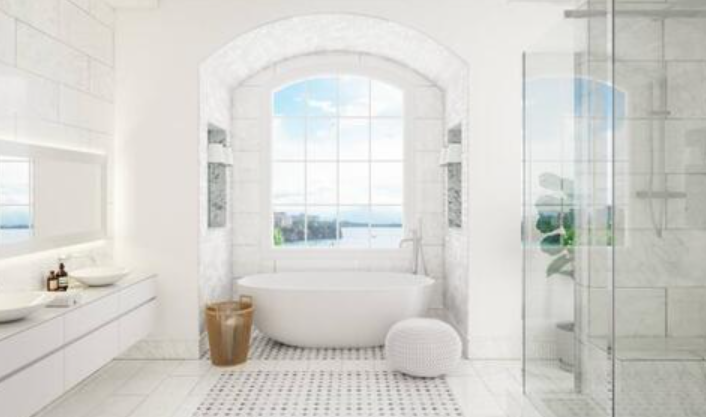
The bathroom occupies a challenging and paradoxical position in feng shui philosophy, simultaneously essential to the household’s physical health and hygiene while representing one of the most energetically problematic spaces in any home. Water — the element most associated with wealth, flow, and abundance in feng shui — is present in the bathroom in abundance, yet it is water constantly in the process of draining away, carrying with it the symbolic and energetic suggestion of resources, vitality, and prosperity flowing out of the household rather than accumulating within it. This fundamental tension between the bathroom’s necessity and its energetic character defines the entire discipline of bathroom feng shui.
Classical feng shui texts regarded the bathroom with considerable concern, advising that its placement, orientation, and management be handled with great care to prevent its draining energy from undermining the household’s health, relationships, and financial stability. In traditional Chinese homes, the bathroom was kept well away from the kitchen, the front entrance, and the bedroom — the three most energetically sensitive spaces in the home — and its doors were kept consistently closed to contain its outward-flowing energy within its own designated space. These classical precautions reflect a sophisticated understanding of how the bathroom’s energetic character, if left unmanaged, can affect the entire household.
The specific features that make the bathroom energetically challenging are straightforward — the toilet, drains, and plumbing fixtures are all mechanisms of outflow, designed to remove water and waste from the home as efficiently as possible. From a feng shui perspective, this constant outflow creates a persistent energetic drain that, without conscious management, can extend its influence beyond the bathroom’s walls to affect the energy of adjacent spaces and the broader household. The bathroom is also typically a small, often windowless space with limited air circulation, conditions that allow stagnant energy to accumulate more readily than in larger, better-ventilated rooms.
Despite these challenges, bathroom feng shui is fundamentally an optimistic discipline — its principles are designed not to make the practitioner fear the bathroom but to equip them with practical, manageable strategies for containing, redirecting, and counterbalancing its draining tendencies. A bathroom that is kept clean, bright, well-ventilated, thoughtfully decorated, and consistently managed according to feng shui principles can be transformed from an energetic liability into a space of genuine cleansing, renewal, and self-nurturing that contributes positively to the household’s overall energy rather than depleting it.
Keep the Bathroom Door Closed at All Times
The single most important and universally agreed-upon bathroom feng shui rule is to keep the bathroom door closed consistently, containing the outward-draining energy within the bathroom’s own space and preventing it from flowing into adjacent rooms, corridors, and the broader household energy field. This one simple habit addresses more bathroom feng shui concerns than any other single adjustment.
Keep the Toilet Lid Down
Keeping the toilet lid closed when the toilet is not in use is the second most fundamental bathroom feng shui practice, as the open toilet represents the most direct and concentrated point of energetic outflow in the entire home — a literal drain through which wealth, health, and beneficial energy are symbolically flushed away with each use. The closed lid creates a simple physical barrier that contains and minimizes this outflow energy.
Fix All Dripping Faucets and Leaking Pipes
Any water leak in the bathroom — a dripping tap, a leaking pipe joint, a seeping toilet seal — represents the continuous, uncontrolled outflow of water energy and its associated symbolism of wealth and resources draining from the household without the household’s intention or awareness. Fixing leaks promptly is one of the highest-priority practical feng shui actions in any home.
Ensure Good Ventilation
Fresh air circulation through the bathroom continuously renews the qi of the space, preventing the heavy, stagnant, damp energy that accumulates in poorly ventilated bathrooms from becoming a persistent source of negative influence on the surrounding rooms and the household’s health. An operable window, a high-quality exhaust fan, or both together maintain the fresh, clean energetic field that transforms the bathroom from a stagnant to a renewing space.
Keep the Bathroom Spotlessly Clean
Cleanliness in the bathroom carries even more energetic weight than in other rooms because the bathroom is already energetically associated with drainage and waste, and allowing it to become dirty adds the energy of decay and neglect to an already challenging energetic profile. Consistent, thorough cleaning of all surfaces — toilet, sink, shower, bath, floor, and walls — is the foundational practice that makes all other bathroom feng shui enhancements meaningful.
Use Mirrors to Expand the Space
A well-placed mirror in the bathroom — on the wall above the sink or along one wall of a small bathroom — visually and energetically expands the space, counteracting the tendency of small, enclosed bathrooms to accumulate stagnant energy in compressed corners and limited areas. The mirror should reflect something clean, bright, and pleasant rather than pointing directly at the toilet or door.
Incorporate Living Plants
A healthy plant in the bathroom introduces Wood energy and living vitality that directly counteracts the bathroom’s dominant outflow and drainage energy, absorbing excess moisture, purifying the air, and creating a connection to upward-growing, vital natural force in the home’s most energetically draining space. Choose plants that genuinely thrive in low light and humid conditions — pothos, peace lilies, and ferns are among the most suitable and practically resilient choices.
Use Warm, Uplifting Colors
While bathrooms are often decorated in cool whites and blues that emphasize cleanliness, feng shui recommends incorporating warm, uplifting tones — soft peaches, warm creams, gentle terracottas, and earthy neutrals — that counterbalance the bathroom’s dominant water energy with grounding earth tones and warming qualities that prevent the space from feeling cold, clinical, and energetically depleting. Pure white is acceptable but benefits from warm accent colors in towels, plants, and accessories.
Keep All Drains Covered When Not in Use
Drain covers on sinks, showers, and baths, kept in place when the drain is not actively in use, provide a simple physical and symbolic barrier against the constant outward-pulling energy of open drains. Like the closed toilet lid, covered drains minimize the bathroom’s tendency to act as a persistent energetic sink drawing energy downward and outward from the household.
Avoid Bathroom Placement Above the Kitchen
A bathroom positioned directly above the kitchen in a multi-story home creates one of feng shui’s most serious household configurations, as the draining, waste-associated energy of the bathroom descends through the floor and ceiling into the space below where the household’s nourishment is prepared, contaminating the kitchen’s life-giving energy with the bathroom’s outflow associations. Where this configuration exists and cannot be changed structurally, strong Earth element enhancements in the kitchen and consistent closed-door practice in the bathroom are the principal remedies.
Display Uplifting Artwork
Artwork in the bathroom should counteract the space’s energetically draining tendencies by introducing imagery of vitality, beauty, upward movement, and natural abundance — lush botanical prints, serene landscapes, images of flourishing nature — that shift the bathroom’s energetic atmosphere toward renewal and restoration rather than depletion. Avoid imagery of water flowing away, empty vessels, solitary or melancholy figures, or anything that reinforces the bathroom’s draining energetic narrative.
Use Candles for Fire Element Balance
Introducing the Fire element into the bathroom through candles — real flame candles used safely, or high-quality flameless alternatives — directly counterbalances the bathroom’s dominant Water energy, creating an elemental tension that prevents water from overwhelming the space and introduces the warming, uplifting, yang qualities of fire into what is otherwise a strongly yin, water-dominated environment. Even a single candle lit during bathing rituals makes a meaningful elemental contribution.
Keep Bathroom Storage Organized and Enclosed
Open shelving displaying an accumulation of half-used products, expired medications, cluttered cosmetics, and the miscellaneous debris of daily grooming creates the same stagnant, overwhelming energy in the bathroom that clutter creates anywhere in the home — but with the added complication that it accumulates in a space already energetically challenged by its drainage function. Enclosed cabinets, organized drawers, and regular clearing of unused products maintain a clean, contained energetic field.
Avoid Locating the Bathroom at the Center of the Home
A bathroom positioned at the center of the home occupies the most energetically significant zone of the entire floor plan — the area that in feng shui corresponds to the heart of the household’s energy field — and places the bathroom’s draining, waste-associated energy at the point from which it can most effectively radiate its negative influence outward to every surrounding room. Where this configuration exists, it requires the most vigorous application of all available feng shui remedies to contain and counteract.
Use Essential Oils and Natural Fragrances
Natural fragrance in the bathroom — from essential oils diffused during bathing, natural soap, fresh eucalyptus hung in the shower, or potted herbs — transforms the sensory atmosphere of the space from one associated with waste and drainage to one of cleansing, renewal, and sensory pleasure that genuinely supports the restorative function bathing is meant to serve. Synthetic chemical air fresheners introduce artificial, discordant energy that masks rather than transforms the bathroom’s energetic challenges.
Ensure Adequate Natural or Full-Spectrum Lighting
A bathroom lit only by harsh, cool-toned artificial light creates a clinical, draining atmosphere that emphasizes the space’s energetic challenges rather than counteracting them. Natural light from a window where available, or warm full-spectrum artificial lighting that mimics the quality of natural daylight, transforms the bathroom into a brighter, more vital space that supports the renewal and restoration that daily bathing rituals provide.
Hang a Crystal to Lift the Energy
A clear quartz crystal or faceted crystal ball hung in the bathroom — particularly in a windowless bathroom that receives no natural light — activates and lifts the stagnant energy of the space, refracting whatever light is available into multiple bright points that energize the room’s field and counteract the tendency of enclosed, damp spaces to accumulate heavy, downward-pulling qi. A crystal hung on a red cord of nine centimeters connects this enhancement to the auspicious energy of the number nine.
Avoid Bathroom Placement Opposite the Front Door
A bathroom immediately visible from or directly facing the front entrance creates the problematic configuration in which the draining energy of the bathroom intercepts and captures the beneficial qi entering the home through its primary opening before that energy has had a chance to distribute itself through the living spaces. Consistent closed-door practice, a mirror on the exterior of the bathroom door, and strong positive enhancements between the front door and the bathroom are the standard remedies.
Keep Towels Fresh, Clean, and Neatly Folded
The towels in a bathroom are among its most frequently touched and energetically significant soft furnishings, and keeping them consistently clean, fresh-smelling, and neatly folded or hung contributes directly to the bathroom’s overall energetic quality. Damp, mildewed, threadbare, or carelessly stuffed towels introduce the energy of neglect and decline into the space where daily physical renewal takes place.
Use the Earth Element to Ground Water Energy
The Earth element — expressed through terracotta accessories, sandy neutrals, stone surfaces, ceramic vessels, and earthy textures — provides the most effective elemental counterbalance to the bathroom’s dominant Water energy, as Earth controls Water in the five-element productive and controlling cycles. Incorporating Earth element materials and colors throughout the bathroom creates a stabilizing influence that prevents water energy from becoming overwhelming and draining.
Avoid Bathroom Placement Above the Front Door
A bathroom positioned directly above the front entrance of the home places its draining energy directly overhead at the point through which all beneficial qi must enter the household, creating an energetic configuration in which the home’s primary opening is continuously shadowed by the bathroom’s outflow associations. Keeping the bathroom door consistently closed and using strong upward-pointing enhancements — tall plants, uplighting, crystals — in the space below are the most effective available remedies.
Keep the Bathroom Energetically Refreshed Regularly
Beyond physical cleaning, the bathroom benefits from regular energetic refreshing — opening windows to clear stagnant air, replacing wilting plants promptly, lighting a candle, refreshing essential oils, and periodically reassessing the space with attention to any new sources of clutter, damage, or energetic heaviness that have crept in since the last assessment. Consistent energetic attention prevents the gradual accumulation of stagnant energy that is the bathroom’s most persistent feng shui challenge.
Use Horizontal Lines and Grounding Shapes in Decor
Horizontal lines in tile patterns, shelf arrangements, and decorative elements introduce the stabilizing, grounding energy of the Earth element into the bathroom’s predominantly downward and outward-flowing energetic field, creating a counterbalancing tendency toward solidity and containment that helps retain beneficial energy within the space rather than allowing it to drain away. Avoid strongly downward-pointing shapes or patterns that reinforce the bathroom’s drainage energy.
Choose High-Quality, Natural Bathroom Materials
Natural stone, ceramic tile, solid wood, and natural fiber textiles carry more grounded, authentic, and vitally alive energy than synthetic alternatives and contribute to a bathroom atmosphere of genuine quality and self-respect that elevates the space from a purely functional utility room to a place of daily renewal worthy of careful and beautiful material choices. The quality of materials in a bathroom directly influences the quality of the renewal experience it provides.
Maintain Consistent Warmth in the Bathroom
A cold, damp bathroom that never fully dries or warms between uses accumulates the yin energy of persistent moisture and chill in a way that progressively deepens the space’s energetic challenges. Adequate heating, effective ventilation that removes moisture after bathing, and the warming influence of candles, towel warmers, and Earth element colors and materials all contribute to maintaining the warmth that prevents the bathroom from becoming a cold, stagnant energy sink.
Avoid Storing Medications and Medical Equipment Prominently
Medications, medical devices, and health-related equipment stored prominently in bathroom cabinets or on open shelves introduce the energy of illness, weakness, and ongoing medical concern into the space dedicated to physical cleansing and renewal. Keeping medical items in a separate, enclosed location where they are accessible but not prominently displayed maintains the bathroom’s energetic focus on health maintenance and vitality rather than illness management.
Create a Spa-Like Atmosphere for Renewal Energy
Elevating the bathroom’s atmosphere toward the qualities of a genuine sanctuary of renewal — through high-quality towels, beautiful natural accessories, pleasant fragrance, soft lighting, and the consistent maintenance of cleanliness and order — directly shifts the space’s energetic character from draining to restorative. A bathroom that genuinely feels like a place of pleasurable self-care performs the energetic function feng shui intends for it, transforming water energy from outflow to cleansing and renewal.
Keep a Small Bowl of Sea Salt to Absorb Negative Energy
A small open bowl of sea salt placed in a corner of the bathroom — particularly in bathrooms that are windowless, very small, or share walls with the bedroom — acts as a natural absorber of stagnant and negative energy, drawing heavy, downward-pulling qi into the salt crystals and away from the bathroom’s active energetic field. The salt should be replaced monthly and the old salt disposed of outside the home rather than dissolved down the drain.