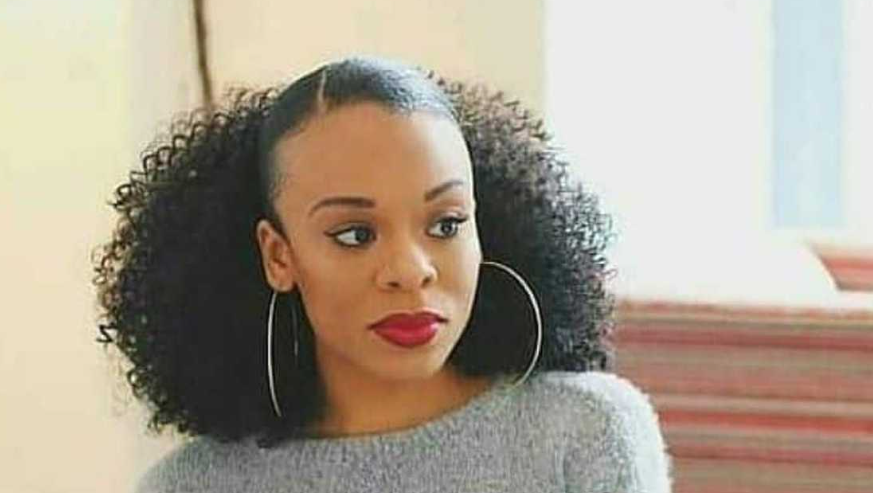
Hair extensions are artificial or natural hair additions used to increase the length, volume, thickness, or color of a person’s natural hair. They have become an essential part of the beauty and fashion industry, allowing individuals to achieve a wide variety of hairstyles without waiting months or years for their natural hair to grow. Available in numerous textures, colors, and application methods, hair extensions can provide anything from subtle volume to dramatic transformations suitable for everyday wear or special occasions.
Hair extensions are typically made from either human hair or synthetic fibers. Human hair extensions are considered the premium option because they can be washed, curled, straightened, dyed, and styled much like natural hair. Synthetic extensions, on the other hand, are generally more affordable and require less maintenance, although they have limitations when exposed to heat styling tools. Choosing between the two depends on budget, desired appearance, and styling preferences.
Modern hair extensions are applied using several techniques, including clips, tape, keratin bonds, beads, sewing, weaving, and even temporary halo systems. Each method offers different advantages in terms of installation time, durability, comfort, maintenance, and cost. Some extensions can be installed at home within minutes, while others require professional application and may last for several months with proper care.
Today’s hair extension industry has evolved significantly through innovations in manufacturing and application technology. Premium extensions are now available in straight, wavy, curly, kinky, and coily textures to suit virtually every hair type. Whether used for fashion, protective styling, theatrical performances, or restoring volume due to hair thinning, hair extensions continue to be one of the most versatile beauty accessories available.
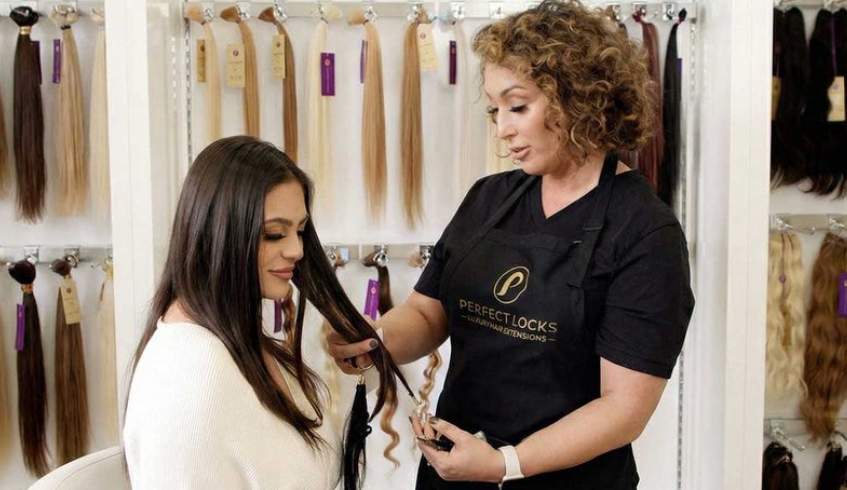
Types of Hair Extensions
1. Clip-In Hair Extensions
Clip-in hair extensions are among the most popular and beginner-friendly extension types. They consist of wefts of hair attached to small pressure-sensitive clips that can easily be fastened to natural hair without adhesives or professional assistance. This method was first popularized in the United States during the late 20th century as demand grew for temporary, damage-free styling solutions. Clip-in extensions can be installed in just a few minutes and removed just as easily, making them ideal for weddings, parties, photoshoots, or occasional wear. Available in both human and synthetic hair, they come in numerous colors, lengths, and textures.
2. Tape-In Hair Extensions
Tape-in hair extensions were developed in the United States and became widely popular during the early 2000s due to their lightweight construction and natural appearance. Small sections of hair are sandwiched between medical-grade adhesive tape strips that lie flat against the scalp. The result is a discreet installation that blends seamlessly with natural hair. Tape-in extensions typically last six to eight weeks before needing repositioning and are favored by those seeking semi-permanent volume and length with minimal bulk.
3. Sew-In (Weave) Hair Extensions
Sew-in hair extensions, commonly called weaves, originated within African and African American hairstyling traditions and have become popular worldwide. During installation, the natural hair is braided into cornrows, and extension wefts are sewn onto the braids using a curved needle and specialized thread. This technique provides a secure, long-lasting style that can remain in place for six to ten weeks. Sew-in extensions are especially suitable for thick, textured, or curly hair and offer excellent protection for natural hair underneath.
4. Fusion (Keratin Bond) Hair Extensions
Fusion hair extensions were developed in Italy before gaining international popularity through European salons. Individual strands of extension hair are attached using keratin protein bonds that are melted with a specialized heating tool. Because keratin closely resembles the natural protein found in human hair, the bonds create a secure and natural-looking attachment. Fusion extensions can last three to five months with proper care and allow for versatile styling, including ponytails and updos.
5. Micro-Link Hair Extensions
Micro-link hair extensions, also known as micro-bead or micro-ring extensions, were developed in Europe, particularly in the United Kingdom, as an alternative to adhesive-based methods. Small sections of extension hair are attached using tiny silicone-lined metal beads that are clamped onto the natural hair without glue or heat. Because they can be adjusted and reused, micro-link extensions have become popular among clients seeking long-term wear while minimizing chemical exposure.
6. Halo Hair Extensions
Halo hair extensions originated in Australia, where they were designed to provide a completely damage-free extension option. Rather than attaching directly to the hair, a transparent nylon wire sits comfortably around the crown of the head, with natural hair covering the wire to conceal it. Halo extensions can be installed in less than five minutes without clips, glue, or heat. They are especially popular among beginners and individuals with fine or delicate hair because they cause virtually no tension on the scalp.
7. Ponytail Hair Extensions
Ponytail hair extensions were developed by professional hairstylists in the United States to quickly create fuller, longer ponytails for fashion, television, and entertainment. These extensions attach over an existing ponytail using a drawstring, comb, clip, or Velcro wrap that conceals the attachment point. Available in straight, wavy, curly, and braided styles, ponytail extensions provide an instant glamorous look for everyday wear, formal events, athletic performances, and special occasions. They are easy to install, reusable, and available in both human and synthetic hair.
8. Flip-In Hair Extensions
Flip-in hair extensions, also called wire hair extensions, were first popularized in Australia before becoming widely available in Europe and North America. Similar to halo extensions, they feature a nearly invisible wire that rests comfortably on the crown of the head while the wearer’s natural hair covers the attachment. Unlike clip-in extensions, flip-in extensions require no clips, glue, tape, or heat, making them one of the least damaging extension methods. They can be applied in just a few minutes and are ideal for adding instant length and volume for special occasions or everyday styling.
9. I-Tip Hair Extensions
I-tip hair extensions were developed in Italy as part of the evolution of strand-by-strand extension techniques. Each extension strand features a small keratin-tipped end shaped like the letter “I,” which is secured to natural hair using tiny silicone-lined microbeads instead of adhesive or heat. This method allows for flexible movement, a natural appearance, and easy repositioning during maintenance appointments. I-tip extensions typically last three to six months with proper care and are popular among clients seeking reusable, semi-permanent extensions.
10. U-Tip Hair Extensions
U-tip hair extensions also originated in Italy and are considered one of the traditional keratin bond extension systems. Each extension strand has a U-shaped keratin tip that is softened using a specialized heat tool before being fused to small sections of natural hair. The resulting bond is discreet, durable, and allows the extensions to blend naturally with surrounding hair. U-tip extensions are especially suitable for individuals who want long-lasting wear and versatile styling options.
11. V-Tip Hair Extensions
V-tip hair extensions were developed in Europe as an improvement on traditional keratin fusion methods. Their V-shaped keratin tips create smaller, flatter bonds that are less noticeable and more comfortable against the scalp. Like U-tip extensions, they require heat for installation and can remain securely attached for several months. V-tip extensions are particularly valued for creating a lightweight, natural-looking finish that works well on medium to thick hair.
12. Nano Ring Hair Extensions
Nano ring hair extensions were developed in the United Kingdom as a refinement of micro-ring technology. They use ultra-small metal rings that are approximately 90% smaller than standard microbeads, making the attachment points nearly invisible. The extensions are applied without glue, chemicals, or heat, helping reduce potential damage to natural hair. Nano ring extensions are especially popular among people with fine or thin hair because the tiny rings remain well concealed while providing excellent movement and flexibility.
13. Machine Weft Hair Extensions
Machine weft hair extensions were first mass-produced in Asia, particularly in China and India, where advanced manufacturing techniques enabled consistent quality and affordability. Individual hair strands are sewn together by industrial machines to create strong, durable wefts that can be cut to the desired length. These extensions are commonly used for sew-in weaves, custom wigs, and clip-in extensions. Machine wefts are highly durable and widely available in a broad range of colors, textures, and lengths.
14. Hand-Tied Weft Hair Extensions
Hand-tied weft hair extensions originated in Europe before gaining popularity in professional salons throughout North America. Skilled artisans carefully sew individual strands of hair by hand into thin, lightweight wefts, producing extensions that lie flatter against the scalp than machine-made wefts. Because they are thinner and more flexible, hand-tied wefts create a natural appearance with minimal bulk. They are commonly installed using beaded rows and are highly favored by clients seeking premium-quality, long-lasting extensions.
15. Bulk Hair Extensions
Bulk hair extensions have their roots in the Indian hair trade, where temple hair donations have supplied high-quality human hair for centuries. Unlike wefted extensions, bulk hair consists of loose bundles without clips, tape, or sewn tracks. This versatile format allows hairstylists to create custom extension systems, braids, dreadlock extensions, wigs, keratin bonds, and hand-tied wefts. Bulk hair is available in virgin, Remy, and non-Remy grades and is widely used by professional salons because it can be customized for virtually any extension technique.
16. Invisible Tape-In Hair Extensions
Invisible tape-in hair extensions were developed in Europe, particularly by premium salon brands in Italy, to create an even more seamless appearance than traditional tape-ins. Unlike standard tape extensions, the hair is injected directly into the adhesive strip, concealing the tape and making it appear as though the hair is growing naturally from the scalp. These extensions are lightweight, comfortable, and virtually undetectable, making them especially popular among people with fine or thin hair. They typically require maintenance every six to eight weeks as natural hair grows.
17. Skin Weft Hair Extensions
Skin weft hair extensions originated in South Korea before becoming widely adopted by salons worldwide. They feature individual hairs embedded into a thin, transparent polyurethane strip that resembles the appearance of a natural scalp. This realistic construction allows the extensions to blend exceptionally well with natural hair while remaining lightweight and flexible. Skin wefts can be attached using tape or adhesive and are ideal for clients seeking a discreet, natural-looking finish with medium-term wear.
18. Feather Hair Extensions
Feather hair extensions first became fashionable in the United States during the early 2010s, inspired by bohemian and festival hairstyles. Instead of adding length or volume, these extensions use natural or dyed feathers attached to small sections of hair with silicone-lined microbeads or clips. Available in numerous colors, lengths, and patterns, feather extensions provide a fun, temporary accent that complements casual, artistic, or boho-inspired looks. They can often be washed, styled, and reused several times.
19. Braided Hair Extensions
Braided hair extensions have their roots in traditional African hairstyling, where additional hair has been woven into natural braids for centuries. Synthetic or human hair is incorporated during braiding to create longer, fuller, and more durable hairstyles such as box braids, knotless braids, Senegalese twists, and cornrows. Besides their decorative appeal, braided extensions help protect natural hair from daily manipulation and environmental damage, making them one of the most popular protective styling methods worldwide.
20. Wig Integration Hair Extensions
Wig integration hair extensions were developed in Europe as a solution for individuals experiencing hair thinning or partial hair loss. Rather than covering the entire scalp like a conventional wig, these systems combine natural hair with extension hair through a breathable mesh or lightweight base. The wearer’s own hair is pulled through openings in the base, creating a fuller, more natural appearance while allowing the scalp to remain ventilated. Wig integration systems are commonly used by individuals with fine hair who want added volume without wearing a full wig.
21. Custom Hair Extensions
Custom hair extensions emerged through professional salon customization services in Europe and North America to meet clients’ unique styling needs. Rather than purchasing ready-made extensions, clients receive extensions specifically tailored to match their natural hair color, texture, density, curl pattern, and desired length. Custom extensions may combine several installation methods, including hand-tied wefts, keratin bonds, tape-ins, or clip-ins, to achieve the most natural result. Because they are individually designed and color-matched, custom hair extensions are considered the most personalized and premium option available.