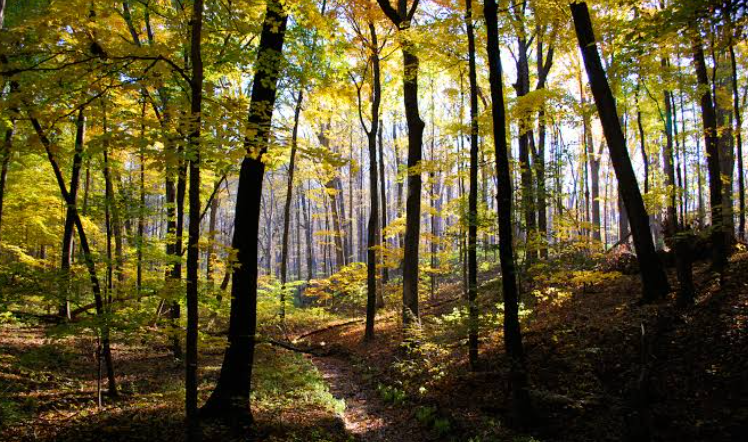
Forests are among the most ecologically significant ecosystems on Earth, covering approximately 31% of the planet’s total land area and serving as the primary habitat for an estimated 80% of the world’s terrestrial biodiversity. These vast expanses of trees and associated vegetation play a crucial role in regulating the global climate by absorbing carbon dioxide from the atmosphere, while also providing essential resources including timber, food, medicine, and clean water to billions of people around the world. Forests have shaped human history and culture for millennia, serving as sources of inspiration, sustenance, and shelter across virtually every civilization.
The distribution of forest types across the globe is determined primarily by climate, with temperature and precipitation patterns dictating which types of trees can survive and thrive in a given region. Forests range from the dense, multi-layered canopies of tropical rainforests near the equator, where warm temperatures and abundant rainfall support an extraordinary diversity of plant and animal life, to the hardy, cold-adapted coniferous forests of the boreal regions, where trees must survive long, harsh winters and short growing seasons. This climatic gradient creates a remarkable diversity of forest ecosystems, each adapted to its particular environmental conditions.
Beyond climate, forests are also shaped by factors including soil type, elevation, water availability, and the historical and ongoing influence of natural disturbances such as fire, storms, and disease, as well as human activities including logging, agriculture, and urban development. The structure and composition of a forest — including the species of trees present, the density of the canopy, and the diversity of understory vegetation — reflects the complex interplay of all these factors over time, creating forests that can look dramatically different even when they occur at similar latitudes or experience broadly similar climates.
Understanding the different types of forests found around the world provides insight into the remarkable adaptability of trees and forest ecosystems to a wide range of environmental conditions, as well as the critical ecological functions that different forest types perform. The following overview explores the major categories of forests recognized by ecologists, along with notable examples of each type found in various regions of the world.
Tropical Rainforest
Tropical rainforests are dense, evergreen forests found in regions near the equator that experience consistently warm temperatures and high rainfall throughout the year, supporting the greatest biodiversity of any terrestrial ecosystem on Earth. These forests are characterized by multiple distinct layers of vegetation, from the towering canopy to the dark forest floor.
The Amazon rainforest in South America represents the largest tropical rainforest in the world, spanning multiple countries and home to an estimated 10% of all known species on Earth, while the Congo Basin rainforest in Central Africa and the rainforests of Southeast Asia, including those of Borneo and Sumatra, represent other major tropical rainforest regions. These ecosystems are increasingly threatened by deforestation driven by agriculture, logging, and infrastructure development.
Temperate Deciduous Forest
Temperate deciduous forests are found in regions with distinct seasons, characterized by trees that shed their leaves in autumn and remain bare through winter before growing new leaves in spring. These forests experience moderate rainfall and temperatures that range from cold winters to warm summers.
The forests of the eastern United States, including the famous fall foliage displays of New England, represent classic examples of temperate deciduous forest, dominated by species such as oak, maple, beech, and hickory. Similar forest types occur across much of Western Europe and parts of East Asia, including China and Japan, where comparable seasonal climate patterns support similar deciduous tree communities.
Temperate Coniferous Forest
Temperate coniferous forests are dominated by evergreen, cone-bearing trees such as pines, firs, and spruces, occurring in regions with moderate temperatures but often with significant variation in precipitation across the seasons. These forests can be found at various elevations and latitudes within the temperate zone.
The Pacific Northwest region of the United States and Canada contains some of the most impressive temperate coniferous forests in the world, including towering stands of Douglas fir, Sitka spruce, and western hemlock that can reach remarkable heights in areas with abundant rainfall. Similar forest types occur in parts of Scandinavia and other regions where coniferous species are well adapted to the local climate conditions.
Boreal Forest (Taiga)
The boreal forest, also known as taiga, represents the largest forest biome in the world, forming a vast belt across the high northern latitudes of North America, Europe, and Asia where long, extremely cold winters and short summers create challenging conditions for tree growth. These forests are dominated by cold-tolerant coniferous species.
Russia’s boreal forest, often called the taiga, represents the largest single forest region on the planet, stretching across much of Siberia and dominated by species such as spruce, fir, pine, and larch that have adapted to survive temperatures that can drop to extremely low levels during winter. Canada’s boreal forest similarly spans a vast portion of the country’s northern regions, providing critical habitat for wildlife including moose, wolves, and numerous migratory bird species.
Mediterranean Forest
Mediterranean forests occur in regions with a distinctive climate pattern characterized by hot, dry summers and mild, wet winters, found not only around the Mediterranean Sea itself but also in other regions of the world with similar climate patterns. These forests are typically dominated by evergreen trees and shrubs adapted to drought and periodic fire.
The forests of the Mediterranean Basin itself, including regions of Spain, Italy, Greece, and other countries bordering the sea, are characterized by species such as cork oak, holm oak, and various pine species adapted to the region’s hot, dry summers. Similar Mediterranean-type forests occur in California, where they include oak woodlands and chaparral, as well as in parts of Chile, South Africa, and southwestern Australia.
Tropical Dry Forest
Tropical dry forests occur in tropical regions that experience a pronounced dry season, during which many tree species shed their leaves to conserve water, creating a forest that can appear dramatically different between wet and dry seasons. These forests are often less biodiverse than tropical rainforests but still support significant wildlife populations.
Tropical dry forests once covered extensive areas of Central America and parts of South America, including significant portions of Mexico and countries throughout Central America, though these forests have been heavily impacted by agricultural conversion and now represent some of the most endangered tropical ecosystems. Similar dry forest ecosystems occur in parts of Africa, India, and Southeast Asia, where the seasonal cycle of leaf loss and regrowth represents a key adaptation to the alternating wet and dry conditions.
Mangrove Forest
Mangrove forests are unique coastal forest ecosystems found in tropical and subtropical regions, composed of salt-tolerant trees and shrubs that grow in the brackish water of coastal areas, estuaries, and river deltas. These forests provide critical habitat for a wide range of marine and terrestrial species.
The Sundarbans, located in the delta region of Bangladesh and India, represents one of the largest mangrove forests in the world and provides habitat for the Bengal tiger along with numerous other species adapted to this unique environment. Mangrove forests are found along coastlines throughout the tropics, including significant areas in Indonesia, Florida in the United States, and various countries in West Africa and Central America, providing important coastal protection and nursery habitat for fish.
Montane Forest
Montane forests occur at higher elevations on mountains, where increasing altitude creates cooler temperatures and often increased precipitation compared to surrounding lowland areas, resulting in forest types that can differ significantly from those found at lower elevations in the same region. The specific characteristics of montane forests vary considerably depending on latitude and other local factors.
The cloud forests found on certain tropical mountains, including locations in Costa Rica and other parts of Central and South America, represent a distinctive type of montane forest characterized by persistent cloud cover and exceptionally high humidity that supports a remarkable diversity of epiphytic plants such as orchids and bromeliads. Montane forests at higher latitudes, including those found in the Rocky Mountains and the Alps, often transition through several distinct forest types as elevation increases, eventually giving way to alpine tundra above the treeline.
Riparian Forest
Riparian forests occur along the banks of rivers, streams, and other water bodies, characterized by tree species that are adapted to periodic flooding and the generally higher soil moisture levels found in these environments compared to surrounding upland areas. These forests often form important corridors connecting different habitat types.
The cottonwood and willow forests found along many rivers in the western United States represent classic examples of riparian forest, providing critical habitat for wildlife in regions where surrounding areas may be considerably drier. Riparian forests around the world play important roles in stabilizing riverbanks, filtering pollutants from water before it enters rivers, and providing habitat connectivity for species that move along watercourses.
Plantation Forest
Plantation forests are forests that have been deliberately established through the planting of trees, typically for commercial purposes such as timber production, rather than developing through natural processes of forest succession. These forests are often characterized by a single species or a limited number of species planted in regular patterns.
Large plantation forests of species such as eucalyptus, pine, and teak have been established in various countries around the world, including extensive plantations in countries such as Brazil, where fast-growing eucalyptus plantations supply timber and pulp industries. While plantation forests can provide important economic benefits and help meet demand for wood products, they generally support significantly less biodiversity than natural forests and have sometimes been criticized when established by converting natural forest ecosystems.
Old-Growth Forest
Old-growth forests are forests that have developed over very long periods of time without significant disturbance from human activity, typically characterized by trees of considerable age and size, a complex multi-layered structure, and significant amounts of dead wood in various stages of decay. These forests represent some of the most ecologically complex terrestrial ecosystems.
The remaining old-growth forests of the Pacific Northwest in North America, including stands of trees that may be many centuries old, represent increasingly rare examples of this forest type, having been significantly reduced through historical logging activities. Old-growth forests provide critical habitat for species that depend on the specific structural characteristics these forests develop over time, including cavities in large old trees and the complex understory environments created by fallen logs and canopy gaps.