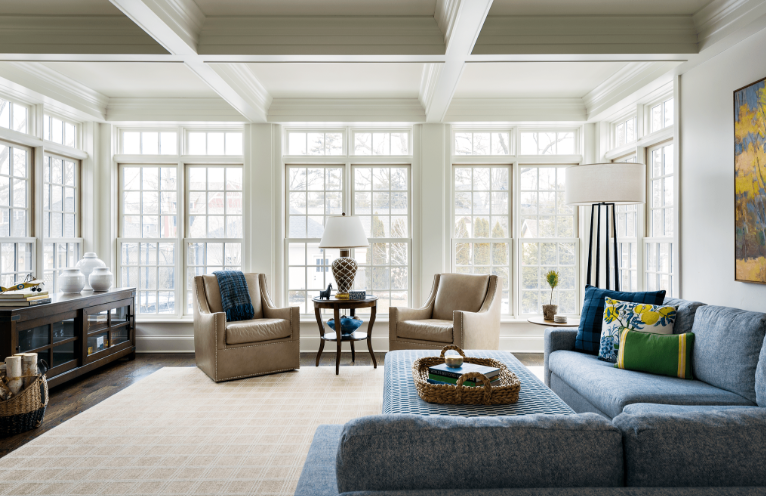
The living room is the social heart of the home in feng shui philosophy, the space where the household gathers, where guests are welcomed, and where the family’s collective energy is most openly expressed and shared. Unlike the bedroom, which is governed by yin principles of rest and withdrawal, or the kitchen, which concentrates nourishing fire energy, the living room must balance both yin and yang qualities — active enough to support lively conversation and social connection, yet calm enough to allow genuine relaxation and restoration. Getting this balance right is the central challenge of living room feng shui.
In the classical feng shui understanding of the home, the living room functions as a kind of energetic lungs for the household — a spacious, open space where qi can gather, circulate, and distribute itself throughout the home before moving into more specialized rooms. The quality of energy in the living room therefore has an outsized influence on the overall energetic health of the entire home. A living room with strong, positive, freely flowing qi benefits every other room it connects to, while a living room with stagnant, blocked, or turbulent energy sends those same distorted qualities throughout the household.
The layout, furniture arrangement, color palette, lighting, decorative choices, and the objects displayed in the living room all contribute to shaping its energetic character. Feng shui’s approach to the living room is holistic, addressing each of these dimensions not in isolation but as components of a single integrated environment. A beautifully chosen color palette cannot compensate for a furniture arrangement that blocks energy flow, just as perfect furniture placement cannot overcome the negative influence of specific decorative objects that introduce conflicting or disturbing energy into the space.
Applying feng shui to the living room is ultimately about creating a space that truly serves its occupants — where people genuinely feel at ease, where conversation flows naturally, where guests feel welcome and comfortable, and where the household’s members can both engage energetically with one another and retreat into peaceful relaxation. Many of the principles described here will feel intuitively right even to those with no prior knowledge of feng shui, because they align with the accumulated human wisdom about what makes shared spaces feel genuinely good to be in.
Place the Main Sofa in the Commanding Position
The main sofa should be positioned against a solid wall with a clear view of the room’s entrance, embodying the commanding position principle that underlies all major furniture placement in feng shui. This arrangement gives the occupants a subconscious sense of safety, control, and ease that allows them to relax fully and engage openly with guests and family members.
Avoid Placing Furniture With Backs to the Door
Any seating positioned with its back directly facing the main door creates an energetically vulnerable arrangement that generates subconscious unease and tension in those seated there, undermining the relaxed, open quality that the living room is meant to support. If the room layout makes this unavoidable, placing a low console table or plants behind the sofa creates a symbolic sense of backing and partial protection.
Keep the Center of the Room Clear
The center of the living room corresponds to the Earth element and the health area of the bagua, and keeping it open and unobstructed allows qi to gather, breathe, and distribute itself evenly throughout the space. A coffee table in the center is acceptable if it is proportionate and leaves generous circulation space, but large furniture, floor lamps, or decorative objects cluttering the central area block this essential energetic breathing space.
Use Rounded Furniture Where Possible
Sofas, chairs, tables, and shelving with rounded edges and organic curves support the smooth, even flow of qi through the living room without generating the cutting energy that sharp corners and angular furniture direct toward occupants. Rounded corners on coffee tables are particularly important, as tables in the center of the seating arrangement with sharp corners point their cutting energy directly at everyone seated around them.
Ensure All Seating Has a View of the Door
Every seat in the living room should ideally allow its occupant to see the main entrance without requiring them to turn uncomfortably, creating a room arrangement in which everyone feels naturally oriented, aware of their surroundings, and subconsciously secure. Seating arrangements that leave guests or household members facing walls, corners, or away from the room’s primary entrance create a persistent underlying discomfort that prevents genuine relaxation.
Balance Yin and Yang Energy
The living room requires a conscious balance between yin qualities — soft textures, muted colors, gentle lighting, rounded forms — and yang qualities — bright light, vibrant color accents, upward-pointing plants, and lively artwork. An overly yin living room feels heavy, soporific, and socially deadening, while an overly yang space feels agitated, over-stimulating, and exhausting to spend time in.
Keep the Living Room Clutter-Free
Clutter in the living room — piles of magazines, accumulated ornaments, excess furniture, objects stored on the floor — traps stagnant qi and creates a persistent background energetic noise that accumulates into feelings of overwhelm, mental congestion, and social discomfort. The living room’s role as the home’s primary gathering space requires that it be kept genuinely clear of accumulation rather than merely tidied around the edges.
Use Appropriate Colors for the Walls
Living room wall colors should support the space’s dual function of social engagement and restful relaxation — warm neutrals, soft earth tones, gentle greens, and muted golds create an inviting, grounded atmosphere that works well across most living room orientations and uses. Avoid very dark colors that suppress the room’s yang vitality, and use bold, saturated colors as accents rather than dominant wall treatments.
Place the Television Thoughtfully
The television should not dominate the living room’s primary focal point or face the main seating arrangement in a way that makes passive screen-watching the default activity of the space, as this suppresses the social, conversational, and vital energy that the living room is meant to cultivate. When not in use, the television’s dark, reflective screen acts as a mirror and should ideally be positioned where it does not reflect the seating area or main entrance.
Incorporate Living Plants
Healthy, thriving plants in the living room introduce Wood energy, living vitality, natural air purification, and a connection to the natural world that significantly enhances the room’s overall energetic quality. Choose plants with rounded, soft leaves rather than spiky or thorny varieties, and ensure they are kept healthy, well-watered, and positioned where they receive adequate light to maintain their vitality.
Use Layered Lighting
A living room lit exclusively by a single harsh overhead fixture creates flat, unvarying light that suppresses the subtle energetic variation that makes spaces feel alive and welcoming. Layered lighting — combining ambient overhead light with table lamps, floor lamps, uplighters, and candles — allows the room’s energy to be modulated across different times of day and different social occasions, supporting both lively gathering and peaceful evening relaxation.
Avoid Mirrors Facing the Front Door
A large mirror positioned directly opposite the front door reflects incoming beneficial qi straight back out of the home before it has a chance to circulate and nourish the living space and its occupants. Mirrors in the living room should be positioned to expand views, reflect pleasant garden or natural light, and symbolically double abundance rather than to face directly toward any entrance.
Display Auspicious Artwork
The artwork displayed in the living room contributes directly to the energetic atmosphere of the space and the subconscious mood of everyone who spends time there, making the selection of paintings, prints, and sculptures one of the most important feng shui decisions in the room. Choose imagery that depicts abundance, harmony, upward movement, natural beauty, and positive human relationships, and avoid artwork showing solitary figures, conflict, decay, or melancholy themes.
Position the Sofa Against a Solid Wall, Not Under a Window
A sofa placed in front of a window lacks the solid backing that feng shui considers essential for the commanding position, as windows allow energy to pass through and create a sense of instability and vulnerability for those seated before them. Solid walls provide the energetic equivalent of a mountain at the back — stable, protective, and supportive of the security and ease that allows genuine relaxation.
Avoid Sharp Architectural Angles Pointing at Seating
Protruding wall corners, exposed brick piers, angular architectural features, and the corners of large furniture pieces that point directly at the main seating area generate poison arrows — concentrated lines of cutting qi that create a persistent, subtle discomfort for those seated in their path. Softening these angles with plants, fabric draping, or rounded decorative objects is the recommended remedy where the architectural feature cannot be removed.
Keep Doors and Pathways Unobstructed
Every doorway and circulation pathway in the living room should be kept completely clear of furniture, decorative objects, and floor-level clutter, allowing both people and qi to move through the space freely and naturally without having to navigate around obstacles. Blocked or obstructed pathways create the energetic equivalent of blocked arteries, restricting the healthy circulation that the room’s social function requires.
Use Pairs of Decorative Objects for Relationship Energy
Displaying decorative objects in pairs — matching vases, paired sculptures, two candle holders, complementary cushions — activates the relationship energy of the living room and creates a visual language of harmony, balance, and partnership that supports the room’s function as a space of social connection and shared life. Solitary ornaments, odd numbers of decorative items, and single figures without companions can energetically reinforce aloneness.
Avoid Dried Flowers and Dead Plant Material
Dried flowers, preserved botanical arrangements, and any plant material that has lost its living vitality introduces the energy of endings, desiccation, and decline into the living room’s energetic environment. Fresh flowers, living plants, or high-quality silk flowers that convincingly suggest living vitality are the feng shui alternatives that maintain the room’s connection to the upward, growing energy of the Wood element.
Choose Furniture Proportionate to the Room
Furniture that is too large for the room overwhelms the space, blocks qi circulation, and creates a cramped, pressured feeling that prevents the relaxed social energy the living room needs. Furniture that is too small for the space fails to ground the room’s energy and creates a sparse, unsupported quality. Proportionate furniture that allows generous circulation space between pieces creates the ideal balance of substance and openness.
Incorporate the Fire Element for Social Warmth
The Fire element — expressed through candles, a fireplace, warm red or orange accents, triangular forms, and bright lighting — introduces social warmth, conversation energy, and the animated vitality that makes a living room feel genuinely alive and welcoming rather than merely comfortable and inert. A working fireplace in the living room is one of the most powerful feng shui enhancements possible, creating a natural focal point for gathering that has resonated with human social instincts for millennia.
Avoid a Cluttered Entrance into the Living Room
The transition from the entrance hall or front door into the living room should feel open, clear, and welcoming, allowing qi to move fluidly from the home’s primary entry point into its main social space without encountering obstacles or constriction. A cramped, cluttered, or furniture-blocked entry into the living room creates the energetic equivalent of a restricted throat, limiting the flow of beneficial energy into the heart of the home.
Position Bookshelves With Care
Bookshelves in the living room add intellectual energy and the Wood element of accumulated knowledge, but open bookshelves with books projecting forward at irregular depths create multiple small poison arrows pointing into the room. Keeping books neatly organized and flush with the shelf front, or using closed-door bookcases, minimizes this cutting energy while retaining the room’s intellectual vitality.
Use Natural Materials in Furnishing
Furniture, flooring, and decorative objects made from natural materials — solid wood, natural fiber textiles, stone, ceramic, and natural metals — carry more vital, grounded qi than synthetic alternatives and contribute to the authentic, nourishing quality of a well-balanced living room. Natural materials connect the indoor space to the elemental world beyond it, supporting the five-element balance that feng shui seeks in every room.
Avoid a Direct Alignment Between Front Door and Back Door or Window
When the front door, living room, and a rear door or large window are directly aligned, qi rushes straight through the home without slowing, gathering, or distributing itself beneficially through the living space. Breaking this straight-through alignment with furniture arrangement, a room divider, a rug, or plants placed across the direct pathway slows the rush of energy and encourages it to meander and nourish the room before exiting.
Keep the Living Room Well-Ventilated
Fresh air circulation through the living room supports the continuous renewal of qi in the space, preventing the energetic stagnation that accumulates in sealed, airless rooms over time. Regular ventilation — opening windows, using air-purifying plants, and ensuring good air movement — keeps the living room’s energy fresh, oxygenated, and vibrant in a way that directly supports the clarity, sociability, and vitality of those who spend time there.
Avoid Placing the Sofa Under Exposed Beams
A sofa positioned directly beneath an exposed ceiling beam experiences the same oppressive, downward-pressing energy that makes beams problematic above beds, and in the living room this pressure concentrates specifically on those seated beneath it, creating tension, headaches, and a persistent sense of being weighed down that guests and family members may attribute to other causes. Moving the sofa out from under the beam or installing a fabric canopy are the standard remedies.
Use Rugs to Define and Ground the Seating Area
A well-chosen rug placed beneath the main seating arrangement anchors the furniture grouping energetically and visually, creating a defined zone of gathering energy within the larger living room space. The rug should be large enough for all the main seating pieces to rest at least partially on it, as a rug that the furniture floats around without touching fails to perform its grounding function and creates an untethered, unsettled energy.
Avoid Aquariums in the Bedroom Alcove of an Open-Plan Living Space
While fish tanks and aquariums can be powerful wealth activators in the living room when properly placed — particularly in the north or southeast sectors — positioning them in or adjacent to any sleeping area within an open-plan space introduces too much active water energy into a zone that requires yin quiet. In a conventional separate living room, a healthy, well-maintained aquarium with an odd number of fish is considered a potent prosperity enhancer.
Display Symbols of Abundance and Prosperity
Decorative objects that symbolize prosperity, abundance, and good fortune — a bowl of fresh fruit, a vase of lush flowers, a wealth ship filled with coins, a crystal bowl catching light — reinforce the living room’s capacity to attract and hold positive energy and signal to the qi of the space that the household welcomes and expects abundance. These objects should feel genuine and beautiful rather than token or perfunctory.
Ensure the Living Room Receives Adequate Natural Light
Natural light is among the most powerful activators of positive, vibrant qi in any interior space, and a living room that receives generous natural light through well-maintained, unobstructed windows contains a fundamentally different energetic quality from one that relies entirely on artificial lighting. Clean windows that admit maximum natural light, window treatments that can be opened fully during daylight hours, and mirrors positioned to reflect and distribute natural light into darker areas all support the living room’s yang vitality.
Avoid Cacti and Spiky Plants as Decorative Features
While plants are generally beneficial in the living room, cacti and other succulents with pronounced spines introduce sharp, aggressive energy that conflicts with the open, welcoming, socially harmonious atmosphere the living room is meant to cultivate. The pointed spines generate cutting qi in all directions from their location, creating an energetic environment of subtle defensiveness and prickliness that can manifest in the social dynamics of those who spend time in the space.
Keep Electronics Organized and Cords Hidden
Visible tangles of electrical cords, multiple remote controls left on every surface, and the general visual clutter of poorly organized electronics create a chaotic, fractured energy that subtly disrupts the living room’s capacity for genuine rest and coherent social connection. Managing cables behind furniture or within cable conduits, using wireless technology where possible, and keeping electronics stored neatly when not in use maintains the clean energetic field that feng shui recommends.
Place a Crystal in the Center or Southwest of the Room
A natural crystal — particularly clear quartz, rose quartz, or amethyst — placed in the center or southwest area of the living room activates the Earth element, stabilizes the room’s overall energy, and in the case of rose quartz specifically nurtures the relationship and love energy of the southwest bagua sector. Crystals should be kept clean and dusted regularly, as they accumulate and hold energy that requires periodic refreshing.
Avoid Displaying Family Photos in Conflicting Arrangements
Family photographs in the living room connect the space to the household’s relational energy, but displaying photos of ex-partners, deceased relatives prominently positioned as dominant focal points, or images depicting conflict, illness, or difficult periods introduces those energetic associations into the room’s atmosphere. Choose photographs that depict happy, healthy gatherings, loving relationships, and positive shared experiences.
Ensure the Room Has a Clear and Intentional Focal Point
Every living room benefits from a single, clear focal point — a fireplace, a beautiful piece of artwork, a statement plant, or a carefully composed arrangement — that draws the eye naturally and anchors the room’s energy around a center of visual and energetic gravity. A living room without a focal point has no energetic anchor, and the qi wanders and disperses without gathering around any point of meaningful concentration.
Use Soft Furnishings to Moderate Acoustic Energy
Hard, bare surfaces — uncarpeted floors, bare walls, glass tables, and minimal soft furnishings — create an acoustically reflective environment in which sound bounces harshly around the room, generating a yang energy that is too sharp and stimulating for a space also meant to support relaxation. Rugs, curtains, upholstered furniture, cushions, and wall hangings absorb and soften acoustic energy, creating the warmer, more enveloping atmosphere that supports genuine social ease.
Keep Fresh Flowers or High-Quality Floral Arrangements
Fresh flowers in the living room introduce living beauty, natural fragrance, the Wood element’s upward vitality, and a powerful symbolic message of abundance, celebration, and the household’s willingness to invest in beauty and renewal. As fresh flowers wilt and die, they should be replaced promptly, as dead or dying flowers carry declining energy that works directly against the living room’s positive energetic atmosphere.
Avoid Overwhelming the Room With Too Many Decorative Objects
A living room crowded with ornaments, sculptures, souvenirs, and decorative objects on every surface and shelf creates visual and energetic overload that prevents qi from moving freely and generates a background sense of congestion and overwhelm. Curating the room’s decorative contents to a thoughtfully selected collection of meaningful, beautiful, and energetically appropriate objects — with generous empty space between them — allows each piece to be appreciated and the room’s energy to breathe.
Position Water Features on the North or Southeast Wall
In a living room where a small indoor water feature is appropriate, positioning it on the north wall — associated with career and life path — or the southeast wall — associated with wealth and abundance — harnesses the Water element’s energy in alignment with the bagua sectors it most beneficially activates. Water features should be proportionate to the room, kept immaculately clean, and always kept flowing, never allowed to sit stagnant.
Keep the Living Room Energetically Distinct from Work Spaces
In homes where the living room doubles as a workspace — with a desk, work computer, or filing visible in the social space — the active, achievement-oriented energy of work persistently intrudes on the relaxed, social quality the living room is meant to provide. Using screens, furniture arrangement, or dedicated alcoves to create clear visual and energetic separation between the work area and the social seating area helps maintain the living room’s primary function as a space of ease and connection.
Maintain Good Scent in the Living Room
Pleasant, natural fragrance in the living room — from fresh flowers, natural essential oil diffusers, scented candles, or simply the clean smell of a well-aired and maintained space — contributes significantly to the room’s energetic quality and the subconscious sense of wellbeing of those who enter it. Stale air, pet odors, synthetic chemical fragrances, and the persistent smell of dust all degrade the living room’s atmospheric quality in ways that visitors and household members register immediately even when they cannot articulate the cause.
Use the Bagua Map to Activate Specific Life Areas
Overlaying the bagua map onto the living room floor plan allows specific sectors of the room to be identified with particular life areas — wealth, relationships, family, creativity, career — and decorated or enhanced accordingly with appropriate colors, elements, and symbolic objects. This intentional activation of different bagua zones transforms the living room from a generically comfortable space into a precisely tuned energetic environment that actively supports specific intentions and life goals.
Keep Windows Clean and Unobstructed
Windows are the eyes of the home in feng shui, and dirty, cracked, or obstructed windows limit the flow of natural light and fresh qi into the living room in ways that directly affect the clarity, optimism, and vitality of those who inhabit the space. Clean windows washed regularly, window treatments kept in good repair, and any view-blocking objects removed from windowsills maintain the living room’s connection to the natural world and ensure the maximum influx of fresh, beneficial energy.
Avoid an Odd Number of Seats That Leaves One Person Without a Partner
In feng shui’s symbolic language of pairs and partnership, a seating arrangement that consistently leaves one seat isolated or without a natural companion creates an energetic suggestion of the odd-one-out that can subtly influence the social dynamics of those who gather in the room. Where possible, create seating arrangements in which chairs and sofas relate to one another in balanced groupings that support inclusive, harmonious social interaction.