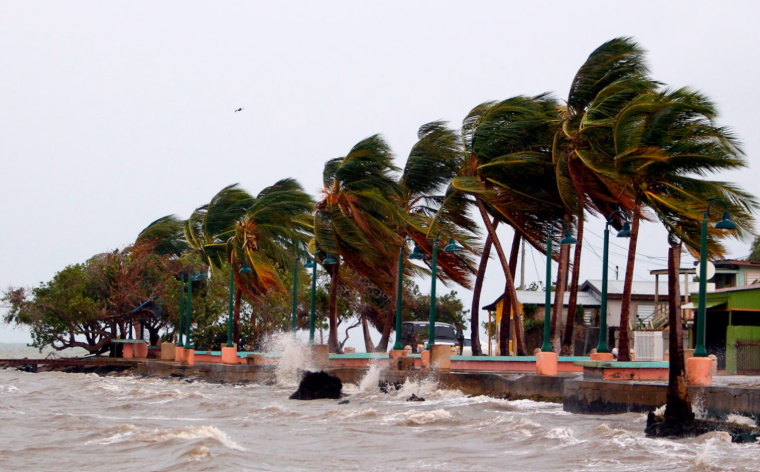
A hurricane is an intense tropical cyclone that forms over warm ocean waters, characterized by a rotating system of clouds and thunderstorms organized around a central area of low pressure, with sustained winds reaching at least 74 miles per hour. These powerful storms develop in specific ocean basins around the world during particular seasons, drawing their immense energy from the warm surface waters of tropical and subtropical oceans. While the term hurricane technically applies only to storms forming in the Atlantic and eastern Pacific basins, similar storms occurring in other parts of the world are known by different regional names despite sharing the same fundamental characteristics.
The classification of hurricanes serves several important purposes, helping meteorologists communicate the potential severity of an approaching storm, allowing emergency managers to plan appropriate responses, and providing the public with a clear framework for understanding the risks associated with a particular storm. The most widely recognized classification system in the United States is the Saffir-Simpson Hurricane Wind Scale, which categorizes hurricanes into five categories based primarily on sustained wind speed, with each category associated with a general description of the potential damage that winds of that intensity could cause.
Beyond the basic categorization by intensity, hurricanes can also be classified according to the specific ocean basin in which they form, as different regions of the world experience these storms during different seasons and with different naming conventions despite the fundamentally similar physical processes involved. Additionally, hurricanes can be distinguished by particular structural characteristics or behaviors that distinguish certain storms from typical examples, including unusual formation processes, structural transformations that occur as storms move into different environments, or specific hazard profiles that make certain storms particularly dangerous regardless of their wind speed classification.
Understanding the different types and classifications of hurricanes is essential not only for meteorologists and emergency planners but for anyone living in or visiting regions where these storms occur, as the specific characteristics of an approaching storm can dramatically affect the appropriate preparation and response. The following overview explores the categories of the Saffir-Simpson scale, the regional names used for tropical cyclones around the world, and several special types and structural variations that hurricanes can exhibit.
Category 1 Hurricane
A Category 1 hurricane has sustained winds ranging from 74 to 95 miles per hour, representing the lowest intensity classification on the Saffir-Simpson scale while still capable of causing significant damage, particularly to unanchored mobile homes, trees, and power lines. These storms can produce extensive power outages.
While Category 1 hurricanes are sometimes perceived as relatively minor compared to higher categories, they can still pose serious risks, particularly through storm surge and heavy rainfall that may cause flooding regardless of the storm’s wind speed classification. Well-constructed buildings typically experience minimal structural damage from a Category 1 hurricane, though damage to roofing, siding, and landscaping is common.
Category 2 Hurricane
A Category 2 hurricane has sustained winds ranging from 96 to 110 miles per hour, representing a significant increase in destructive potential compared to Category 1 storms, with the likelihood of extensive damage to roofs and siding on well-built homes. Near-total power loss is expected, potentially lasting from several days to weeks.
The increased wind speeds of a Category 2 hurricane can cause significant damage to poorly constructed signs and fences, while well-constructed framed homes may sustain major roof and siding damage. Large trees are likely to be snapped or uprooted, blocking numerous roads and complicating recovery efforts in the storm’s aftermath.
Category 3 Hurricane
A Category 3 hurricane has sustained winds ranging from 111 to 129 miles per hour and is classified as a major hurricane, the threshold at which storms become capable of causing devastating damage. Well-built framed homes may sustain major damage or removal of roof decking and gable ends.
At this intensity, electricity and water are typically unavailable for several days to weeks after the storm passes, as the widespread damage to infrastructure takes considerable time to repair. Many trees will be snapped or uprooted, blocking numerous roads, and the increased storm surge associated with major hurricanes poses significant additional risk to coastal areas.
Category 4 Hurricane
A Category 4 hurricane has sustained winds ranging from 130 to 156 miles per hour, representing a catastrophic level of intensity at which well-built framed homes can sustain severe damage with loss of most of the roof structure and exterior walls. These storms cause extreme destruction.
Most trees will be snapped or uprooted, and power poles will be downed, isolating residential areas due to fallen trees and power lines, with power outages lasting weeks to possibly months in the most severely affected areas. Most of the affected area will be uninhabitable for an extended period following landfall of a Category 4 hurricane.
Category 5 Hurricane
A Category 5 hurricane has sustained winds of 157 miles per hour or higher, representing the most extreme classification on the Saffir-Simpson scale and a level of intensity capable of producing catastrophic damage. A high percentage of framed homes will be destroyed, with total roof failure and wall collapse.
At this intensity, fallen trees and power poles will isolate residential areas, and power outages will last for weeks to possibly months, with most of the affected area uninhabitable for an extended period. Category 5 hurricanes are relatively rare but represent the most dangerous storms that can occur, with historical examples having caused some of the most devastating natural disasters on record.
Typhoons
A typhoon is the regional name used for tropical cyclones that form in the western Pacific Ocean, sharing the same fundamental characteristics as Atlantic hurricanes but occurring within a different ocean basin that experiences its own distinct seasonal patterns and storm tracks. The western Pacific experiences more tropical cyclone activity than any other ocean basin in the world.
Typhoons can affect a wide range of countries throughout East and Southeast Asia, including the Philippines, Japan, China, Taiwan, and Vietnam, with the specific areas affected depending on the storm’s track across the basin. The western Pacific basin produces some of the most intense tropical cyclones recorded anywhere in the world, partly due to the vast expanse of warm water available to fuel storm development.
Cyclones
A cyclone is the regional name used for tropical cyclones that form in the Indian Ocean and the South Pacific Ocean, encompassing storms that affect countries including India, Bangladesh, Australia, and various island nations throughout these regions. The term cyclone in this context refers specifically to tropical systems rather than the broader meteorological use of the term.
Cyclones affecting the Bay of Bengal and Arabian Sea can have particularly devastating impacts on densely populated coastal areas of South Asia, where storm surge flooding has historically caused some of the deadliest natural disasters in recorded history. Cyclones in the Southern Hemisphere, including those affecting Australia and nearby regions, occur during the opposite season from their Northern Hemisphere counterparts due to the reversed seasonal cycle.
Tropical Depression
A tropical depression represents the earliest organized stage of tropical cyclone development, characterized by a closed circulation of winds around a center of low pressure with maximum sustained winds of 38 miles per hour or less. This stage represents the foundation from which stronger tropical cyclones may develop.
While tropical depressions themselves are not typically associated with the severe wind hazards of more intense tropical cyclones, they can still produce significant rainfall and localized flooding, particularly if they move slowly or stall over a populated area. Many tropical depressions never intensify further and dissipate without becoming named storms, while others continue to strengthen into tropical storms and potentially hurricanes.
Subtropical Storm
A subtropical storm is a tropical cyclone-like system that displays characteristics of both tropical and non-tropical low-pressure systems, typically forming at higher latitudes than purely tropical systems and often developing a less symmetric structure with a broader wind field. These storms occupy a transitional category between fully tropical and fully extratropical systems.
Subtropical storms can sometimes transition into fully tropical systems if they move into an environment more favorable for tropical development, or they may instead transition toward a more typical extratropical structure as they move poleward. The hybrid nature of subtropical storms can make them somewhat more challenging to forecast than purely tropical or purely extratropical systems.
Extratropical Transition
Extratropical transition refers to the process by which a tropical cyclone, as it moves toward higher latitudes and encounters cooler waters and different atmospheric conditions, gradually loses its tropical characteristics and transforms into an extratropical storm system more typical of mid-latitude weather patterns. This transformation can occur over a period of one to several days.
During extratropical transition, a storm’s structure typically changes significantly, often expanding in size while becoming less symmetric, and the storm may actually intensify in terms of wind speed even as it loses its tropical characteristics, posing forecasting challenges. Several historically significant storms have caused major impacts specifically during or after undergoing extratropical transition, sometimes catching forecasters and the public off guard due to the storm’s changing nature.
Rapid Intensification
Rapid intensification refers to a specific phenomenon in which a tropical cyclone’s maximum sustained winds increase by at least 35 miles per hour within a 24-hour period, representing one of the most challenging aspects of hurricane forecasting. Storms undergoing rapid intensification can transform from relatively minor threats into major hurricanes in a remarkably short time.
This phenomenon typically occurs when a storm moves into an environment with particularly favorable conditions, including very warm ocean temperatures, low wind shear, and high atmospheric moisture content, allowing the storm’s internal structure to organize and strengthen rapidly. Rapid intensification has become an increasingly important focus of hurricane research, as storms that undergo this process shortly before landfall can leave coastal communities with little time to prepare for a much stronger storm than initially forecast.
Annular Hurricanes
An annular hurricane is a structurally distinct type of hurricane characterized by a large, symmetric eye surrounded by a thick, uniform ring of intense thunderstorms, lacking the spiral rain bands typically seen extending outward from more conventional hurricanes. This distinctive ring-like or donut-shaped structure gives annular hurricanes their name.
These storms tend to maintain their intensity for longer periods than conventional hurricanes, as their symmetric structure makes them somewhat more resistant to the factors that typically cause hurricanes to weaken, such as wind shear or the intrusion of drier air. Annular hurricanes can sometimes surprise forecasters by maintaining major hurricane intensity for longer than would be expected based on typical intensity decay patterns.
Major Hurricanes
A major hurricane refers to any tropical cyclone that has reached Category 3 intensity or higher on the Saffir-Simpson scale, representing the threshold at which storms become capable of causing the most severe and widespread damage. This classification groups together Categories 3, 4, and 5 as storms warranting the highest level of concern.
While major hurricanes represent a relatively small proportion of all tropical cyclones that form in any given season, they are responsible for a disproportionate share of the damage and loss of life associated with tropical cyclones overall. The distinction of major hurricane status is used by forecasters and emergency managers to communicate when a storm has reached a level of intensity that demands the most serious preparation and response efforts from affected communities.