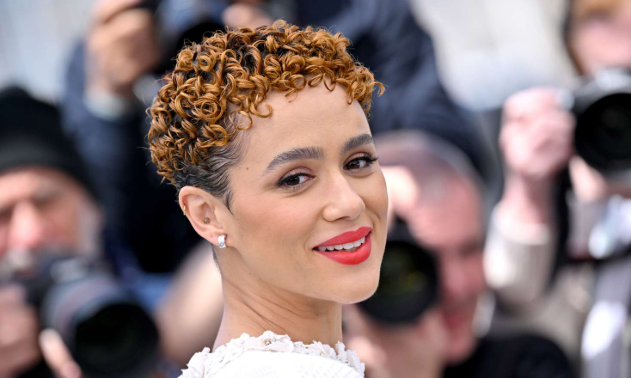
Hair curls are natural or artificially created patterns that give hair its distinctive shape, texture, and movement. Curl patterns range from loose, flowing waves to tightly coiled spirals, with each type possessing unique characteristics and styling needs. The shape of a person’s hair follicle largely determines whether hair grows straight, wavy, curly, or coily. Curly hair has been celebrated across cultures for its versatility, volume, and ability to create countless hairstyles, making it one of the most expressive hair textures.
Hair professionals commonly classify curl patterns using the Andre Walker Hair Typing System, which divides hair into four main categories: straight (Type 1), wavy (Type 2), curly (Type 3), and coily or kinky (Type 4). Within these categories are several subtypes that describe the size, tightness, and definition of the curl. Beyond this system, hairstylists also describe curls using terms such as spiral, corkscrew, ringlet, zigzag, and finger coil to better identify specific textures and styling techniques.
Curly hair requires specialized care because its twists and bends make it more prone to dryness, tangling, and frizz than straight hair. Moisturizing shampoos, rich conditioners, leave-in treatments, curl creams, and oils help maintain healthy, defined curls. Protective hairstyles, satin pillowcases, and minimal heat styling also help preserve curl integrity while reducing breakage and split ends.
Whether naturally inherited or created with styling tools, hair curls offer remarkable versatility. Loose waves provide a soft, casual appearance, while tighter coils create dramatic volume and texture. Understanding different curl types helps individuals choose suitable hair products, styling methods, and maintenance routines to keep their curls healthy, defined, and beautiful.
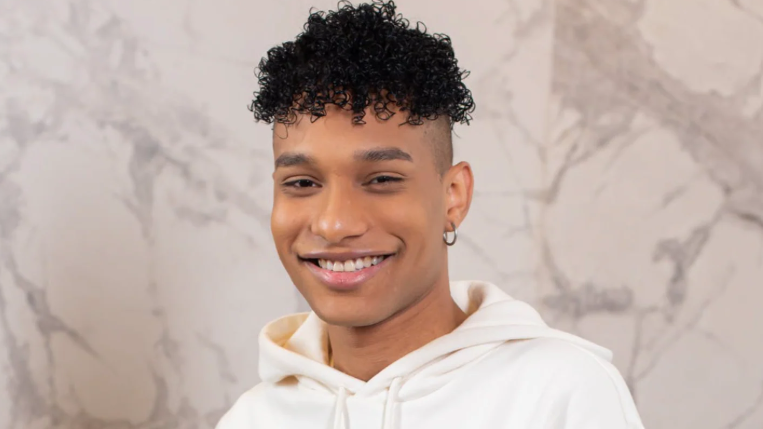
Curly Hair Types
1. Type 2A Waves
Type 2A waves are the loosest form of naturally wavy hair in the Andre Walker Hair Typing System, which was introduced in the United States by celebrity hairstylist Andre Walker during the 1990s. This hair type features soft, subtle “S”-shaped waves that begin around the mid-lengths rather than at the roots. The hair is generally fine to medium in texture, lightweight, and relatively easy to straighten or curl further. Type 2A hair benefits from lightweight volumizing products that enhance natural movement without weighing the waves down.
2. Type 2B Waves
Type 2B waves were also classified through the Andre Walker Hair Typing System developed in the United States. This curl pattern has more defined “S”-shaped waves that begin closer to the scalp and create noticeable body throughout the hair. Type 2B hair is more susceptible to frizz than 2A and often responds well to curl-enhancing creams, lightweight mousses, and anti-frizz serums. It offers a naturally beachy appearance that requires minimal styling.
3. Type 2C Waves
Type 2C waves represent the most textured form of wavy hair in the Andre Walker classification system. They feature strong, well-defined waves with occasional loose ringlets, particularly near the ends of the hair. The strands are usually thick, coarse, and naturally voluminous. Because Type 2C hair borders on curly hair, it benefits from moisturizing products and diffusers that help maintain curl definition while reducing frizz.
4. Type 3A Curls
Type 3A curls are characterized by large, loose spiral curls approximately the size of sidewalk chalk. Classified through the Andre Walker Hair Typing System, these curls possess excellent bounce, shine, and elasticity. Type 3A hair is generally soft and easy to style but requires regular hydration to prevent dryness and frizz. Lightweight curl creams and leave-in conditioners help maintain smooth, well-defined spirals while preserving natural movement.
5. Type 3B Curls
Type 3B curls form tighter, springier ringlets roughly the size of a permanent marker. Introduced as part of the Andre Walker Hair Typing System in the United States, this curl type creates abundant volume and definition throughout the hair. Type 3B curls tend to shrink noticeably when dry and require moisturizing products to maintain softness. They are highly versatile and suitable for wash-and-go styles, twist-outs, and protective hairstyles.
6. Type 3C Curls
Type 3C curls consist of tightly packed corkscrew curls about the circumference of a pencil or drinking straw. This subtype was later added to the Andre Walker system as awareness of diverse curl patterns increased. Type 3C hair combines remarkable density with significant shrinkage and requires deep conditioning treatments to retain moisture. Curl-defining gels, creams, and leave-in conditioners help reduce frizz while enhancing the naturally tight spiral pattern.
7. Type 4A Coils
Type 4A coils are the loosest category of coily hair within the Andre Walker Hair Typing System. This hair type features densely packed “S”-shaped coils that are highly defined yet tightly curled. Although Type 4A hair retains visible curl definition, it is more delicate and prone to dryness than Type 3 curls because natural scalp oils have difficulty traveling along the tightly coiled strands. Regular deep conditioning, protective styling, and moisturizing products are essential for maintaining healthy, elastic coils.
8. Type 4B Coils
Type 4B coils are a category in the Andre Walker Hair Typing System, developed in the United States. Unlike Type 4A, these coils have a less defined “S” pattern and instead form sharp “Z”-shaped bends that create a fluffy, cotton-like appearance. Type 4B hair experiences significant shrinkage—often appearing much shorter than its actual length—and is naturally delicate. Regular moisturizing, deep conditioning, and protective styles such as twists and braids help reduce breakage while maintaining softness and elasticity.
9. Type 4C Coils
Type 4C coils are the tightest curl pattern in the Andre Walker Hair Typing System and have become one of the most recognized natural hair textures worldwide. The strands form extremely tight coils with minimal visible curl definition and can shrink by up to 75% of their true length. Despite their delicate nature, Type 4C curls are remarkably versatile and can be styled into afros, twist-outs, braids, bantu knots, and numerous protective hairstyles. Consistent hydration and gentle handling are essential for maintaining healthy hair.
10. Ringlet Curls
Ringlet curls are uniform, spring-like spirals that naturally resemble small loops or corkscrews. This curl style has been admired for centuries and became particularly fashionable in Europe during the Victorian era, when women often created ringlets using heated curling irons and fabric rollers. Natural ringlets are soft, bouncy, and highly defined, while styled ringlets can add elegance to formal hairstyles. Regular moisturizing products help preserve their shape and reduce frizz.
11. Corkscrew Curls
Corkscrew curls are tight, cylindrical spirals that closely resemble the shape of a corkscrew. They occur naturally in many Type 3C and Type 4A hair textures but can also be created with narrow-barrel curling irons. This curl pattern creates exceptional volume and movement while maintaining excellent curl definition. Because corkscrew curls can become dry, they benefit from leave-in conditioners, curl creams, and lightweight oils that enhance shine and elasticity.
12. Spiral Curls
Spiral curls are well-defined curls that wrap around themselves in long, continuous coils from the roots to the ends of the hair. This timeless curl pattern became especially popular through professional salon styling in Europe and North America during the late 20th century. Spiral curls can be naturally occurring or created using spiral perm rods or curling wands. Their smooth, flowing appearance makes them a favorite choice for weddings, special occasions, and glamorous hairstyles.
13. Finger Coils
Finger coils originated within African hairstyling traditions and remain one of the most popular methods for defining natural curls. Individual sections of damp hair are wrapped around a finger or small styling tool until they form neat, uniform coils. Once dry, finger coils create long-lasting definition while minimizing frizz. This styling technique is particularly effective for Type 3 and Type 4 hair and can last for several days with proper maintenance.
14. Pin Curls
Pin curls were developed in France during the early 20th century before becoming a defining hairstyle of Hollywood’s Golden Age in the United States. They are created by winding small sections of damp hair into flat circular loops that are secured against the scalp using hairpins or clips. After drying, the curls produce soft, elegant waves or tighter curls depending on the size of each section. Pin curls remain a favorite heat-free styling method because they create long-lasting curls while minimizing damage caused by hot styling tools.
15. Barrel Curls
Barrel curls are large, loose curls that create soft volume and elegant movement rather than tight definition. They became especially popular in North America and Europe through professional salon styling and Hollywood fashion during the mid-20th century. Barrel curls are typically created using large-barrel curling irons, hot rollers, or blow-drying brushes. Their relaxed appearance makes them a favorite for weddings, formal events, and everyday hairstyles that require body without excessive curl tightness.
16. Beach Waves
Beach waves originated as a hairstyling trend inspired by the naturally tousled hair of surfers along the California coast, United States. Rather than forming uniform curls, beach waves create loose, textured bends that give hair a relaxed, windswept appearance. This versatile style can be achieved naturally with sea salt sprays or created using curling wands, flat irons, or braiding techniques. Beach waves suit nearly every hair length and remain one of the most requested salon hairstyles worldwide.
17. S-Waves
S-waves are characterized by smooth, continuous “S”-shaped bends that flow naturally through the hair. This classic wave pattern gained popularity in Europe during the 1920s, particularly through finger-wave styling associated with the Art Deco era. Modern S-waves offer a softer, more natural version that adds movement and elegance without creating full curls. They work well on medium to long hair and are commonly seen in fashion shows and red-carpet hairstyles.
18. Finger Waves
Finger waves originated in France before becoming one of the defining hairstyles of the 1920s and 1930s in the United States. Hairstylists create this elegant pattern by shaping damp hair into alternating wave ridges using fingers, a comb, and styling gel. The result is a sleek, sculpted hairstyle that lies close to the scalp and exudes vintage sophistication. Finger waves remain popular for formal occasions, theatrical performances, and retro-inspired fashion.
19. Marcel Waves
Marcel waves were invented in France by renowned hairstylist Marcel Grateau in 1872. The technique uses a heated Marcel curling iron to create smooth, uniform waves that became synonymous with glamorous hairstyles during the late 19th and early 20th centuries. Although modern styling tools have largely replaced traditional Marcel irons, the classic wave pattern remains highly influential in professional hairstyling and vintage fashion.
20. Crimped Hair
Crimped hair became a major fashion trend during the 1980s in the United States and Europe. It is created using heated crimping irons that form small, zigzag-shaped waves along the length of the hair. The resulting texture adds dramatic volume and a distinctive geometric appearance. Although crimping declined after the 1990s, it has experienced periodic revivals in contemporary fashion, particularly on runways and among younger generations experimenting with retro hairstyles.
21. Perm Curls
Perm curls, short for permanent curls, were developed in Germany by hairstylist Karl Nessler, who introduced the first practical permanent waving machine in 1906. Modern perms use chemical solutions to restructure the hair’s internal bonds before setting it around rods of various sizes to create long-lasting curls. Depending on the rod size and technique, perms can produce loose waves, spiral curls, or tight ringlets that last for several months. Advances in perm technology have made the process gentler on the hair while offering a wide variety of curl styles.
22. Waterfall Curls
Waterfall curls are soft, cascading curls that flow naturally from the mid-lengths to the ends of the hair, creating the appearance of a gentle waterfall. This hairstyle gained popularity in North America and Europe through professional salons and bridal hairstyling during the early 21st century. Waterfall curls are usually created with large-barrel curling irons or rollers to produce smooth, loose spirals with plenty of movement. They are especially favored for weddings, proms, and formal occasions because they provide an elegant, romantic finish while maintaining a natural appearance.
23. Ribbon Curls
Ribbon curls are long, smooth curls that resemble curled ribbons, with each curl maintaining a consistent spiral from root to tip. This styling technique originated in European salon hairstyling before becoming widely adopted by professional stylists around the world. Ribbon curls are typically created using flat irons or curling wands by twisting sections of hair as they are heated. The result is polished, glossy curls that are commonly used in fashion photography, pageants, and special events.
24. Hollywood Curls
Hollywood curls originated in the United States during the Golden Age of Hollywood in the 1930s and 1940s. Worn by iconic actresses such as Rita Hayworth, Veronica Lake, and Marilyn Monroe, this hairstyle features large, glamorous curls brushed into smooth, flowing waves with exceptional shine. Today, Hollywood curls remain one of the most requested formal hairstyles for red-carpet events, weddings, and evening occasions because they combine timeless elegance with luxurious volume.
25. Wand Curls
Wand curls became popular in Europe and North America following the introduction of modern curling wands in the early 2000s. Unlike traditional curling irons, curling wands lack a clamp, allowing hair to wrap freely around the heated barrel. This produces natural-looking curls with a relaxed, modern appearance and minimal creasing. Depending on the barrel size, wand curls can range from loose beachy waves to tight spirals, making them one of today’s most versatile styling options.
26. Roller Curls
Roller curls have been a hairstyling staple since the early 20th century in Europe and the United States. Hair is wrapped around foam, plastic, Velcro, heated, or steam rollers and allowed to cool or dry before removal. Different roller sizes create different curl patterns, from soft waves to tight curls. Roller curls are valued because they add long-lasting body and volume while generally exposing the hair to less direct heat than curling irons.
27. Bantu Knot-Out Curls
Bantu knot-out curls originated from the traditional Bantu peoples of Southern Africa, where Bantu knots have been worn for centuries as both a cultural and practical hairstyle. To achieve a knot-out, sections of hair are twisted into small knots and left to set before being unraveled. The result is a head full of defined, springy curls with excellent volume and minimal heat damage. This technique is particularly popular among individuals with naturally curly and coily hair as a protective styling method.
28. Twist-Out Curls
Twist-out curls originated within African and African American natural hair communities as a heat-free technique for enhancing curl definition. Damp hair is divided into sections and twisted into two-strand twists before being allowed to dry completely. Once unraveled, the twists reveal soft, elongated curls with excellent definition and reduced frizz. Twist-outs are especially popular for Type 3 and Type 4 hair because they help stretch the hair, minimize shrinkage, and create long-lasting, voluminous curls without the use of heat.