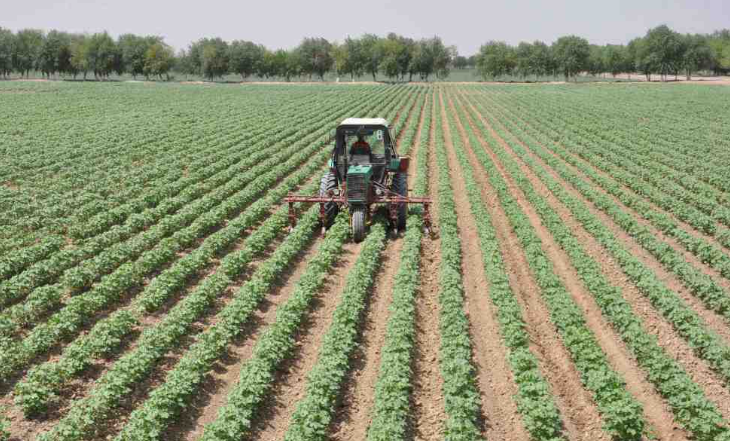
Land use refers to the way humans manage and modify natural environments for various purposes, from growing food and building cities to conserving wildlife and extracting resources. Across the globe, approximately 71% of the Earth’s ice-free land surface has been altered by human activity, reflecting the immense scale at which societies have reshaped the natural world. The way land is used has profound implications for ecosystems, economies, food security, and climate stability.
Globally, agricultural land accounts for roughly 50% of all habitable land, making it the dominant form of land use on Earth. Urban areas, despite housing more than 55% of the world’s population, occupy less than 1% of the planet’s total land area. Meanwhile, forests cover about 31% of the Earth’s land surface, serving as critical carbon sinks, biodiversity reserves, and water regulators. These statistics underscore a fundamental tension in land use planning: how to meet human needs without degrading the natural systems that sustain all life.
Land use is not static — it shifts with population growth, technological change, economic development, and policy decisions. Over the past century, millions of hectares of forest and grassland have been converted to farmland and urban sprawl, while conservation movements have simultaneously pushed for the protection of natural areas. Understanding the distinct categories of land use is essential for planners, policymakers, farmers, and communities seeking to balance development with environmental stewardship.
Agricultural Land
Agricultural land is the most widespread form of land use globally, encompassing croplands, pastures, and mixed farming systems. It feeds the world’s 8 billion people but is also responsible for around 70% of freshwater withdrawals and approximately 80% of global deforestation. Cropland is used for growing cereals, vegetables, fruits, and industrial crops, while pastureland supports livestock grazing across vast open ranges.
Forest Land
Forest land includes both natural forests and managed timber plantations, covering roughly 4 billion hectares worldwide. These areas provide timber, fuelwood, and non-timber forest products while also performing critical ecological services such as carbon sequestration, rainfall regulation, and habitat provision. Managed forests are harvested for commercial use, while protected forests are conserved for biodiversity and climate benefits.
Urban and Built-Up Land
Urban land encompasses residential neighborhoods, commercial districts, industrial zones, transportation networks, and public infrastructure. Though it represents a small fraction of total land area, urban land use is growing rapidly — the global urban population is expected to reach 68% by 2050, driving continued expansion of cities and towns. Urban planning decisions directly shape quality of life, energy consumption, and environmental impact.
Rangeland and Grassland
Rangelands and grasslands cover approximately 26% of the world’s land surface and are primarily used for livestock grazing. These landscapes include savannas, steppes, prairies, and shrublands, many of which also support extraordinary biodiversity. Sustainable rangeland management is critical for preventing soil degradation, desertification, and the loss of native grass species.
Industrial Land
Industrial land is designated for manufacturing plants, processing facilities, warehouses, energy installations, and mining operations. It tends to be concentrated near transport corridors and urban fringes and often carries significant environmental risks, including soil contamination, air pollution, and water runoff. Proper zoning and environmental regulations are essential to managing the impacts of industrial land use.
Recreational Land
Recreational land includes parks, sports fields, golf courses, nature reserves open to the public, and tourist destinations. Green recreational spaces within cities — such as urban parks and greenways — are valued for mental health benefits, physical activity, and urban cooling effects. On a larger scale, national parks and protected wilderness areas attract millions of visitors annually while conserving natural heritage.
Transportation Land
Transportation land covers roads, highways, railways, airports, ports, and pipelines. While occupying a relatively modest share of total land, transportation infrastructure has an outsized influence on land use patterns, driving urban expansion, enabling agricultural trade, and fragmenting wildlife habitats. Road networks alone span over 64 million kilometers globally, cutting through forests, wetlands, and farmlands alike.
Conservation and Protected Land
Conservation land refers to areas set aside specifically to protect biodiversity, ecosystems, and natural heritage. As of recent estimates, approximately 17% of the world’s terrestrial area is under some form of protection, though the quality and enforcement of that protection varies widely. National parks, wildlife reserves, marine protected areas, and UNESCO World Heritage Sites all fall under this broad category.
Wetlands
Wetlands — including marshes, swamps, bogs, and floodplains — occupy an estimated 6% of the Earth’s land surface and are among the most ecologically productive ecosystems on the planet. They act as natural flood buffers, water filtration systems, and carbon storage zones, yet more than 35% of the world’s wetlands have been lost since 1970 due to drainage, agriculture, and urban development.
Mining and Extractive Land
Mining land is used for the extraction of minerals, metals, fossil fuels, sand, and gravel. Open-pit mines, quarries, and drilling sites can dramatically alter landscapes, displace communities, and introduce heavy metal contamination into soil and water systems. Rehabilitation of post-mining land is a growing focus in sustainable resource management, with some sites successfully converted into wetlands, forests, or recreational areas after extraction ends.