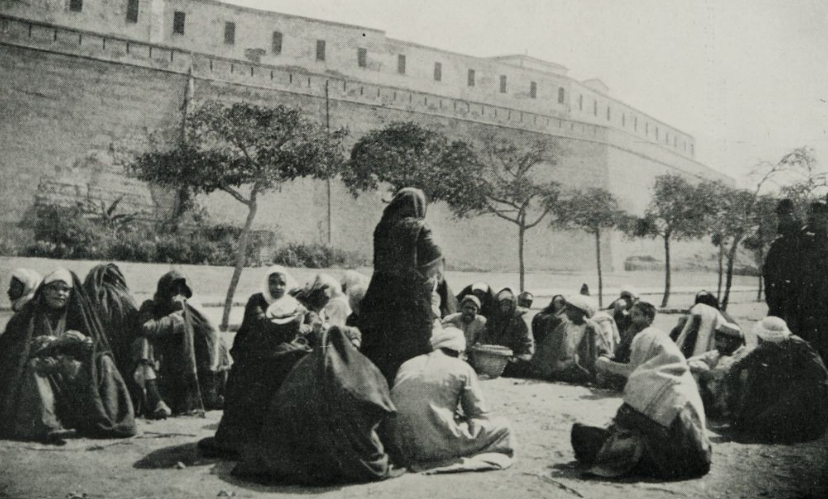
Oral narratives are among the oldest and most enduring forms of human communication, predating written language by thousands of years. Long before the first symbols were etched into clay or scratched onto papyrus, communities around the world were preserving their histories, values, beliefs, and identities through the spoken word. These living traditions passed from generation to generation through the voices of storytellers, elders, griots, bards, and ordinary people gathered around fires, in village squares, and in family homes. Oral narratives were not merely entertainment — they were the libraries, legal codes, moral compasses, and spiritual texts of entire civilizations.
The power of oral narrative lies in its immediacy and intimacy. Unlike written text, a spoken story breathes and shifts with its audience. A skilled narrator reads the room, adjusts the pace, adds emphasis, uses silence, and transforms a familiar tale into a fresh and moving experience every time it is told. This dynamic quality means that oral traditions are not static artifacts but living, evolving expressions of culture. They carry within them the accumulated wisdom of communities, encoding lessons about survival, relationships, the natural world, and the cosmos in forms that are memorable, emotionally resonant, and easily transmitted.
Scholars of folklore, anthropology, and linguistics have long recognized oral narratives as a vital field of study, offering insights into the worldviews, social structures, and historical experiences of peoples across time and geography. From the epic poems of ancient Greece to the trickster tales of West Africa, from the Dreamtime stories of Aboriginal Australians to the cante fables of medieval Europe, oral traditions reflect an astonishing diversity of human imagination and experience. Despite the spread of literacy and digital media, oral narrative traditions remain vibrantly alive in many parts of the world, and their influence on written literature, film, and popular culture continues to be profound.
Myths
Myths are sacred narratives that explain the origins of the world, humanity, natural phenomena, and the divine order. They occupy a central place in the cosmologies of cultures worldwide, functioning not simply as stories but as foundational truths that define a community’s relationship with the universe. Myths typically feature gods, supernatural beings, and primordial ancestors engaged in acts of creation, destruction, love, and conflict. The ancient Greek myths of Zeus and the Olympians, the Norse creation accounts involving Odin and the World Tree Yggdrasil, and the Yoruba stories of Ogun and Oshun are all examples of how myths weave together theology, cosmology, and human experience into a single narrative fabric.
Legends
Legends are narratives rooted in historical or semi-historical events and figures, told as though they reflect real occurrences even when they incorporate extraordinary or supernatural elements. Unlike myths, which are typically set in a timeless primordial past, legends are anchored in a more recognizable human world and often concern specific places, peoples, or periods. The tales of King Arthur and his knights, the legend of Robin Hood, and accounts of the warrior queen Njinga of Angola all blend verifiable history with embellishment, heroism, and moral meaning. Legends serve to glorify cultural heroes, explain place names and landmarks, and reinforce communal identity by linking the present to a storied past.
Folktales
Folktales are fictional narratives passed down through oral tradition that entertain while imparting moral lessons, social values, or practical wisdom. They are typically set in an unspecified time and place — “once upon a time, in a land far away” — and feature archetypal characters such as the clever trickster, the kind-hearted youngest sibling, the wicked stepmother, and the wise elder. Folktales are among the most widely distributed narrative forms in the world, with many stories sharing remarkable structural similarities across cultures that had little or no contact with one another. Cinderella-type stories, for example, have been documented in hundreds of versions from Europe, Asia, Africa, and the Americas, suggesting deep universal patterns in human storytelling.
Fables
Fables are short, didactic narratives in which animals or inanimate objects are given human qualities and used to illustrate a specific moral truth. The tradition of the fable is ancient and widespread, most famously associated in the Western tradition with Aesop, the Greek storyteller whose tales of the tortoise and the hare, the fox and the grapes, and the lion and the mouse have remained in circulation for over two millennia. Similar traditions exist in India through the Panchatantra, in West Africa through Anansi spider stories, and in many Indigenous American traditions. The brevity and clarity of the fable make it an ideal teaching tool, and many fables continue to shape proverbs and common expressions in languages around the world.
Epic Poetry
Epic poetry represents one of the grandest forms of oral narrative — long, formal compositions recounting the deeds of heroic figures against the backdrop of war, adventure, and the struggle between mortals and divine forces. Epics were originally composed and performed orally by specialized poets known as bards or griots, who memorized vast quantities of verse and delivered them with musical accompaniment before live audiences. The Iliad and the Odyssey, attributed to Homer, the Mahabharata and Ramayana of ancient India, the Epic of Gilgamesh from Mesopotamia, and the Sundiata epic of West Africa are among the most celebrated examples of this form. Epics preserve cultural memory on an enormous scale, encoding not just stories but geography, genealogy, religious belief, and social custom within their verses.
Trickster Tales
Trickster tales center on a cunning, mischievous, and morally ambiguous figure who uses wit, deception, and humor to subvert social norms, outsmart more powerful adversaries, and navigate an unpredictable world. The trickster is one of the most universal figures in oral narrative traditions, appearing as Anansi the spider in West African and Caribbean traditions, Coyote among many Native American peoples, Loki in Norse mythology, Hermes in ancient Greece, and Br’er Rabbit in African American folklore. Trickster tales often carry deep social commentary, using laughter and irreverence to challenge authority, expose hypocrisy, and affirm the power of intelligence over brute force. They provide communities with a safe narrative space to question rules and imagine alternative ways of being.
Creation Stories
Creation stories, sometimes categorized within myth, merit separate consideration as a distinct narrative type concerned specifically with the origins of the world, life, and humanity. Every known culture has produced some form of creation narrative, and these stories reveal fundamental assumptions about the nature of existence, the relationship between humans and the divine, and humanity’s place in the natural order. Creation stories range from the cosmic to the intimate — from accounts of gods shaping the earth out of primordial chaos to stories of a great turtle carrying the world on its back, or a raven discovering the first humans hidden inside a clamshell. These narratives are rarely purely descriptive; they are prescriptive, establishing values, responsibilities, and relationships that communities are expected to honor.
Historical Narratives and Praise Poetry
Many oral traditions include forms of narrative specifically designed to preserve and transmit historical memory. Among these are praise poetry traditions such as the izibongo of the Zulu people in southern Africa and the griot traditions of West Africa, in which specialist oral historians memorize and recite the genealogies, achievements, and moral qualities of rulers, warriors, and ancestors. These traditions function as living archives, maintaining detailed records of political history, family lineages, and significant events across generations. Historical oral narratives are not passive recordings; they are interpretive acts that select, emphasize, and frame the past in ways that speak to the needs and values of the present community.
Ghost Stories and Supernatural Tales
Ghost stories and supernatural tales occupy a distinct corner of oral narrative tradition, dealing with encounters between the living and the dead, the human and the uncanny, the familiar world and forces that lie beyond ordinary comprehension. These stories serve multiple functions: they reinforce social boundaries by illustrating the consequences of transgression, they provide a narrative framework for processing grief and the fear of death, and they maintain awareness of spiritual realities that communities consider genuine and important. From the ghost traditions of East Asia to the spirit narratives of the Caribbean and the banshee lore of Ireland, supernatural tales reveal how communities conceptualize the boundary between life and death and the obligations owed to ancestors and the spirit world.
Pourquoi Tales
Pourquoi tales — from the French word for “why” — are explanatory narratives that account for the characteristics of animals, plants, and natural phenomena in imaginative, story-based terms. Why does the leopard have spots? How did the elephant get its long trunk? Why does the sun set in the west? These questions are answered not through scientific reasoning but through narrative, typically involving a transformation, a punishment, a gift, or a primordial event that set the pattern for all time. Pourquoi tales are especially common in African, Native American, and Pacific Island oral traditions, and they reflect a deep human impulse to explain and find meaning in the natural world through the medium of story.