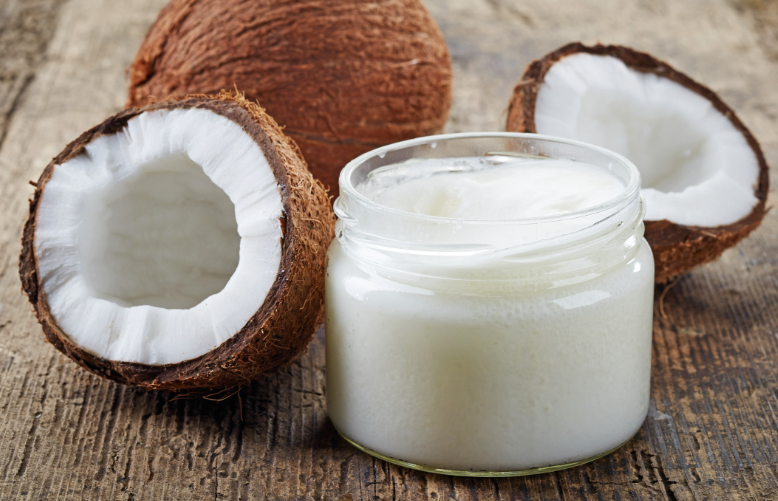
Coconut oil has become one of the most versatile and widely used cooking oils in kitchens around the world. Extracted from the meat of mature coconuts, it offers a unique combination of flavor, stability, and nutritional properties that set it apart from other edible oils. Its growing popularity has made it a staple in both traditional tropical cuisines and modern health-conscious cooking.
One of coconut oil’s most notable characteristics is its high saturated fat content, which gives it a remarkably high smoke point and exceptional stability at high temperatures. Unlike many vegetable oils, it resists oxidation during cooking, making it suitable for frying, sautéing, and baking. Its solid state at room temperature also makes it a popular substitute for butter or shortening in many recipes.
From a nutritional standpoint, coconut oil is rich in medium-chain triglycerides (MCTs), particularly lauric acid, which the body metabolizes differently from long-chain fatty acids. These MCTs are quickly converted to energy rather than stored as fat, which has drawn interest from fitness enthusiasts and those following ketogenic or paleo diets. However, health authorities continue to debate its overall cardiovascular impact due to its high saturated fat levels.
Beyond cooking, coconut oil plays a significant role in the food industry as an ingredient in processed foods, confectionery, and dairy alternatives. It is widely used in chocolate coatings, non-dairy creamers, and plant-based butter substitutes. Its long shelf life and neutral-to-pleasant flavor make it commercially attractive, and global demand continues to grow across both food and non-food sectors.
Types of Coconut Oil
Virgin Coconut Oil
Extracted from fresh coconut meat without the use of heat or chemicals, virgin coconut oil retains its natural aroma, flavor, and nutritional properties. It is considered the least processed form and is prized for its rich, tropical scent and high antioxidant content, making it the preferred choice for raw consumption and health-focused cooking.
Refined Coconut Oil
Produced from dried coconut meat (copra), refined coconut oil undergoes bleaching and deodorizing processes to remove impurities and neutralize its scent and flavor. The result is a neutral-tasting oil with a higher smoke point than virgin varieties, making it well-suited for high-heat cooking, frying, and commercial food production.
Extra Virgin Coconut Oil
Similar to virgin coconut oil but held to stricter quality and purity standards, extra virgin coconut oil is cold-pressed from fresh coconut meat under controlled conditions. It has a delicate flavor and aroma and is typically used in premium culinary applications, skincare, and health products where the highest quality is desired.
Fractionated Coconut Oil
This type has had its long-chain fatty acids removed through a process called fractionation, leaving behind a liquid oil rich in medium-chain triglycerides (MCTs). It remains liquid even at cold temperatures and has an extremely long shelf life, making it popular in sports nutrition, dietary supplements, and as a carrier oil in aromatherapy.
Organic Coconut Oil
Certified organic coconut oil is produced from coconuts grown without synthetic pesticides, fertilizers, or genetically modified inputs. It may be either virgin or refined, but the organic certification assures consumers of clean, chemical-free production practices, appealing to health-conscious buyers and the natural foods market.
Hydrogenated Coconut Oil
Through the addition of hydrogen under pressure, coconut oil is converted into a fully or partially solid form with an even higher melting point. Hydrogenated coconut oil is widely used in the food manufacturing industry for products like margarine, baked goods, and confectionery coatings, though it is less favored in health-conscious markets due to the formation of trans fats.
MCT Oil (Medium-Chain Triglyceride Oil)
Derived from coconut oil through further refinement, MCT oil isolates the medium-chain triglycerides — primarily caprylic and capric acids — and removes all other components. It is a clear, odorless, and flavorless liquid widely used in ketogenic diets, sports nutrition, and as a cognitive performance supplement due to its rapid absorption and energy conversion.