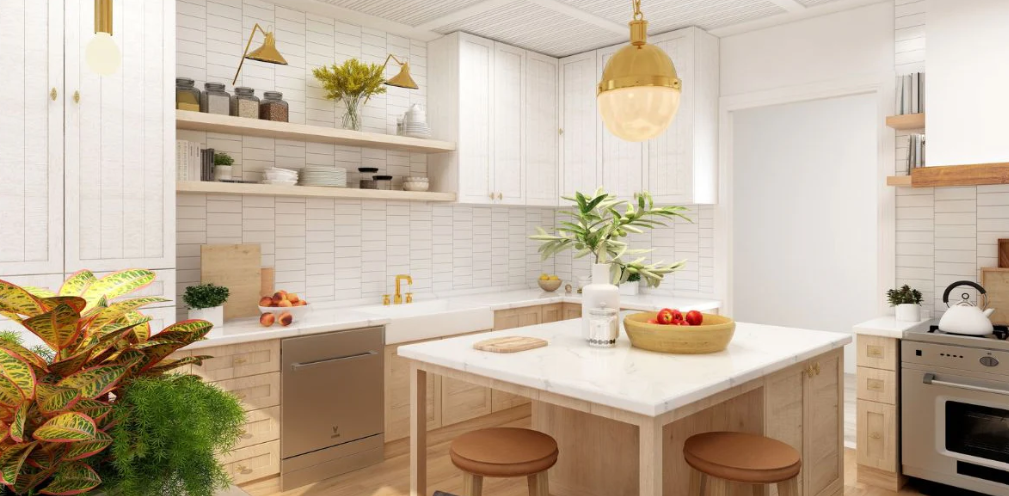
The kitchen holds a position of extraordinary importance in feng shui philosophy, regarded as the heart of the home and the primary source of nourishment, health, and family prosperity. In classical feng shui, the kitchen represents the fire element at its most practical and sustaining — it is where raw ingredients are transformed into food that feeds and strengthens the family, making it a direct symbol of the household’s capacity to generate abundance and maintain vitality. The stove in particular is treated as one of the three most important features in any home, alongside the front door and the master bed.
Ancient feng shui texts paid close attention to the kitchen because food preparation was understood as a fundamentally alchemical act — the combining of natural elements under the influence of fire to create nourishment that directly shapes the health, mood, and fortune of everyone who eats it. A kitchen with good feng shui supports the cook’s wellbeing and concentration, enhances the nourishing quality of the food prepared within it, and contributes to the overall prosperity and harmonious energy of the household. A kitchen with poor feng shui was believed to subtly but persistently undermine family health and financial stability.
The feng shui of the kitchen is shaped by its location within the home, the placement and condition of its major appliances, the organization and cleanliness of its surfaces and storage, its colors and materials, and the quality of light and ventilation it receives. Each of these factors influences how qi moves through the space and whether the kitchen radiates the warm, nourishing, generative energy it is meant to provide. Interestingly, many feng shui kitchen principles align closely with modern insights about hygiene, ergonomics, and the psychological relationship between kitchen environment and cooking behavior.
Understanding and applying feng shui principles to the kitchen does not require architectural changes or complete renovation. Many of the most powerful improvements involve adjustments to layout, organization, cleanliness, and the removal of specific items or configurations that block or disturb beneficial energy. Applied consistently, these principles transform the kitchen from a purely functional workspace into a genuinely nourishing environment that supports the health, happiness, and prosperity of everyone the household feeds.
Keep the Kitchen Clean and Clutter-Free
Cleanliness is the single most fundamental feng shui requirement for the kitchen, as a dirty or cluttered kitchen traps stagnant qi, introduces energies of decay and neglect into the space where food is prepared, and creates a persistent underlying disharmony that affects everything cooked within it. Grease buildup, unwashed dishes, overflowing bins, and cluttered countertops all obstruct the free flow of nourishing energy.
Stove Placement in the Commanding Position
The stove should ideally be positioned so that the cook faces the kitchen entrance while cooking, giving them visibility and a sense of control over the space — the same commanding position principle that governs bed placement in the bedroom. A cook who stands with their back to the door experiences a subconscious vulnerability that creates tension and unsettled energy in both the cook and the food being prepared.
Place a Mirror Behind the Stove
Where it is impossible to position the stove with a view of the door, placing a mirror or reflective surface behind the stove so that the cook can see the room’s entrance reflected while cooking is the classical feng shui remedy. This solution also symbolically doubles the burners and therefore the household’s capacity for wealth and abundance generation.
Keep the Stove in Good Working Order
Every burner on the stove should function properly and be used regularly, as non-functioning burners represent blocked potential and stagnant wealth energy in feng shui. A stove with broken or unused burners symbolizes the household’s inability to fully activate its capacity for prosperity and nourishment.
Avoid Positioning the Stove Beneath a Window
A stove placed directly under a window is considered energetically problematic in feng shui because the window allows the fire energy generated during cooking to escape outward rather than circulating beneficially through the home. The wealth and nourishing energy associated with the stove and the cooking process disperses before it can consolidate and benefit the household.
Separate the Stove and Sink
The stove represents fire and the sink represents water, and placing these two elements in direct opposition or immediately adjacent to each other creates an elemental clash that disrupts the kitchen’s energetic harmony. In the five-element system, water extinguishes fire, and this conflict manifests as tension, poor health, and financial instability when the two are positioned in direct confrontation.
Do Not Place the Stove Against a Wall Shared with a Bathroom
A stove positioned on a wall shared with a toilet or bathroom on the other side is considered seriously inauspicious in feng shui, as the draining, waste-associated energy of the bathroom penetrates through the shared wall and contaminates the nourishing, life-giving energy of the cooking space. This configuration is believed to undermine family health and the quality of nourishment generated in the kitchen.
Keep the Refrigerator Full
A well-stocked refrigerator is a powerful feng shui symbol of abundance, prosperity, and the household’s capacity to provide for itself and its members. An empty or near-empty refrigerator signals scarcity energy and sends a message to the subconscious and to the qi of the space that the household lacks provision and nurturing resources.
Avoid Placing the Refrigerator Next to the Stove
Positioning the refrigerator directly beside the stove creates another fire-water or fire-cold elemental conflict, as the refrigerator’s cooling energy directly opposes the heat energy of the stove. A buffer of counter space or a neutral cabinet between the two appliances is the recommended way to maintain elemental harmony in the kitchen layout.
Ensure Good Ventilation and Air Flow
A well-ventilated kitchen with a functioning range hood or exhaust system is essential in feng shui because it removes the stagnant, smoke-laden air that accumulates during cooking and ensures that fresh, clean qi can circulate freely through the space. Poor ventilation allows heavy, congestive energy to settle in the kitchen, contributing to sluggishness, respiratory issues, and a general heaviness in the household atmosphere.
Kitchen Location Within the Home
The kitchen is ideally located toward the back of the home rather than immediately visible from the front entrance, as placing it at the front allows nourishing energy to rush in and out of the home too quickly, dissipating before it can circulate and benefit the household. A kitchen at the center of the home is also considered problematic in traditional feng shui, as fire at the center generates an overly aggressive, destabilizing heat energy that radiates throughout all surrounding spaces.
Avoid a Kitchen Facing the Front Door
When the kitchen is directly visible upon entering the home through the front door, feng shui practitioners believe the occupants will be prone to overeating or thinking about food excessively, as the nourishment energy of the kitchen is the first thing encountered upon arrival. It also allows beneficial energy entering through the front door to flow directly to the kitchen and out through windows rather than distributing throughout the home.
Keep Cabinet Doors and Drawers Closed
Open cabinet doors and drawers allow the contents to spill their energy into the open kitchen environment, creating visual and energetic disorder that disrupts the kitchen’s ability to maintain an organized, nourishing atmosphere. Closed storage keeps the kitchen’s contents contained and protected, supports a clean visual environment, and ensures that the qi of the space can flow smoothly without encountering obstacles.
Avoid Storing Medicines in the Kitchen
Keeping medicines in the kitchen introduces the energy of illness, weakness, and remedy into the space dedicated to generating health and vitality through nourishment. In feng shui philosophy, medicines carry the energy of the conditions they treat, and their presence in the kitchen subtly but persistently introduces this illness energy into the food preparation environment.
Use Appropriate Colors for the Kitchen Walls
Kitchen colors in feng shui should support and harmonize with the dominant fire energy of the space without overwhelming it — warm whites, soft yellows, gentle terracottas, and earthy neutrals create a welcoming, nourishing atmosphere that supports the kitchen’s function as a source of sustenance and warmth. Avoid heavy, dark colors that suppress the kitchen’s natural yang energy, and use pure red with great restraint as it can intensify the fire energy to an uncomfortable extreme.
Keep Sharp Knives Out of Sight
Knives and other sharp kitchen implements should be stored in drawers or knife blocks rather than displayed on magnetic strips or left on open countertops, as exposed blades generate cutting qi — sharp, aggressive energy that creates tension and conflict in the household. The kitchen is meant to radiate nurturing energy, and the persistent visual presence of sharp metal edges works directly against this quality.
Avoid Clutter on Countertops
Clear, organized countertops allow qi to circulate freely across the kitchen’s primary work surfaces, creating an environment that supports clear thinking, efficient cooking, and the generation of genuinely nourishing food energy. Every unnecessary object left permanently on a countertop represents an obstacle to energy flow and contributes to the visual noise that accumulates into a background sense of overwhelm and stagnation.
Fix Dripping Faucets Immediately
A dripping faucet represents the constant, persistent outflow of water energy, which in feng shui directly symbolizes the steady drain of wealth and financial resources from the household. Even a slow drip, left unrepaired over time, continuously sends the energetic message that the household’s resources are seeping away without the household’s control or awareness.
Good Lighting in the Kitchen
Bright, warm, clean lighting in the kitchen supports the yang, active energy appropriate for a food preparation space and ensures that every corner of the room receives enough light to prevent stagnant, shadow-dwelling qi from accumulating. Dark, poorly lit kitchens suppress the fire energy that makes the kitchen the nourishing heart of the home and create a heavy, uninspiring atmosphere that reduces both the quality of cooking and the vitality of household members.
Avoid Positioning the Stove Under a Beam
A stove positioned directly beneath an exposed ceiling beam experiences the same downward-pressing, oppressive energy that makes overhead beams problematic above beds, and in the kitchen this pressure bears specifically down on the fire element and the wealth energy the stove represents. The beam compresses and limits the expansive, upward-rising energy of the cooking fire, symbolically restricting the household’s capacity for abundance.
Keep the Kitchen Smelling Fresh and Pleasant
Natural, pleasant aromas in the kitchen — the smell of fresh herbs, citrus, clean surfaces, and well-prepared food — support the space’s function as a source of nourishing, life-affirming energy and signal to all who enter that the kitchen is active, cared for, and capable of generating genuine sustenance. Chemical cleaning smells, garbage odors, or the persistent smell of stale cooking grease all introduce discordant energy that undermines the kitchen’s nourishing quality.
Avoid Broken or Chipped Dishes
Cracked, chipped, or broken dishes and cookware carry the energy of incompleteness and damage and should be promptly removed from the kitchen rather than stored with the intention of eventual repair that never arrives. Using broken vessels to serve food symbolically delivers that food within a context of imperfection and diminishment, which feng shui interprets as an energetic influence on the nourishment itself.
Use Round or Oval Tables in the Kitchen Dining Area
Where the kitchen includes a dining area or breakfast table, round or oval tables are preferred over rectangular ones with sharp corners because they allow qi to circulate evenly around all seated guests without directing cutting energy from table corners toward anyone at the table. They also support the inclusive, harmonious energy of shared meals by creating a seating arrangement without hierarchy or pointed exclusion.
Avoid Hanging Wind Chimes Inside the Kitchen
While wind chimes are used in various parts of the home as feng shui adjustments for energy flow, hanging them inside the kitchen introduces an element of movement, sound, and metal energy that is generally incompatible with the focused, nourishing activity of food preparation. The kitchen’s fire energy and the metal of wind chimes are in an elemental relationship where metal controls fire, potentially suppressing the very energy the kitchen is meant to generate.
Store Cooking Oils and Spices Neatly
Cooking oils, spices, and condiments represent the richness and variety of nourishment that the kitchen produces, and keeping them organized, labeled, and stored neatly amplifies their symbolic association with abundance and the kitchen’s generative capacity. Expired spices, rancid oils, and disorganized, overflowing spice collections introduce the energy of decay and chaos into the preparations made from them.
Avoid Positioning the Kitchen Above or Below a Bedroom
A kitchen positioned directly above or below a bedroom creates an uncomfortable fire-water or fire-rest energetic conflict between the active, yang energy of food preparation and the passive, yin energy of sleep and restoration that the bedroom is meant to provide. This configuration is believed to disturb the sleep of those in the bedroom below or above and to introduce restless energy into both spaces.
Keep the Trash Can Hidden and Covered
The trash can represents waste, decay, and the outflow of discarded energy, and its constant visibility in the kitchen — the home’s primary space for generating nourishment and abundance — introduces a persistent note of disposal and decline into the food preparation environment. A covered trash can stored inside a cabinet door or in a dedicated hidden compartment removes this conflicting energy from the kitchen’s visual and energetic field.
Avoid Positioning the Kitchen Next to the Front Door
A kitchen immediately adjacent to the front door allows visiting guests and entering family members to be drawn immediately toward food and eating, which feng shui associates with difficulty maintaining a healthy relationship with food and with the household’s nourishing energy being consumed before it has a chance to distribute itself through the home. Physical separation between the entrance and the kitchen supports more intentional and harmonious household energy flow.
Use Wood Element Accents
The Wood element — expressed through natural wood surfaces, green plants, wooden utensils, and organic textures — supports and feeds the kitchen’s Fire energy in the productive cycle of the five elements, creating a harmonious elemental relationship that strengthens the kitchen’s nourishing and generative capacity. A kitchen that incorporates warm natural wood alongside its fire-associated cooking appliances feels instinctively alive, grounded, and welcoming in a way that purely metallic or synthetic surfaces cannot replicate.
Keep the Kitchen Separate from the Laundry
Where possible, feng shui recommends keeping laundry appliances and activities physically separate from the kitchen, as washing machines, dryers, and the associated energy of cleaning dirty clothing introduces water energy and the associations of dirt removal into the space dedicated to food preparation and nourishment. The conflation of these energetically incompatible activities is believed to create confusion and disharmony in the household’s energy.
Avoid Reflective Floors That Reflect the Stove
A highly polished or reflective kitchen floor that creates a mirror-like reflection of the stove looking downward toward the ground is considered inauspicious in some feng shui traditions, as it directs the stove’s upward-rising fire and wealth energy downward into the floor rather than allowing it to circulate beneficially through the home. Matte or textured flooring that absorbs rather than reflects is generally preferred for kitchen spaces.
Plants and Herbs in the Kitchen
Small, healthy potted herbs growing on a kitchen windowsill are among the most auspicious additions possible to a kitchen in feng shui, combining the Wood element that feeds Fire, the living energy of growing things, the practical nourishment of fresh herbs available for cooking, and the visual freshness of green life in a warm, active space. They represent the kitchen’s living, generative quality at its most direct and immediate.
Avoid Positioning Two Stoves in Direct View of Each Other
In kitchens with two cooking surfaces or in open-plan spaces where two kitchens share a visual field, having the stoves face each other creates a doubling and clashing of fire energy that is considered excessively aggressive and associated with conflict, competition, and heated arguments within the household. A visual divider or repositioning of at least one stove is the recommended remedy.
Keep the Kitchen Energetically Separate from the Bathroom
Any shared wall, plumbing connections, or visual or physical adjacency between the kitchen and a bathroom creates one of feng shui’s most problematic configurations, bringing the contrasting energies of nourishment and waste into uncomfortable proximity. Where this layout cannot be avoided, maximizing the visual, physical, and energetic separation between the two rooms through solid doors, different color schemes, and energetic remedies is essential.
Use Natural Materials Where Possible
Natural materials — wood, stone, ceramic, and unfinished metals — carry more harmonious and grounded qi than synthetic alternatives, and their use in kitchen surfaces, cookware, and decorative elements supports the warm, living energy the kitchen is meant to generate. Plastic, highly processed composite materials, and synthetic surfaces lack the energetic vitality of natural materials and contribute to a kitchen environment that feels flat and lifeless despite being physically clean and functional.
Display Fresh Fruit in a Bowl
A bowl of fresh, ripe fruit placed on the kitchen counter or table is one of the most classic and universally recommended feng shui enhancements for the kitchen, combining the visual richness of natural abundance with the symbolic message that the household is well-provided for and that nourishment flows freely and generously. As fruit ripens and is consumed, it should be replenished promptly, maintaining the energy of continuous, generous provision.
Avoid Dead or Dying Plants in the Kitchen
While healthy plants enhance the kitchen’s energy, dead or dying plants introduce decay energy into the nourishing space in a particularly direct and damaging way. A wilting herb or browning plant left on the kitchen windowsill should be removed and replaced immediately, as its declining energy directly contradicts the kitchen’s purpose as a generator of vitality and sustenance.
Keep the Stove Clean After Every Use
Cleaning the stove after every use is one of the most energetically significant maintenance habits in feng shui kitchen practice, as grease, food residue, and burnt material accumulated on the cooking surface represent neglect of the household’s primary wealth and nourishment generator. A clean, well-maintained stove signals respect for the abundance it generates and keeps its fire energy bright, active, and fully capable of attracting continued prosperity.
Avoid Storing Items on Top of the Refrigerator
Placing boxes, bags, old appliances, or miscellaneous clutter on top of the refrigerator creates a heavy, stagnant energy that presses down on the appliance symbolizing the household’s abundance and provision. The top of the refrigerator should be kept completely clear, allowing the refrigerator’s energy to radiate upward freely and maintaining the clean, expansive feeling that supports prosperous, nourishing kitchen energy.
Ensure the Kitchen Has Natural Light
Natural light is one of the most powerful activators of positive qi in any space, and in the kitchen it supports the bright, yang, generative energy that the room’s function requires. A dark kitchen cut off from natural light suppresses the fire energy of cooking, creates a heavy and uninspiring atmosphere, and makes the work of food preparation feel burdensome rather than nourishing and life-affirming.