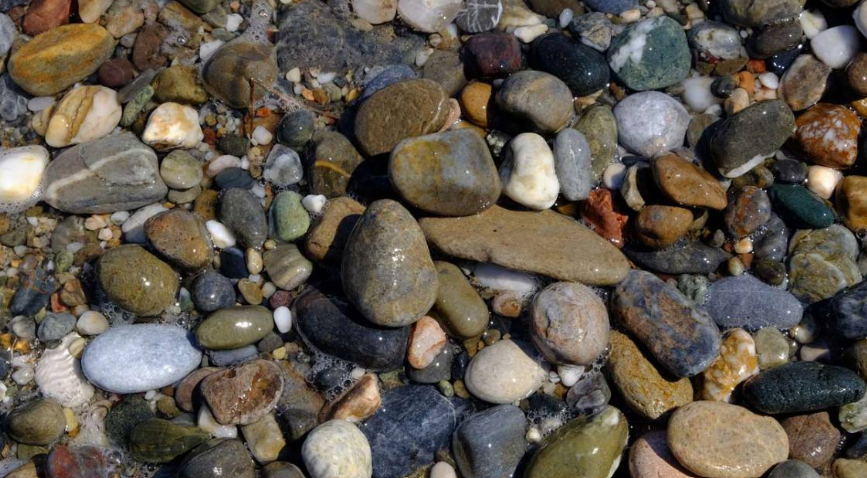
Rocks are naturally occurring solid aggregates of one or more minerals or mineral-like substances, forming the fundamental building blocks of the Earth’s crust and recording within their structure and composition a history of the geological processes that created them. The study of rocks, known as petrology, allows scientists to reconstruct ancient environments, understand the forces that have shaped the planet over billions of years, and locate the mineral and energy resources upon which modern civilization depends. Every rock on Earth’s surface tells a story about heat, pressure, time, water, or some combination of these forces acting upon raw materials over timescales that often dwarf human comprehension.
The classification of rocks into three fundamental categories — igneous, sedimentary, and metamorphic — represents one of the foundational frameworks of geological science, organizing the bewildering diversity of rock types according to the processes by which they form rather than simply their appearance or composition. These three categories are not static boxes but rather points within a continuous cycle, known as the rock cycle, in which any rock can theoretically be transformed into any other type given sufficient changes in temperature, pressure, and exposure to weathering and erosion over geological time. This cyclical relationship means that the rocks beneath our feet today may have existed in entirely different forms millions or even billions of years in the past.
Each major rock category contains enormous internal diversity, reflecting the wide range of specific conditions under which rocks within that category can form. Igneous rocks vary depending on the chemical composition of the molten material from which they crystallized and the rate at which that material cooled. Sedimentary rocks vary depending on the type of material being deposited, whether fragments of other rocks, the remains of organisms, or minerals precipitated directly from solution. Metamorphic rocks vary depending on the composition of the original rock and the specific combination of heat and pressure to which it was subjected during transformation.
Understanding the different types of rocks within each of these categories provides insight not only into the geological history of specific locations but into the broader processes that have shaped the entire planet — volcanic activity, the deposition of sediment in ancient seas and rivers, the collision of continents, and the deep burial and transformation of rock under mountain ranges. The following exploration covers the major types of rocks found within the igneous, sedimentary, and metamorphic categories, illustrating the remarkable diversity of materials that make up the solid Earth.
Granite
Granite is a coarse-grained igneous rock that forms from the slow cooling and crystallization of magma deep within the Earth’s crust, a process that allows large, visible mineral crystals to develop over extended periods of time. Composed primarily of quartz and feldspar with smaller amounts of mica and other minerals, granite is one of the most abundant rocks in the continental crust.
The slow cooling process that produces granite’s characteristic coarse texture distinguishes it from rocks that cool more rapidly at or near the surface, and granite’s hardness and durability have made it a popular building and monument material throughout human history. Large bodies of granite, known as batholiths, form the core of many mountain ranges and are exposed at the surface only after extensive erosion has removed the overlying rock.
Basalt
Basalt is a fine-grained, dark-colored igneous rock that forms from the rapid cooling of lava at or near the Earth’s surface, a process that prevents large mineral crystals from developing and results in basalt’s characteristically dense, fine-grained texture. It is the most common volcanic rock on Earth and forms the bulk of the ocean floor.
Basalt forms through volcanic eruptions both on land and underwater, with vast outpourings of basaltic lava having created some of the largest volcanic features on the planet, including extensive flood basalt provinces that cover enormous areas with thick sequences of basalt layers. The columnar jointing pattern that basalt sometimes develops as it cools creates striking geological formations found in various locations around the world.
Obsidian
Obsidian is a naturally occurring volcanic glass that forms when lava cools so rapidly that mineral crystals have no time to form at all, resulting in a smooth, glassy texture rather than the crystalline structure typical of most igneous rocks. This rapid cooling typically occurs when lava is extruded into water or air rather than cooling slowly underground.
The glassy texture of obsidian allows it to be worked into extremely sharp edges, a property that made it highly valued by ancient civilizations for tools, weapons, and ceremonial objects, and that continues to find application in certain surgical instruments today. Obsidian’s typically black or dark color comes from its high iron and magnesium content, though variations in composition can produce other colors including brown, green, and even rainbow-sheened varieties.
Pumice
Pumice is a lightweight, highly porous volcanic rock that forms when gas-rich magma erupts explosively, causing dissolved gases to expand rapidly and create a frothy texture that solidifies into a rock filled with countless tiny air pockets. This porous structure gives pumice a density low enough that some varieties can float on water.
The abundant air pockets within pumice make it useful for a variety of practical applications, including as an abrasive material in skincare products and construction materials, and as a lightweight aggregate in concrete. Pumice deposits are commonly found around volcanoes that have experienced explosive eruptions, often forming extensive layers that can be used by geologists to date and characterize past volcanic events.
Diorite
Diorite is a coarse-grained intrusive igneous rock with a composition intermediate between granite and basalt, typically displaying a distinctive salt-and-pepper appearance created by its mixture of light-colored feldspar and dark-colored minerals such as hornblende and biotite. Like granite, diorite forms from the slow cooling of magma beneath the Earth’s surface.
Diorite is commonly found in association with granite in many mountain belts, often forming where magmas of different compositions have mixed or where the composition of a magma chamber has evolved over time. Its attractive appearance and durability have made diorite a popular material for sculpture and architectural decoration throughout history, including in some of the world’s most famous ancient monuments.
Gabbro
Gabbro is a coarse-grained, dark-colored intrusive igneous rock that represents the slowly cooled equivalent of basalt, sharing basalt’s composition rich in iron and magnesium minerals but displaying the larger crystal sizes that result from cooling deep within the crust rather than at the surface. Gabbro forms a major component of the oceanic crust beneath the basaltic surface layer.
The dark, dense character of gabbro reflects its composition of minerals such as pyroxene and plagioclase feldspar, and large bodies of gabbro are often associated with significant deposits of valuable metals including chromium, nickel, and platinum group elements. Gabbro’s durability and attractive dark coloration have also led to its use as a decorative building stone, often marketed under the name black granite despite its different mineral composition.
Sandstone
Sandstone is a sedimentary rock composed primarily of sand-sized grains of mineral or rock material, typically quartz, that have been cemented together by minerals deposited from groundwater over time. It forms in a wide variety of environments, including deserts, river systems, beaches, and shallow seas.
The specific characteristics of a sandstone, including its color, grain size, and the patterns visible within it, can reveal a great deal about the environment in which it formed, with features such as ripple marks and cross-bedding preserving evidence of ancient wind and water currents. Sandstone’s relative softness and ease of carving have made it a popular building material throughout history, though this same softness makes it vulnerable to weathering and erosion over time.
Limestone
Limestone is a sedimentary rock composed primarily of calcium carbonate, most commonly forming from the accumulation of the skeletal remains of marine organisms such as corals, shells, and microscopic plankton on the floor of ancient seas. It is one of the most widespread sedimentary rocks and forms the parent material for many karst landscapes.
The biological origin of most limestone means that it often contains abundant fossils, providing valuable windows into ancient marine ecosystems and serving as an important tool for dating and correlating rock layers across different regions. Limestone’s chemical reactivity with slightly acidic water has shaped some of the world’s most spectacular cave systems and surface landscapes through the slow dissolution of the rock over thousands to millions of years.
Shale
Shale is a fine-grained sedimentary rock formed from the compaction of clay and silt-sized particles, typically deposited in low-energy environments such as deep lakes, lagoons, or the deeper portions of the ocean where fine sediment can settle out of suspension slowly. Its fine grain size gives shale a characteristic ability to split into thin layers.
This layered, fissile structure, known as lamination, reflects the way sediment was originally deposited in thin horizontal layers that have been preserved through the compaction process. Shale has become economically significant in recent decades as a source of natural gas and oil extracted through hydraulic fracturing, a technology that has transformed the energy industry in regions with extensive shale deposits.
Conglomerate
Conglomerate is a sedimentary rock composed of rounded fragments of other rocks, known as clasts, that have been cemented together within a finer-grained matrix material. The rounded shape of the clasts within a conglomerate indicates that they were transported and abraded by water or other processes before being deposited and cemented together.
The size and composition of the clasts within a conglomerate can provide important clues about the source rocks from which they were derived and the energy of the environment in which they were transported, with larger clasts generally indicating more energetic transport conditions such as fast-flowing rivers or coastal environments with strong wave action. Conglomerates often form at the base of sedimentary sequences, marking the boundary between an underlying eroded surface and the sediments that were subsequently deposited on top of it.
Coal
Coal is a combustible sedimentary rock formed from the compressed and chemically altered remains of ancient plant material that accumulated in swamp environments and was subsequently buried and subjected to heat and pressure over millions of years. The transformation from plant material to coal occurs through a series of stages that progressively increase the carbon content of the material.
The quality and energy content of coal varies considerably depending on the degree of transformation it has undergone, ranging from low-grade lignite through bituminous coal to high-grade anthracite, with each stage representing greater carbon concentration and energy density. Coal has played a foundational role in industrialization throughout the world, though its combustion as a fuel source has become a major focus of concerns about climate change and air quality.
Marble
Marble is a metamorphic rock that forms when limestone is subjected to heat and pressure, typically associated with the intrusion of magma or the deep burial that occurs during mountain-building events, causing the original calcium carbonate minerals to recrystallize into a denser, more crystalline structure. This recrystallization process can erase the fossils and sedimentary structures present in the original limestone.
The recrystallized calcite crystals within marble give it a characteristic appearance that has made it one of the most prized materials in sculpture and architecture throughout human history, with the white marble quarried from Carrara in Italy having been used by some of history’s most famous sculptors. The veining and color variations found in many marbles result from impurities present in the original limestone that were redistributed during the metamorphic process.
Slate
Slate is a fine-grained metamorphic rock that forms from the low-grade metamorphism of shale, in which the original clay minerals are transformed and aligned under directional pressure to create a rock with a pronounced ability to split into smooth, flat sheets. This splitting property, known as slaty cleavage, is one of slate’s most distinctive characteristics.
The flat, durable sheets that slate naturally forms have made it an extremely valuable material for roofing tiles, flooring, and writing surfaces throughout history, with the orientation of the cleavage planes within slate reflecting the direction of the pressure that was applied during its formation. Slate’s dark color, typically gray to black, comes from fine particles of minerals such as graphite and pyrite distributed throughout the rock.
Gneiss
Gneiss is a high-grade metamorphic rock characterized by a distinctive banded appearance, created when intense heat and pressure cause minerals within the original rock to separate into alternating light and dark layers. This banding, known as gneissic texture, represents one of the most visually striking features of any metamorphic rock.
Gneiss can form from a variety of starting materials, including both igneous rocks like granite and sedimentary rocks like sandstone or shale, with the specific mineral composition of the resulting gneiss reflecting the composition of its parent rock combined with the conditions of metamorphism it experienced. Gneiss often forms in the deep roots of mountain belts, where rocks have been subjected to some of the most extreme temperature and pressure conditions found anywhere in the crust.
Schist
Schist is a medium to coarse-grained metamorphic rock characterized by a strongly developed parallel arrangement of platy minerals, particularly mica, which gives the rock a pronounced foliation and allows it to be split relatively easily along these mineral-aligned surfaces. This foliated texture distinguishes schist from the more banded appearance of gneiss.
The specific minerals present within a schist, which can include garnet, staurolite, and other minerals that form only under particular temperature and pressure conditions, provide geologists with valuable information about the precise metamorphic conditions the rock experienced during its formation. Schist often represents an intermediate stage in the progressive metamorphism of shale, occurring between the lower-grade slate and the higher-grade gneiss.
Quartzite
Quartzite is a hard, durable metamorphic rock that forms when sandstone composed primarily of quartz grains is subjected to heat and pressure sufficient to cause the individual quartz grains to recrystallize and fuse together into a dense, interlocking mass. This recrystallization eliminates the porosity and grain boundaries characteristic of the original sandstone.
The resulting rock is significantly harder and more resistant to weathering than the sandstone from which it formed, often creating prominent ridges and resistant outcrops in landscapes where it occurs alongside more easily eroded rock types. Quartzite’s hardness and attractive appearance have led to its use as a building stone and decorative material, though its hardness also makes it more difficult to work than many other rock types.
Andesite
Andesite is a fine-grained, intermediate-composition volcanic rock that forms from lava with a chemical makeup between that of basalt and rhyolite, commonly erupted from the stratovolcanoes found above subduction zones around the Pacific Ring of Fire. Its name derives from the Andes mountain range, where this rock type is particularly abundant.
The intermediate composition of andesite reflects magma that has either evolved through partial crystallization of more basaltic material or formed through the melting and mixing of crustal rocks with mantle-derived magma during subduction. Andesite typically appears gray to greenish-gray and often contains visible crystals of plagioclase feldspar set within a finer-grained matrix.
Rhyolite
Rhyolite is a fine-grained, light-colored volcanic rock that represents the extrusive equivalent of granite, forming from lava so rich in silica that it is often extremely viscous and prone to explosive eruption. Its high silica content makes rhyolite chemically similar to granite despite its very different cooling history and texture.
Because rhyolitic magma is so viscous, eruptions involving this rock type tend to be among the most explosively violent in nature, sometimes producing massive volumes of volcanic ash and pyroclastic material that can bury entire landscapes. Rhyolite often displays a banded or layered appearance caused by the flow of viscous lava before it solidified.
Peridotite
Peridotite is a coarse-grained, dense igneous rock composed primarily of the mineral olivine along with varying amounts of pyroxene, making it one of the dominant rock types of the Earth’s upper mantle. Its high iron and magnesium content gives peridotite a characteristic greenish color when fresh.
Peridotite rarely reaches the surface intact, as it typically originates at great depths within the mantle, but it can be exposed where tectonic processes have brought slices of oceanic lithosphere onto land or where volcanic activity has transported mantle fragments upward. Peridotite is also the primary host rock for diamonds, which form under the extreme pressures found at the depths where peridotite originates.
Tuff
Tuff is a sedimentary or pyroclastic rock formed from the compaction and cementation of volcanic ash and other fine fragmental material ejected during explosive volcanic eruptions. Despite its volcanic origin, tuff is often classified separately from typical igneous rocks because of the way it accumulates and consolidates from fallen ash particles.
The relative softness of many tuff deposits has made them easy to carve, leading to their use in construction and sculpture in various volcanic regions throughout history, including in ancient structures carved directly into tuff cliff faces. Tuff deposits can vary enormously in thickness and extent depending on the size and explosivity of the eruption that produced them, with some massive eruptions producing tuff layers that cover thousands of square kilometers.
Breccia
Breccia is a sedimentary or volcanic rock composed of angular, broken fragments of rock cemented together within a finer matrix, distinguished from conglomerate by the angular rather than rounded shape of its constituent fragments. This angularity indicates that the fragments were not transported far enough to become rounded before deposition.
Breccia can form through a variety of processes, including the collapse of cave systems, the impact of meteorites, volcanic explosions that shatter surrounding rock, and faulting that crushes rock along a fault zone. The specific origin of a breccia can often be determined by examining the composition of its fragments and the nature of the matrix that binds them together.
Chalk
Chalk is a soft, fine-grained sedimentary rock composed almost entirely of calcium carbonate derived from the microscopic skeletal remains of marine organisms called coccolithophores, which accumulated in vast quantities on the floor of ancient shallow seas. Its extremely fine texture distinguishes it from other forms of limestone.
The famous white cliffs found along parts of the English and French coastlines are composed of chalk deposited during the Cretaceous period, when warm, shallow seas covered much of what is now Europe. Chalk’s softness and porosity have made it useful for applications ranging from writing implements to agricultural soil treatment, where it can be used to neutralize acidic soils.
Dolomite
Dolomite is a sedimentary rock composed primarily of the mineral of the same name, a calcium magnesium carbonate that forms either through the direct precipitation of dolomite from magnesium-rich water or through the alteration of existing limestone by magnesium-bearing fluids. This alteration process is known as dolomitization.
Dolomite rock is generally more resistant to weathering and dissolution than ordinary limestone, often forming prominent ridges and cliffs in landscapes where the two rock types occur together. The Dolomite mountain range in Italy, from which the rock takes its name, showcases the dramatic, pale-colored peaks that this rock type can form.
Anthracite
Anthracite is the highest-grade form of coal, representing the end stage of the coalification process in which organic plant material has been subjected to such intense heat and pressure that it has been transformed into a hard, dense, lustrous rock with a very high carbon content. Anthracite burns with minimal smoke and produces more heat per unit mass than lower grades of coal.
The formation of anthracite typically requires the original coal-forming sediments to have been subjected to significant tectonic deformation and metamorphic conditions, often occurring in regions where mountain-building processes have affected coal-bearing rock sequences. Because of the geological conditions required for its formation, anthracite is considerably rarer than the lower grades of coal such as lignite and bituminous coal.
Phyllite
Phyllite is a fine-grained metamorphic rock that represents an intermediate stage between slate and schist, formed through a degree of metamorphism greater than that which produces slate but less than that required to form schist. Phyllite typically displays a distinctive silky or glossy sheen on its surfaces.
This characteristic sheen results from the growth of fine-grained mica minerals that have become aligned during metamorphism but have not yet grown large enough to give the rock the coarser, more strongly foliated texture of schist. Phyllite often shows a wrinkled or crinkled surface texture that reflects the folding the rock experienced during its formation.
Hornfels
Hornfels is a fine-grained metamorphic rock that forms when rocks are subjected to intense heat from a nearby body of magma without the directional pressure that typically creates foliation in other metamorphic rocks. This type of metamorphism, known as contact metamorphism, produces a dense, hard rock with a uniform, non-layered texture.
The lack of foliation in hornfels distinguishes it from rocks like schist and gneiss that form under regional metamorphic conditions involving significant directional stress. Hornfels typically forms in a zone surrounding an igneous intrusion, with the intensity of metamorphism and the resulting mineral composition decreasing with distance from the heat source.
Soapstone
Soapstone is a metamorphic rock composed primarily of the mineral talc, giving it an extremely soft texture and a distinctive soapy or greasy feel when touched, from which the rock takes its name. This softness makes soapstone one of the easiest rocks to carve.
The exceptional workability of soapstone has made it a favored material for carving sculptures, bowls, and other objects across many cultures throughout history, while its resistance to heat and chemical reactions has also led to its use in countertops, sinks, and woodstove construction. Soapstone forms through the metamorphism of rocks rich in magnesium, often in settings where ultramafic rocks like peridotite have been altered by hydrothermal fluids.
Eclogite
Eclogite is a dense, high-pressure metamorphic rock formed under extreme conditions typically associated with the subduction of oceanic crust to great depths within the Earth’s mantle. Its formation requires pressures and temperatures far exceeding those involved in the metamorphism of more common rocks like schist and gneiss.
The distinctive mineralogy of eclogite, dominated by red garnet and green pyroxene crystals that create a striking color contrast, provides geologists with direct evidence of the extreme conditions experienced by rocks that have been subducted to depths of many tens of kilometers and subsequently returned to the surface. The study of eclogite has been instrumental in understanding the deep processes involved in plate tectonics and mountain building.