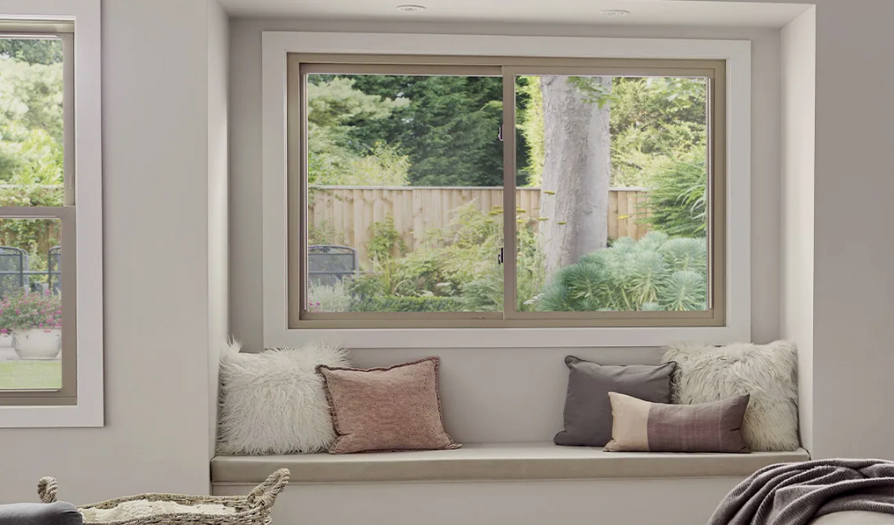
Window designs play an important role in both the functionality and appearance of buildings. A window is more than just an opening in a wall; it influences lighting, ventilation, energy efficiency, and architectural style. Different window designs are selected based on climate, building purpose, and aesthetic preference. Modern architecture carefully integrates window design to balance comfort, practicality, and visual appeal.
One of the main purposes of window design is to control natural light and airflow. Well-designed windows allow sunlight to brighten interior spaces, reducing the need for artificial lighting during the day. At the same time, operable windows improve ventilation by allowing fresh air to circulate, which helps regulate indoor temperature and enhances comfort for occupants.
Window designs also contribute significantly to energy efficiency. Advances in glazing technology, insulation, and framing materials help reduce heat loss in cold conditions and limit heat gain in warm climates. Features such as double or triple glazing, tinted glass, and insulated frames help buildings conserve energy and lower heating or cooling costs while maintaining indoor comfort.
Aesthetically, windows define the character and style of a building. Traditional buildings may feature symmetrical or decorative window patterns, while modern structures often use large glass panels, minimalist frames, or unique geometric arrangements. Window size, shape, and placement can make spaces feel larger, brighter, and more connected to the outdoor environment.
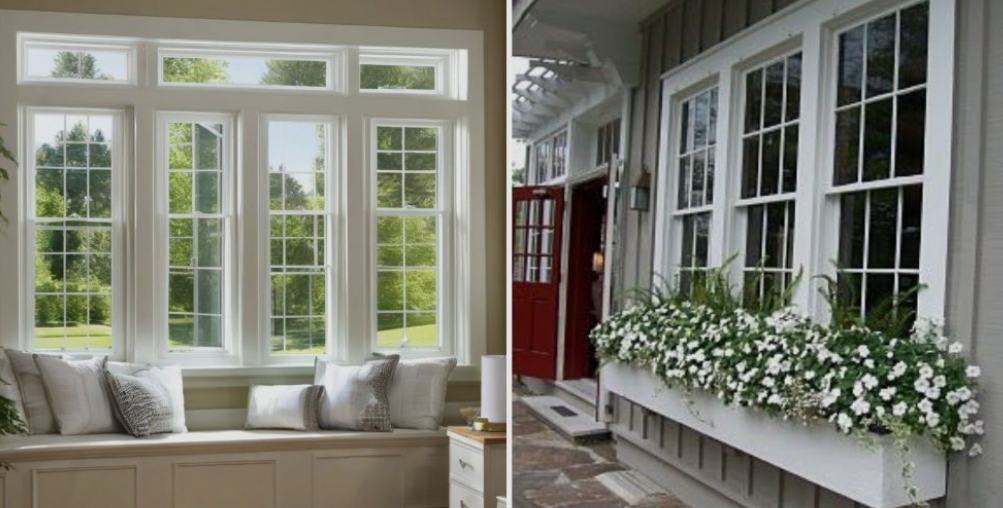
Window Designs
Fixed Window
A fixed window is designed to remain permanently closed and does not open. Its main purpose is to allow natural light into a space while offering clear outdoor views. Because it has no moving parts, it is energy-efficient and often used in areas where ventilation is not required.
Sliding Window
A sliding window operates by moving horizontally along a track. One or more panels slide past each other to open and close. This design is easy to operate and ideal for spaces where outward-opening windows would be impractical.
Casement Window
A casement window is hinged at the side and opens outward like a door, usually operated with a crank or handle. It provides excellent ventilation because it can catch and direct airflow into the building. Casement windows also seal tightly when closed, improving energy efficiency.
Awning Window
An awning window is hinged at the top and opens outward from the bottom. This design allows ventilation even during light rain, as the glass panel helps shield the opening. Awning windows are often placed higher on walls for privacy and airflow.
Hopper Window
A hopper window is hinged at the bottom and opens inward from the top. It is commonly installed in basements or small spaces where ventilation is needed. Its inward-opening design makes it easy to clean and maintain.
Double-Hung Window
A double-hung window features two vertically sliding sashes that move up and down within the frame. Both the top and bottom sections can open, providing flexible ventilation options. This style is popular in residential buildings due to its classic appearance and practicality.
Single-Hung Window
A single-hung window is similar to a double-hung window, but only the bottom sash moves while the top remains fixed. It is simpler in design and often more affordable. This type is commonly used in homes and apartments.
Bay Window
A bay window projects outward from the main wall of a building, forming a small interior alcove. It usually consists of three panels: a large central window and two angled side windows. Bay windows increase natural light and create additional interior space.
Bow Window
A bow window is similar to a bay window but consists of four or more panels arranged in a gentle curve. This design creates a rounded exterior appearance and allows more light to enter from different angles. It adds architectural elegance and spaciousness to a room.
Picture Window
A picture window is a large fixed window designed to frame outdoor views like a picture. It does not open and is often used in living rooms or scenic areas. Its large glass surface maximizes natural light and enhances visual connection with the outdoors.
Skylight Window
A skylight window is installed in the roof rather than the wall. It allows natural light to enter from above, brightening interior spaces such as attics, hallways, or bathrooms. Some skylights can open for ventilation, while others remain fixed.
Louvered Window
A louvered window consists of horizontal slats that can be tilted to control airflow and light. The slats are usually made of glass or other materials and can be adjusted to regulate ventilation. This type is commonly used in warm climates where continuous airflow is important.
Corner Window
A corner window is installed at the junction of two perpendicular walls, allowing light to enter from multiple directions. This design creates wide panoramic views and gives rooms a modern, open appearance. Corner windows are often used in contemporary architecture to enhance aesthetics and natural lighting.
Clerestory Window
A clerestory window is positioned high on a wall, usually near the roofline. It allows daylight to enter while maintaining privacy and wall space below for furniture or decorations. These windows are commonly used in large halls, churches, and modern homes to improve illumination and ventilation.
Tilt-and-Turn Window
A tilt-and-turn window can open in two ways: it tilts inward from the top for ventilation or swings open like a casement window for full access. This versatile design improves airflow control and makes cleaning easier, especially in multi-story buildings.
Garden Window
A garden window projects outward from the wall and typically includes glass panels on all sides. It creates a small shelf-like space often used for growing plants indoors. These windows are popular in kitchens because they allow sunlight to reach herbs and decorative plants.
Transom Window
A transom window is a small window placed above doors or larger windows. It can be fixed or operable and is used to increase natural light and airflow between rooms. Transom windows also add decorative architectural detail.
Sash Window
A sash window consists of one or more movable panels called sashes that hold the glass panes. These panels slide vertically or horizontally depending on the design. Sash windows are traditional in style and commonly found in historic and residential buildings.
Folding (Bi-Fold) Window
A folding or bi-fold window features multiple panels that fold and stack to one side when opened. This creates a large opening that connects indoor and outdoor spaces. It is often used in restaurants, patios, and modern homes for an open-air effect.
Pivot Window
A pivot window rotates around a central hinge, either vertically or horizontally. This unique movement allows easy cleaning and controlled ventilation. Pivot windows are popular in modern architectural designs due to their sleek appearance.
Arched Window
An arched window has a curved or semi-circular top, adding elegance and decorative appeal to a building. While some are fixed, others may include operable sections. They are commonly used in classical and traditional architectural styles.
Dormer Window
A dormer window projects vertically from a sloping roof and includes its own small roof structure. It increases usable interior space and allows light and ventilation into attics or upper floors. Dormer windows also enhance the exterior appearance of buildings.
Jalouise (Jalousie) Window
A jalousie window consists of parallel glass or metal slats that open and close together using a crank mechanism. The adjustable slats provide continuous airflow while offering partial protection from rain. These windows are common in tropical and warm climates.
Smart (Electrochromic) Window
A smart window uses advanced glass technology that can change tint automatically or electronically. It helps control heat, glare, and privacy without curtains or blinds. Smart windows improve energy efficiency and are increasingly used in modern sustainable buildings.
Egress Window
An egress window is a large window designed to serve as an emergency exit, especially in basements and bedrooms. Building codes often require these windows to be large enough for a person to climb through safely. Besides safety, they also allow natural light and ventilation into lower-level spaces.
Storm Window
A storm window is installed on the exterior or interior of an existing window to provide extra insulation and weather protection. It helps reduce heat loss, block drafts, and protect against strong winds and rain. Storm windows are commonly used in regions with harsh seasonal weather.
Soundproof Window
A soundproof window is specially constructed with multiple layers of glass and insulating materials to reduce outside noise. These windows are ideal for buildings located near busy roads, airports, or urban centers. They improve indoor comfort by creating a quieter living or working environment.
Frosted Glass Window
A frosted glass window has a textured or chemically treated surface that diffuses light while maintaining privacy. It allows daylight to enter without clear visibility through the glass. This type is commonly used in bathrooms, offices, and partitions.
Stained Glass Window
A stained glass window features colored glass pieces arranged in decorative patterns or artistic designs. Traditionally associated with churches and historic buildings, they add aesthetic beauty and character while allowing filtered light into interiors.
Ventilating Window
A ventilating window is specifically designed to maximize airflow within a building. It may include adjustable panels, louvers, or small operable sections integrated into larger fixed windows. These windows help improve indoor air quality and temperature regulation.
Metal Frame Window
A metal frame window uses frames made from aluminum, steel, or other metals instead of wood or plastic. These windows are strong, durable, and resistant to warping or pests. They are widely used in commercial and modern residential buildings due to their slim profiles and low maintenance.
uPVC Window
A uPVC (unplasticized polyvinyl chloride) window is made from rigid plastic material known for durability and energy efficiency. It resists moisture, corrosion, and weather damage, making it suitable for various climates. uPVC windows are popular because they require minimal maintenance and provide good insulation.