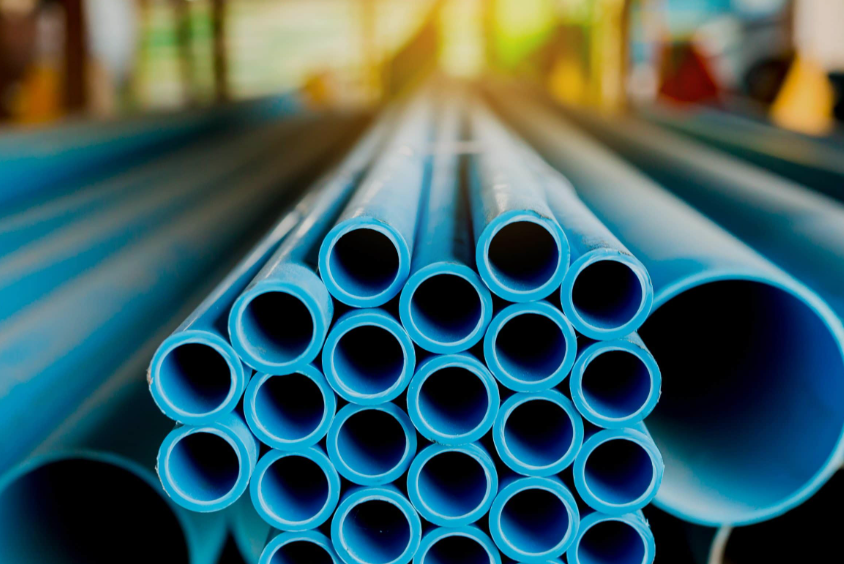
Pipes for plumbing are tubes or channels used to carry water and other fluids within buildings for domestic and commercial use. They form the core of plumbing systems, delivering clean water to fixtures such as sinks, showers, and toilets while also removing wastewater safely. A well-designed pipe system ensures reliable water flow, proper sanitation, and comfort in everyday living environments.
Plumbing pipes are made from different materials, each chosen based on purpose and performance. Plastic pipes like PVC, CPVC, and PEX are commonly used because they are lightweight, affordable, and resistant to rust and chemical damage. Metal pipes such as copper and stainless steel are valued for their durability and ability to handle high temperatures, making them suitable for hot water supply lines and long-term installations.
The selection of plumbing pipes depends on factors such as water pressure, temperature, building size, and installation location. Some pipes are best suited for indoor water supply, while others are designed for drainage or underground systems. Flexibility, resistance to corrosion, ease of installation, and maintenance requirements are all important considerations when choosing the right piping material.
Proper installation and regular maintenance help plumbing pipes function efficiently and last longer. Secure joints, correct pipe sizing, and protection from extreme temperatures reduce the risk of leaks and blockages. Modern plumbing systems continue to evolve with improved materials and designs that promote water conservation, durability, and safe delivery of water in homes and buildings.
Types of Pipes for Plumbing and Water Supply
PVC Pipes (Polyvinyl Chloride)
PVC pipes are lightweight plastic pipes widely used in modern plumbing systems. They are resistant to corrosion, chemicals, and moisture, making them ideal for cold water supply, drainage, and irrigation systems. PVC pipes are easy to cut and install, and their smooth inner surface allows efficient water flow with minimal friction.
CPVC Pipes (Chlorinated Polyvinyl Chloride)
CPVC pipes are similar to PVC but are specially treated to withstand higher temperatures. This makes them suitable for both hot and cold water supply lines in homes and buildings. They are durable, resistant to rust, and relatively inexpensive, making them a popular choice in residential plumbing systems.
Copper Pipes
Copper pipes have been used for decades in water supply systems because of their strength and reliability. They can handle high temperatures and pressure and naturally resist bacteria growth. Copper piping is commonly used for drinking water lines and hot water systems, although it is more expensive than plastic alternatives.
PEX Pipes (Cross-Linked Polyethylene)
PEX pipes are flexible plastic pipes that have become very popular in modern plumbing. Their flexibility allows them to bend around corners, reducing the need for many joints and fittings. PEX is resistant to scale buildup and freezing damage, making it suitable for indoor water supply lines and underfloor heating systems.
Galvanized Steel Pipes
Galvanized steel pipes are metal pipes coated with zinc to prevent rusting. They were commonly used in older buildings for water supply lines. While strong and durable, they can corrode internally over time, leading to reduced water pressure and possible contamination, so they are now less commonly installed in new systems.
HDPE Pipes (High-Density Polyethylene)
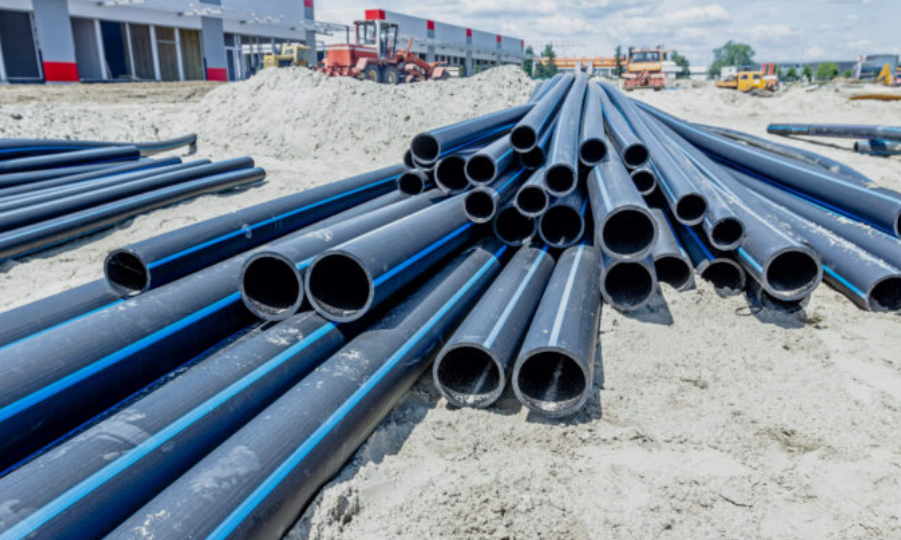
HDPE pipes are strong, flexible plastic pipes often used for underground water supply and municipal distribution systems. They resist corrosion, chemical damage, and cracking, even under ground movement. Their durability and leak-resistant joints make them ideal for long-distance water transport and outdoor installations.
Cast Iron Pipes
Cast iron pipes are heavy-duty metal pipes traditionally used for drainage and sewage systems. They are extremely strong and durable, capable of lasting many decades. Their thick walls also help reduce noise from flowing water, making them suitable for large buildings and underground waste lines, although they are heavier and harder to install than modern plastic pipes.
ABS Pipes (Acrylonitrile Butadiene Styrene)
ABS pipes are black plastic pipes commonly used for drain, waste, and vent systems. They are lightweight, impact-resistant, and perform well in cold temperatures. ABS pipes are easy to install using solvent cement and are often used as an alternative to PVC in residential drainage systems.
Polypropylene (PP) Pipes
Polypropylene pipes are heat-resistant plastic pipes used for both hot and cold water supply. They are resistant to chemicals and corrosion, making them suitable for domestic plumbing as well as industrial water systems. Their smooth interior reduces scaling and helps maintain steady water flow.
Brass Pipes
Brass pipes are made from an alloy of copper and zinc and are valued for their durability and resistance to corrosion. They can handle high temperatures and are often used for water distribution lines, fittings, and fixtures. Brass piping is long-lasting and safe for potable water systems but tends to be more expensive.
Stainless Steel Pipes
Stainless steel pipes are strong, corrosion-resistant, and hygienic, making them ideal for clean water supply and areas requiring high sanitation standards. They are commonly used in commercial buildings, hospitals, and industrial systems. Although costly, they offer excellent durability and resistance to rust.
Concrete Pipes
Concrete pipes are large, heavy pipes mainly used in municipal water supply, stormwater drainage, and sewer systems. They are extremely strong and capable of handling high external pressure underground. These pipes are commonly installed in large-scale infrastructure projects rather than household plumbing.