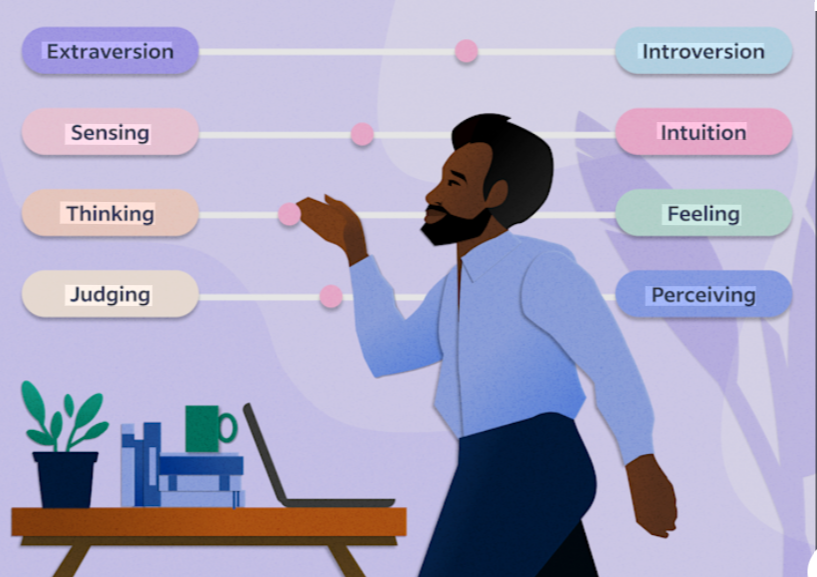
Personality refers to the unique set of thoughts, feelings, behaviors, and patterns that make each person different from others. It influences how individuals react to situations, interact with people, and view the world around them. Personality develops over time and helps shape a person’s identity and everyday actions.
In psychology, personality is seen as a combination of inherited traits and life experiences. Genetics may influence temperament and natural tendencies, while environment, culture, education, and relationships help refine how a person behaves. This interaction between nature and nurture plays an important role in personality development.
Personality is often described through consistent patterns. For example, some people may generally be outgoing and energetic, while others are quiet and reflective. These patterns tend to remain relatively stable over time, although they can change gradually as people grow, learn, and adapt to new experiences.
Understanding personality helps explain differences in communication styles, decision-making, emotional responses, and social behavior. Psychologists study personality to better understand human behavior, improve relationships, and support personal growth. Personality knowledge is also useful in education, counseling, and workplaces.
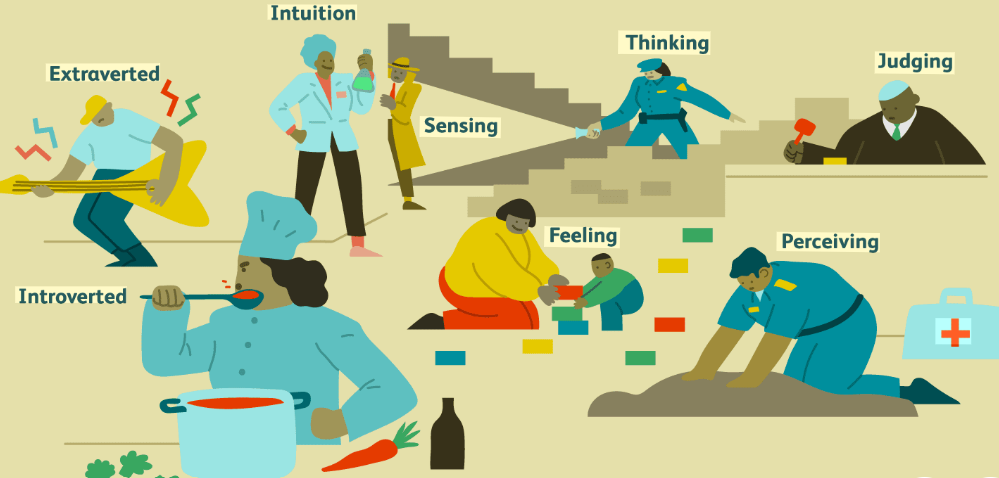
Types of Personalities
The Reformer (Perfectionist Type)
This personality type is principled, responsible, and strongly guided by a sense of right and wrong. Reformers strive for improvement and often set high standards for themselves and others. They are organized and disciplined but may become overly critical or stressed when things do not meet their expectations. Their motivation usually comes from a desire to create order and fairness.
The Helper
Helpers are warm, caring, and people-oriented individuals who gain satisfaction from supporting others. They are empathetic and attentive to emotional needs, often forming strong relationships. However, they may sometimes neglect their own needs while focusing too much on others. Their behavior is driven by a desire to feel appreciated and connected.
The Achiever
Achievers are goal-focused, ambitious, and motivated by success. They tend to be hardworking and adaptable, often striving to excel in academics, careers, or personal projects. This personality type values efficiency and recognition but may struggle with stress or self-worth tied closely to achievement and performance.
The Individualist
Individualists are introspective, creative, and emotionally aware. They often value authenticity and self-expression, seeking meaning and personal identity. This type may be artistic or imaginative but can also experience mood fluctuations or feelings of being misunderstood. Their strength lies in originality and emotional depth.
The Investigator
Investigators are analytical, curious, and knowledge-driven. They enjoy observing, researching, and understanding complex ideas rather than engaging heavily in social interaction. Independent and thoughtful, they prefer logical thinking and careful planning. At times, they may withdraw socially to preserve energy or focus on intellectual interests.
The Loyalist
Loyalists are dependable, cautious, and security-oriented individuals. They value trust, stability, and strong support systems. Often good planners, they anticipate risks and prepare for challenges. While they are reliable team members, they may struggle with anxiety or overthinking when facing uncertainty.
The Enthusiast
Enthusiasts are energetic, optimistic, and adventurous personalities who enjoy new experiences. They are creative thinkers who seek variety and excitement in life. Their positivity can inspire others, but they may sometimes avoid routine or difficult emotions by constantly pursuing stimulation and change.
The Challenger
Challengers are confident, assertive, and protective individuals who naturally take leadership roles. They value strength, independence, and honesty, often standing up for themselves and others. While decisive and courageous, they may appear intense or controlling when trying to maintain authority or protect their autonomy.
The Peacemaker
Peacemakers are calm, patient, and harmony-seeking individuals. They prefer cooperation over conflict and often act as mediators in groups. Their ability to understand multiple perspectives makes them supportive companions, though they may sometimes avoid confrontation or suppress their own opinions to keep peace.
The Leader (Directive Type)
The leader personality is confident, organized, and comfortable taking responsibility in group situations. Individuals with this personality naturally guide others, make decisions quickly, and focus on achieving goals efficiently. They often thrive in positions that require planning and coordination, though they may need to practice patience and listening to different viewpoints.
The Thinker (Analytical Type)
Thinkers rely heavily on logic, reasoning, and careful analysis before making decisions. They enjoy solving problems, evaluating evidence, and understanding systems deeply. This personality type values accuracy and knowledge, sometimes appearing reserved because they prefer reflection over impulsive action.
The Caregiver
Caregivers are nurturing, protective, and supportive individuals who prioritize the well-being of others. They often take on roles that involve helping, teaching, or guiding people. Their empathy makes them dependable friends and teammates, although they may sometimes feel overwhelmed if they take on too many responsibilities.
The Visionary
Visionaries are imaginative and future-oriented personalities who enjoy exploring possibilities and new ideas. They tend to think creatively and see connections others might miss. This personality type is often innovative and inspiring, but may struggle with routine tasks or practical details.
The Realist
Realists are practical, grounded, and focused on what works in the real world. They prefer clear facts and achievable goals rather than abstract theories. Known for reliability and common sense, they help bring balance to teams by turning ideas into workable plans.
The Socializer
Socializers are outgoing, expressive, and energized by interaction with others. They enjoy communication, teamwork, and shared activities. Their enthusiasm often makes them good motivators, though they may sometimes find solitude or repetitive tasks challenging.
The Protector
Protectors are responsible and security-minded individuals who value safety, loyalty, and stability. They often look after others and ensure rules or traditions are respected. Their cautious nature helps prevent problems, although they may resist sudden change or uncertainty.
The Explorer
Explorers are curious, spontaneous, and drawn to new experiences. They enjoy learning through action and discovery rather than strict planning. This personality type adapts easily to change and often embraces adventure, though maintaining long-term routines can sometimes be difficult.
The Organizer
Organizers are structured, detail-oriented, and efficient. They prefer clear systems, schedules, and orderly environments. Their strengths include planning, time management, and reliability, making them valuable in situations requiring precision and coordination.