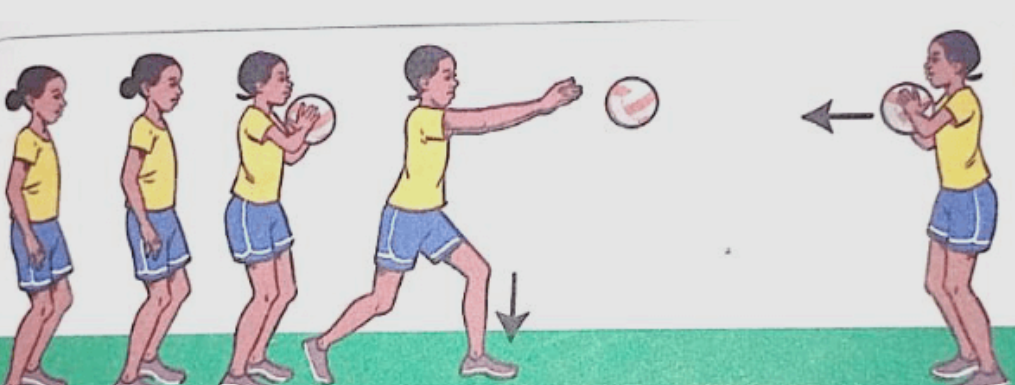
Passes in netball are one of the most important skills for maintaining possession, advancing the ball, and creating scoring opportunities. Since netball is a fast-paced, positional game with strict movement rules, accurate and timely passes are essential for keeping the play flowing and outmaneuvering defenders. Effective passing allows players to link up with teammates, open spaces on the court, and control the tempo of the game.
There are many types of passes in netball, each suited for different situations. Short passes, like chest passes and bounce passes, are commonly used for close-range play and quick exchanges between teammates. Longer passes, such as lob passes or overhead passes, help move the ball across the court or bypass defenders. Specialized passes, including one-handed passes, flick passes, and pivot passes, are designed to maintain possession and create attacking opportunities in tight or high-pressure situations.
The success of a pass depends on technique, timing, and awareness. Players must judge the distance, speed, and trajectory of the ball to ensure it reaches the intended teammate safely. Advanced passes, like over-the-head bounce passes or reverse passes, require skill, quick decision-making, and good spatial awareness. Communication and understanding between teammates are essential for effective passing, particularly when trying to break through a tight defensive setup.
Passing is not only important for offense but also for controlling the pace and strategy of the game. Safe and well-timed passes help retain possession, reset plays, or switch the direction of attack. Poorly executed passes can result in turnovers and allow the opposition to counterattack. Teams that excel at passing can dominate ball possession, stretch the defense, and create more scoring opportunities.
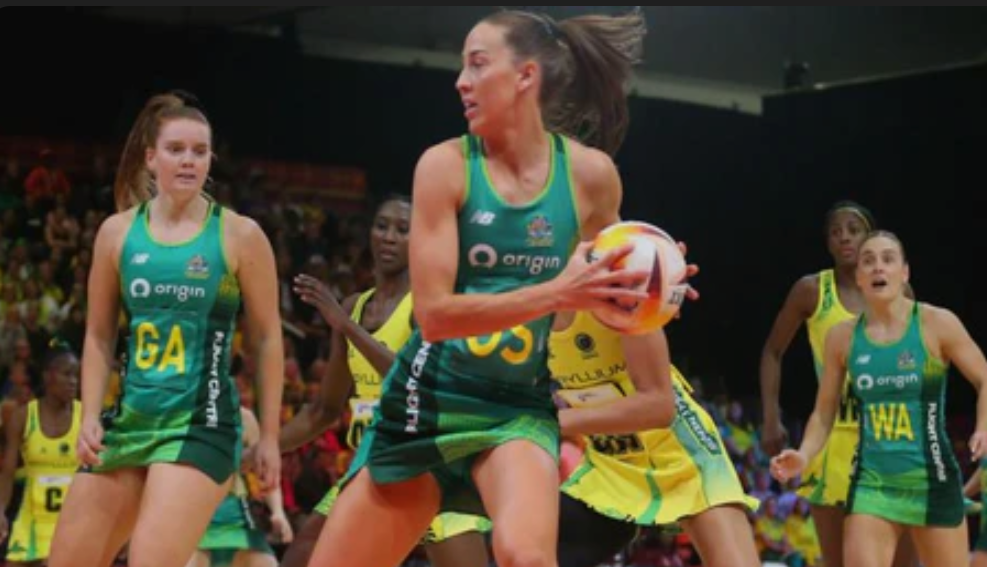
Types of Passes in Netball
Chest Pass
The chest pass is the most basic and commonly used pass in netball. The ball is held at chest level and pushed straight to a teammate using both hands. It is fast, accurate, and ideal for short to medium distances, allowing players to maintain possession and quickly move the ball through the court.
Shoulder Pass
A shoulder pass is delivered from above the shoulder with one hand, often over a longer distance than a chest pass. It is useful for reaching teammates further down the court, especially when trying to bypass defenders. Accuracy and strength are important to ensure the ball reaches its target safely.
Bounce Pass
A bounce pass involves bouncing the ball off the floor so that it reaches a teammate. This pass is effective in crowded areas, as the ball travels under the defenders’ reach. Timing, control, and proper force are essential to prevent interceptions and maintain possession.
Overhead Pass
The overhead pass is thrown above the head with both hands and is often used to move the ball quickly over defenders. It is effective for covering longer distances and for shifting play to the opposite side of the court. Precision in direction and speed is critical for success.
Shoulder Bounce Pass
A shoulder bounce pass combines elements of the shoulder and bounce passes. The ball is thrown from the shoulder but directed to bounce once before reaching the teammate. It is useful for passing over defenders in mid-range situations while keeping the ball controlled.
One-Handed Pass
The one-handed pass is delivered with a single hand, allowing for quicker release and more deceptive movements. It is often used when the passer is under pressure or wants to pass around a defender. Strong wrist and arm control are necessary for accuracy and distance.
Long Pass / Lob Pass
The long or lob pass is thrown in a high, arcing motion to reach a teammate over defenders or across the court. It is commonly used to cover large distances, particularly when switching play or during fast attacking moves. Timing and control are essential to ensure the ball lands where intended.
Shoulder Flick / Flick Pass
A flick pass, or shoulder flick, is a short, sharp pass delivered with a quick flick of the wrist, often from the shoulder or chest. It is effective for quick play in tight spaces, allowing teammates to receive the ball unexpectedly while evading defenders. Speed and precision are key for this type of pass.
Side Pass
A side pass is delivered horizontally across the court to a teammate positioned on either side. It is often used to quickly shift play, create space, or change the angle of attack. Accuracy is important to ensure the ball reaches the teammate without being intercepted.
Pivot Pass
A pivot pass is executed while the passer rotates on one foot (the pivot foot) to change direction before passing. This technique helps evade defenders and find an open teammate. Good balance, coordination, and awareness of teammate positions are crucial for an effective pivot pass.
Over-the-Head Bounce Pass
An over-the-head bounce pass combines the elements of an overhead pass and a bounce pass. The ball is thrown over the defender’s reach while bouncing once before reaching the teammate. This pass is useful for avoiding interceptions and maintaining possession in congested areas.
Reverse Pass / Back Pass
A reverse pass, also called a back pass, is made to a teammate behind the passer. It is often used to retain possession, reset the play, or relieve pressure when the attacking option is blocked. Timing and control are important to prevent turnovers.
Flick or Push Pass
The flick or push pass is a quick, short pass made with a rapid wrist movement. It is often used in close-quarter situations to release the ball quickly under defensive pressure. Precision and speed are essential to ensure the pass reaches the teammate and keeps the play flowing.