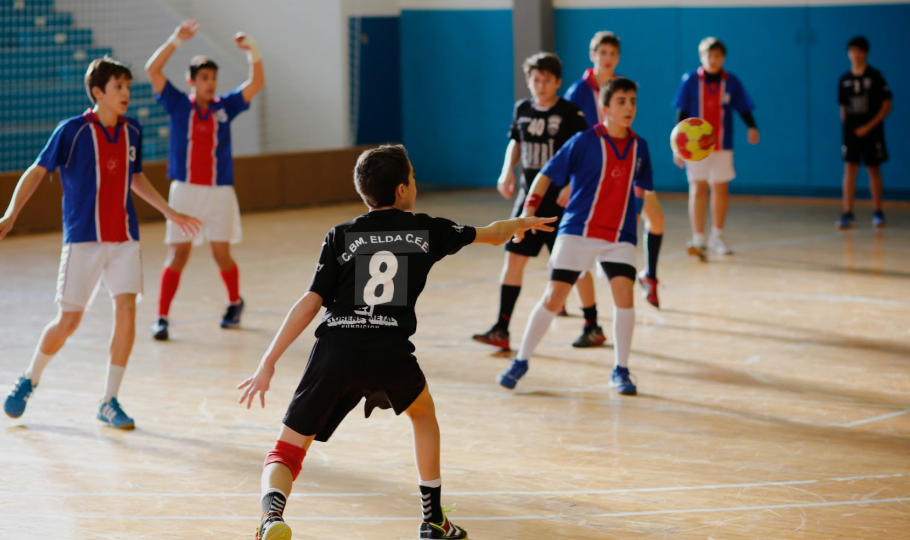
Passes in handball are one of the most important skills in the game, as they allow teams to move the ball quickly and maintain control while advancing toward the opponent’s goal. Since handball is a fast-paced sport, accurate and timely passes are essential for creating scoring opportunities and keeping the defense off balance. Players must be able to pass both over short and long distances while under pressure from defenders.
Handball passes come in many forms, each designed for different situations on the court. Basic passes, like chest passes and bounce passes, are used for short distances and help maintain possession in tight spaces. Long passes, overhead passes, and jump passes are employed to cover more ground, reach teammates in advanced positions, or bypass defenders. Choosing the right type of pass is crucial to the success of any offensive strategy.
The effectiveness of a pass depends on both technique and decision-making. Players must consider the position of teammates and opponents, the speed and direction of the ball, and the timing of the play. Quick thinking and awareness are essential, especially during fast breaks or when under defensive pressure. A well-timed pass can break through defensive lines and create a high-quality scoring chance.
Passing in handball is not only about offense; it is also vital for defense and game management. Safe and controlled passes help retain possession, relieve pressure, and organize attacks. Even a short pass to a teammate in a safer position can allow the team to reset and build a more effective offensive move. Effective passing reduces turnovers and helps maintain control throughout the game.
Types of Passes in Handball
Chest Pass
The chest pass is one of the most common and basic passes in handball. The player holds the ball with both hands at chest level and pushes it straight toward a teammate using a quick flick of the wrists and arms. This pass is fast, accurate, and ideal for short to medium distances, making it effective for maintaining possession and quick ball circulation.
Bounce Pass
In a bounce pass, the ball is thrown toward the floor so that it bounces once before reaching the teammate. This technique is useful when opponents are blocking the direct line of sight, as the ball can travel under defenders’ arms. Timing and proper force are crucial to ensure the ball reaches the intended target safely.
Overhead Pass
The overhead pass involves throwing the ball from above the head with both hands, often over defenders. It is commonly used for long passes, fast breaks, or when the passer is trying to deliver the ball over an opponent’s reach. Accuracy and strength are important to cover distance without losing control.
Side Pass
A side pass is delivered with a swinging motion of the arm, sending the ball sideways to a teammate. It is effective for shifting the ball quickly across the width of the court and creating space in attack. Players must maintain balance and control to prevent the ball from going out of bounds.
One-Handed Pass
This pass is executed using only the dominant hand, allowing for quick releases and more deceptive movements. One-handed passes are useful in fast attacks, especially when the player needs to shoot immediately after passing or when evading a defender. It requires strong wrist and arm control for accuracy.
Jump Pass
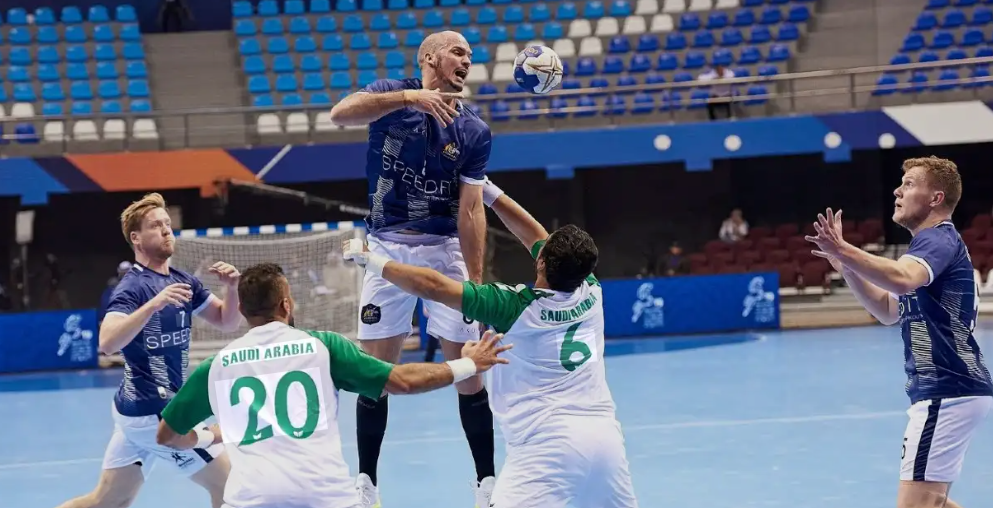
A jump pass is performed while the player jumps into the air and throws the ball toward a teammate. This technique helps the passer avoid defensive blocks and adds momentum to the ball. Jump passes are often used during fast breaks or when passing over defenders near the goal area.
Underhand Pass
In an underhand pass, the player swings the ball from below the waist using one or both hands, sending it to a teammate at a low trajectory. This pass is effective for short distances or when the passer wants to keep the ball low to avoid interception by defenders. Control and precision are essential for successful execution.