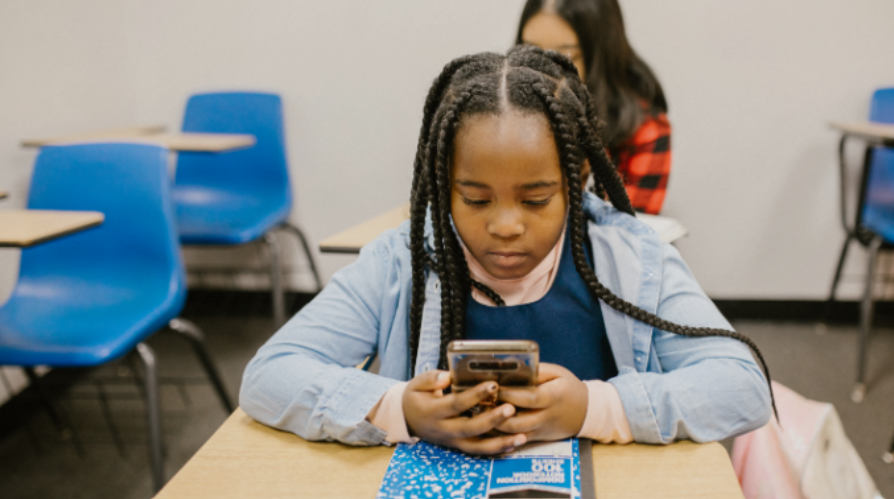
Phones in schools have become a highly debated topic in recent years. While some argue that they are a distraction, others see them as powerful educational tools. With the rise of digital learning and technology-based teaching methods, many schools are reconsidering strict bans on phones. When used appropriately, phones can enhance learning, provide access to information, and help students stay organized.
Among the benefits of allowing phones in schools is access to educational resources. Students can use their devices to look up information, access e-books, educational apps, or even online courses. This makes learning more interactive and allows students to explore subjects beyond what is taught in the classroom. Phones also make it easier to complete assignments and collaborate with classmates on projects through shared documents or messaging platforms.
Phones also improve communication and safety. Students can quickly reach their parents, guardians, or school authorities in emergencies. For schools, phones can help with administrative tasks, sending notifications, or organizing school activities. Additionally, in today’s digital world, teaching students to use technology responsibly prepares them for future work and life situations, promoting digital literacy and proper etiquette.
However, phones can also be a source of distraction if not managed well. Social media, games, and unrelated content can take attention away from studies. Schools that allow phones often implement rules to ensure they are used appropriately, such as restricting use during lessons or encouraging educational purposes only. When guided properly, phones can be a tool rather than a disruption.
Overall, phones in schools can be extremely beneficial if balanced with discipline and structure. They support learning, improve communication, and develop students’ digital skills. By teaching students responsible use, schools can integrate technology into education in a way that prepares students for the modern world while minimizing distractions.

Why Phones Should Be Allowed in Schools
Access to Educational Resources
Phones provide students with instant access to online educational tools, research materials, e-books, and educational apps. This allows them to enhance their learning beyond textbooks and traditional classroom methods.
Improved Communication
Having phones in school allows students to communicate quickly with parents, guardians, or school staff in case of emergencies. This enhances safety and peace of mind for both students and parents.
Learning Digital Literacy
In the modern world, digital skills are essential. Using phones responsibly in school teaches students how to navigate technology, research online, and evaluate information critically.
Organization and Time Management
Smartphones come with tools such as calendars, reminders, and note-taking apps. These features help students keep track of homework, deadlines, and school activities, fostering better organization.
Support for Special Needs
Phones can be powerful tools for students with learning disabilities. Text-to-speech apps, reading assistants, and organizational tools help them participate fully in lessons and complete assignments.
Enhances Collaboration
Phones allow students to collaborate on projects through messaging apps, shared documents, and learning platforms. This encourages teamwork and effective communication skills.
Emergency Situations
In case of accidents, medical emergencies, or school lockdowns, phones allow students to contact emergency services or loved ones immediately, which can save lives.
Access to Online Classes
Phones can serve as backup devices for attending online classes, educational webinars, or virtual tutoring sessions, ensuring students do not miss learning opportunities due to lack of access to a computer.
Encourages Self-Learning
With access to online tutorials, educational videos, and interactive quizzes, phones allow students to explore topics beyond the curriculum, promoting curiosity and independent learning.
Promotes Responsibility
When students are allowed to use phones responsibly in school, they learn self-discipline, appropriate usage, and digital etiquette, preparing them for future professional environments.
Quick Access to Learning Apps
Many subjects now have interactive apps for practice, revision, and assessment. Phones allow students to use these tools anytime, enhancing understanding and retention of lessons.
Reduces Dependence on Paper
Phones can reduce the need for printed materials, as students can read, take notes, submit assignments, and even conduct experiments digitally, contributing to a more eco-friendly approach to education.