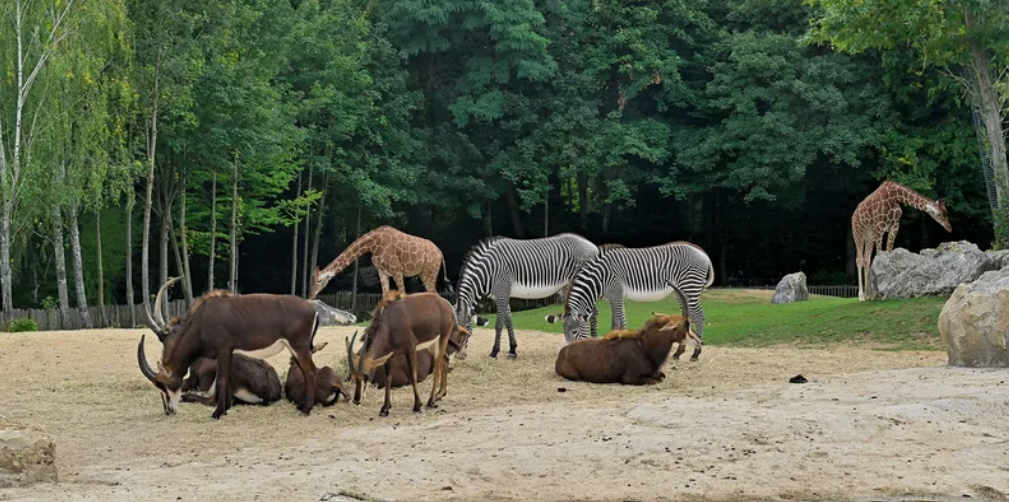
Animal conservation in zoos is a complex and often debated topic that sits at the intersection of science, ethics, and public education. Modern zoos increasingly present themselves not merely as places of entertainment, but as conservation institutions with a responsibility to protect endangered species. Through captive breeding, research, and public awareness, zoos play a meaningful role in preventing species extinction, especially as habitat loss and climate change accelerate worldwide.
The most significant contributions of zoos to conservation is their participation in captive breeding programs. For species with critically low populations in the wild, such programs can act as a genetic safety net. Carefully managed breeding helps maintain genetic diversity and, in some cases, provides individuals that can be reintroduced into protected natural habitats. Successful examples include certain species of birds, amphibians, and large mammals that might otherwise have disappeared entirely.
Zoos also contribute to conservation through scientific research. By studying animal health, reproduction, nutrition, and behavior in controlled settings, researchers gain insights that can be applied to wildlife management and conservation strategies in the wild. Veterinary advances developed in zoos have improved care for wild animals, and long-term studies help scientists better understand species that are difficult to observe in natural environments.
Education and public awareness are another key conservation role of zoos. By allowing people to see animals up close, zoos can foster emotional connections that inspire concern for wildlife and the environment. Many zoos support this mission through educational programs, conservation messaging, and partnerships with schools, helping visitors understand threats such as poaching, deforestation, and climate change.
Despite these contributions, animal conservation in zoos remains controversial. Critics argue that conservation efforts should prioritize protecting natural habitats rather than keeping animals in captivity, and that not all zoos meet high welfare standards.
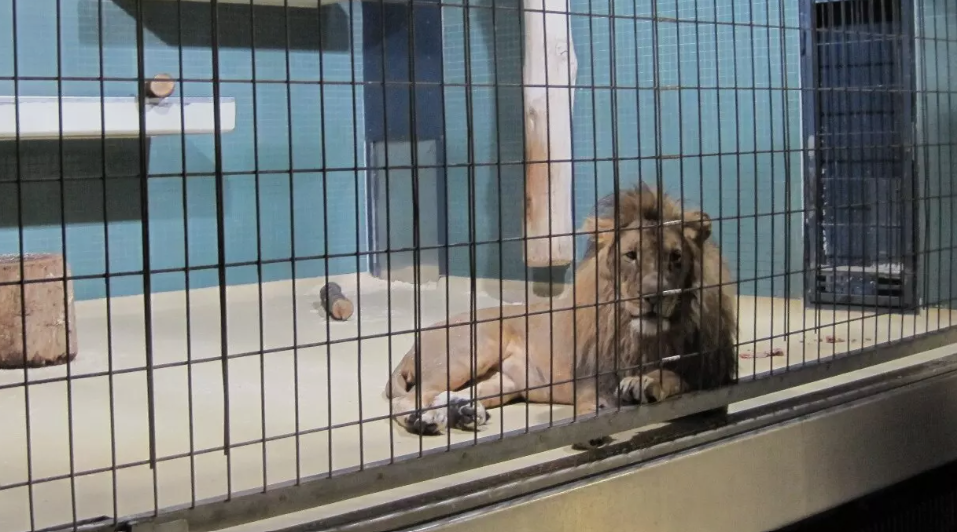
Reasons Why Animals Should Not Be Kept In Zoos
Loss of Natural Freedom
Animals in zoos are confined to limited spaces that restrict their natural movement and behaviors. In the wild, animals roam vast territories, hunt, migrate, and interact freely with their environment. Captivity removes this freedom, reducing life to routines controlled by humans.
Psychological Stress and Mental Suffering
Many zoo animals develop stress-related behaviors such as pacing, rocking, or self-harm—known as stereotypies. These behaviors are rare in the wild and indicate mental distress caused by confinement, boredom, and lack of stimulation.
Inadequate Living Conditions
Even the most modern zoos cannot fully replicate natural habitats. Artificial enclosures often lack the complexity of wild environments, such as varied terrain, climate conditions, and ecological interactions essential for an animal’s well-being.
Disruption of Natural Behaviors
Animals in captivity often cannot hunt, forage, migrate, or choose mates naturally. These instincts are deeply ingrained, and preventing animals from expressing them leads to frustration, poor health, and behavioral abnormalities.
Ethical Concerns About Animal Rights
Keeping animals in zoos raises serious ethical questions about whether humans have the right to confine other species for entertainment or education. Many argue that animals, as sentient beings, deserve autonomy and respect rather than captivity.
Breeding for Display Rather Than Conservation
While zoos claim to support conservation, many breeding programs exist primarily to maintain popular exhibits. Animals bred in captivity often cannot be released into the wild, making their conservation value limited.
Shortened Lifespans for Some Species
Certain animals, especially large mammals like elephants and big cats, tend to live shorter lives in captivity. Stress, lack of exercise, and unnatural diets contribute to chronic health problems and premature death.
Separation of Families and Social Groups
Zoo management often separates animals from their natural family structures for breeding, transport, or space reasons. This disrupts strong social bonds, particularly in highly social species such as primates, elephants, and wolves.
Poor Educational Value
Zoos often present animals in unnatural settings, which can give visitors a distorted understanding of wildlife. Seeing animals behind bars or glass does not accurately reflect how they behave or survive in the wild.
Exploitation for Human Entertainment
Animals are frequently used as attractions to generate revenue through ticket sales, shows, and photo opportunities. This commercial focus prioritizes profit over animal welfare and turns living beings into objects of entertainment.
Risk of Physical Injury
Confined spaces, hard surfaces, and human interaction increase the risk of injury. Animals may harm themselves due to stress or suffer injuries from enclosure designs that do not suit their natural movement patterns.
Loss of Survival Skills
Animals raised in zoos often lack essential survival skills such as hunting, avoiding predators, or finding food. This makes them dependent on humans and unable to survive if released into natural environments.
Spread of Diseases
Close confinement and exposure to humans and other species increase the risk of disease transmission. Some diseases can spread between animals and humans, posing risks to both captive wildlife and zoo visitors.
Better Alternatives Exist
Wildlife sanctuaries, protected reserves, and national parks offer more humane ways to protect animals. These alternatives allow animals to live in more natural conditions without being confined for public display.
Conservation Should Focus on Habitats, Not Captivity
True conservation means protecting ecosystems and preventing habitat destruction. Investing in preserving natural environments addresses the root causes of species decline rather than confining animals in artificial settings.