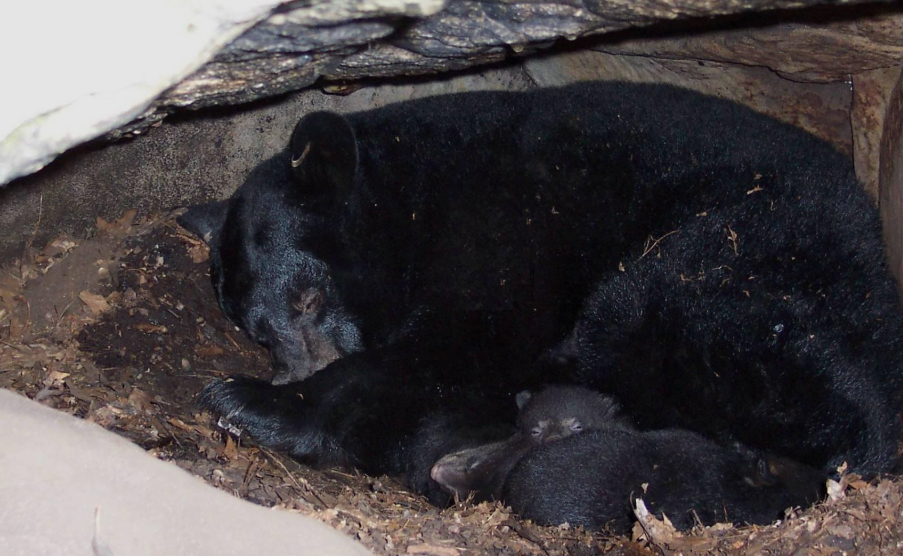
Hibernation is a survival strategy used by many animals to cope with harsh environmental conditions, particularly during winter. During this period, animals enter a state of dormancy, significantly slowing down their metabolism, heart rate, and breathing. This allows them to conserve energy when food is scarce and temperatures are too low for normal activity.
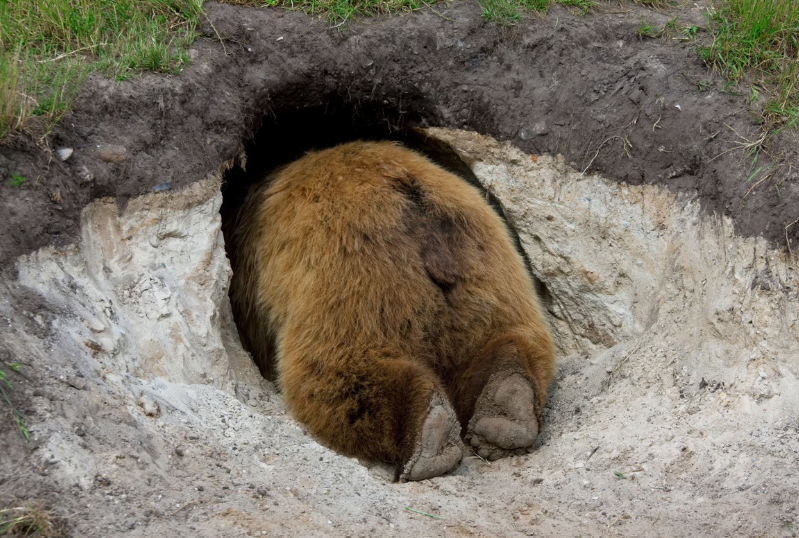
Animals that hibernate often find or create sheltered places such as burrows, caves, or hollow logs to protect themselves from predators and extreme weather. Some species, like bears, may sleep in dens, while smaller animals like bats or hedgehogs hide in leaf litter or underground tunnels. These shelters provide safety and insulation throughout the hibernation period.
Hibernation is closely linked to energy conservation. By reducing bodily functions, animals minimize the calories they need to survive. Fat reserves stored before winter become their primary source of energy, supporting them until conditions improve and food becomes available again.
This phenomenon is not limited to cold climates. Some animals enter a similar state called estivation during extremely hot or dry seasons, which serves the same purpose of conserving energy and water. Both hibernation and estivation are examples of how animals adapt to environmental stressors.
Reasons Why Animals Hibernate
To Survive Cold Winters
Hibernation allows animals to survive harsh winter conditions when temperatures drop below their tolerance. By slowing down their metabolism and entering a state of dormancy, animals conserve energy that would otherwise be spent keeping warm in freezing environments.
Due to Scarcity of Food
During winter, food sources like plants, insects, or small prey become scarce. Hibernation helps animals survive periods when they cannot find enough to eat, reducing their energy needs until food becomes available again.
Energy Conservation
Hibernation is an energy-saving strategy. By lowering heart rate, breathing, and body temperature, animals reduce their caloric requirements, enabling them to survive long periods without eating.
Protection from Predators
Dormant animals often hide in burrows, caves, or under snow, making them less visible to predators. Hibernation can act as a survival strategy that reduces the risk of being hunted during vulnerable seasons.
Reproductive Strategy
Some animals hibernate to align their life cycles with favorable conditions for reproduction. By emerging in spring, they ensure that their offspring are born when food is plentiful and the weather is mild.
Coping with Harsh Environmental Conditions
Extreme weather, including snow, ice, and prolonged rain, makes survival difficult. Hibernation allows animals to wait out these unfavorable conditions instead of attempting to remain active in a hostile environment.
Avoiding Water Shortages
In winter or dry seasons, water may be frozen or unavailable. Hibernation helps animals reduce water loss and survive periods when drinking water is scarce.
Reducing Risk of Disease
Cold seasons can increase susceptibility to illness due to stress or weakened immune systems. Hibernating lowers activity levels and limits exposure to disease vectors, helping animals survive until conditions improve.
Following Evolutionary Adaptation
Hibernation is an evolutionary adaptation that allows certain species to thrive in regions with seasonal changes. Over time, animals that could enter dormancy during harsh seasons survived and passed this trait to future generations.
Synchronizing with Ecosystem Cycles
By hibernating, animals align their activity patterns with seasonal cycles of plants, prey, and predators. This timing ensures they are active when resources are abundant and dormant when conditions are dangerous or food is limited.