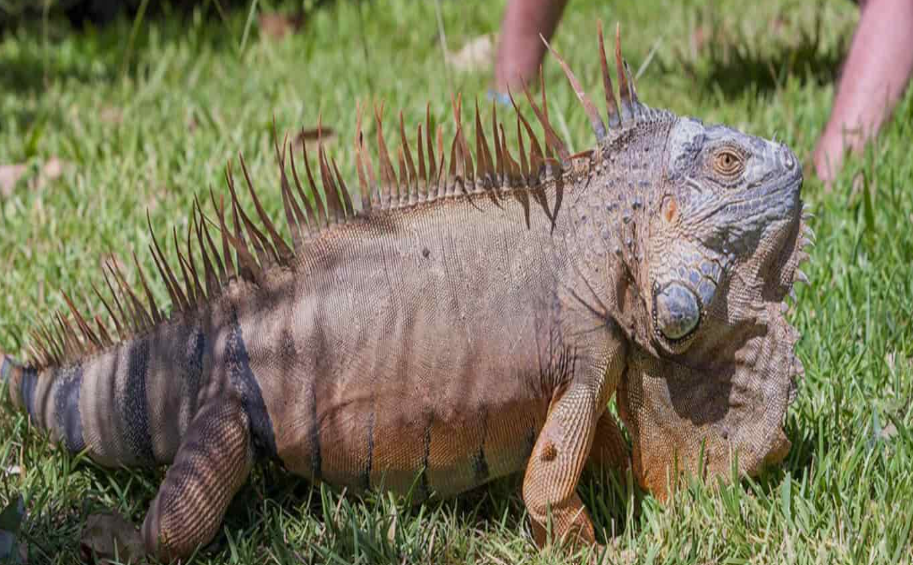
Animal and plant extinction is one of the most urgent environmental challenges facing the world today. Species disappear when they are unable to survive changes in their environment, whether due to natural events or human activities. Every extinction not only removes a unique organism but also disrupts ecosystems, as each species plays a specific role in maintaining ecological balance.
As forests are cleared, wetlands drained, and grasslands converted to farmland or cities, countless animals and plants lose the places they depend on for food, shelter, and reproduction. Without suitable habitats, populations decline rapidly, and many species cannot recover.
Rising temperatures, unpredictable rainfall, and extreme weather events can make ecosystems uninhabitable. Plants may fail to flower or produce seeds, and animals may lose access to food and water. Species that cannot adapt quickly enough face a high risk of disappearing.
Human activities like overhunting, pollution, and introduction of invasive species worsen the problem. Overexploitation removes individuals faster than populations can replenish, while pollution poisons air, water, and soil. Invasive species compete with or prey upon native species, often leading to local or complete extinction.
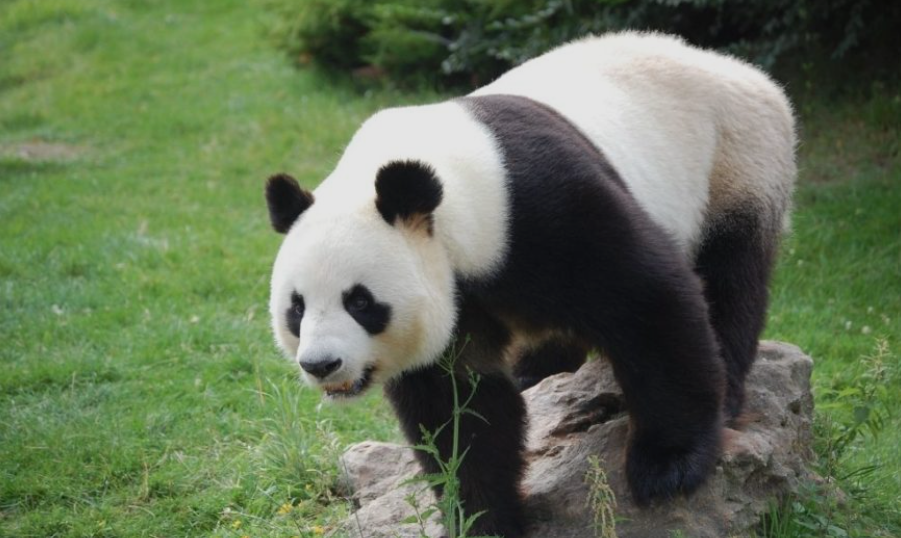
Reasons Why Animals and Plants Go Extinct
Habitat Destruction
The destruction of natural habitats through deforestation, urban expansion, mining, and agriculture is the leading cause of extinction. When ecosystems are destroyed or fragmented, species lose their homes, food sources, and breeding grounds, making survival impossible.
Climate Change
Rising global temperatures, changing rainfall patterns, and extreme weather events disrupt ecosystems. Many species cannot adapt quickly enough to these rapid changes, leading to population declines and eventual extinction.
Overexploitation
Excessive hunting, fishing, logging, and harvesting push species beyond their ability to recover. When organisms are removed faster than they can reproduce, populations collapse.
Pollution
Pollutants such as plastics, pesticides, oil spills, and industrial waste contaminate air, soil, and water. These toxins can cause illness, reproductive failure, and death in both animals and plants.
Invasive Species
Non-native species introduced into new environments often outcompete, prey on, or bring diseases to native species. Without natural predators or defenses, native plants and animals may rapidly decline.
Loss of Biodiversity
Healthy ecosystems rely on a balance of many species. When biodiversity decreases, ecosystems become unstable, making remaining species more vulnerable to disease, environmental change, and extinction.
Overpopulation of Humans
Rapid human population growth increases demand for land, food, and resources. This leads to habitat loss, pollution, and overuse of natural ecosystems that many species depend on.
Unsustainable Agriculture
Modern farming practices often involve monoculture cropping, heavy pesticide use, and land clearing. These practices reduce soil quality and destroy habitats, harming both plant and animal species.
Poaching and Illegal Wildlife Trade
Illegal hunting and trafficking for food, medicine, pets, and luxury goods severely threaten many species. High demand drives relentless exploitation, particularly of rare and endangered animals.
Disease Outbreaks
Diseases can devastate species with small or isolated populations. Human activity and climate change often increase the spread of diseases into ecosystems where species have little immunity.
Natural Disasters
Volcanic eruptions, wildfires, floods, and droughts can wipe out entire populations, especially species with limited ranges. While natural, these events can be more destructive when ecosystems are already stressed.
Loss of Genetic Diversity
Small populations suffer from inbreeding, which weakens genetic resilience. Reduced genetic diversity makes species less adaptable to environmental changes and more prone to disease.
Ocean Acidification
Increased carbon dioxide absorption by oceans lowers pH levels, harming marine life such as corals and shell-forming organisms. This disrupts marine food chains and leads to widespread species loss.
Fragmentation of Ecosystems
Roads, fences, and human settlements divide ecosystems into isolated patches. This limits movement, breeding opportunities, and access to resources, increasing extinction risk.
Weak Conservation Policies
Poorly enforced environmental laws and lack of conservation funding allow destructive practices to continue. Without strong protection and global cooperation, many species face unchecked decline.