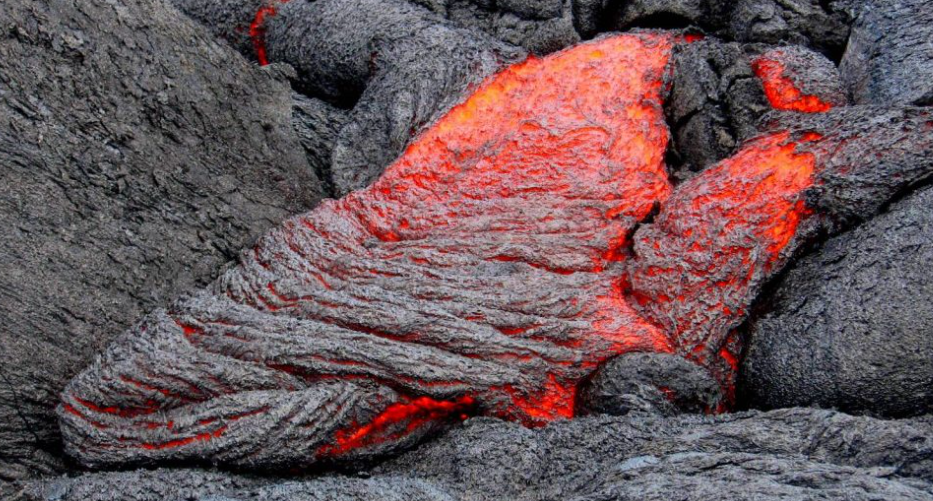
Igneous rocks form through the cooling and solidification of molten rock material, known as magma when it exists beneath the Earth’s surface and lava when it erupts and flows across the surface. The word igneous derives from the Latin term for fire, an apt description of the fiery origins of these rocks deep within the Earth’s interior. Igneous rocks represent the most fundamental category in the rock cycle, as the magma from which they form ultimately originates from the partial melting of existing rock material within the mantle or crust, making igneous rocks in some sense the raw material from which all other rocks are eventually derived.
The classification of igneous rocks depends on two primary factors — the chemical composition of the magma from which they crystallized, and the rate at which that magma cooled. Composition ranges along a spectrum from felsic rocks, which are rich in silica, aluminum, and lighter elements and tend to be light in color, through intermediate compositions, to mafic and ultramafic rocks, which are rich in iron and magnesium and tend to be dark in color and denser. This compositional spectrum reflects differences in the source material from which the magma originated and the processes it underwent during its journey toward the surface.
The rate of cooling determines the texture of an igneous rock, creating one of the most visually obvious distinctions within this rock category. Intrusive, or plutonic, igneous rocks form when magma cools slowly beneath the Earth’s surface, allowing individual mineral crystals enough time to grow to sizes that are easily visible to the naked eye, producing a coarse-grained texture. Extrusive, or volcanic, igneous rocks form when lava cools rapidly at or near the surface, preventing large crystals from forming and resulting in a fine-grained or even glassy texture. The same chemical composition can therefore produce dramatically different-looking rocks depending entirely on how quickly the original melt solidified.
Igneous rocks make up the majority of the Earth’s crust by volume, with basalt forming the foundation of the ocean floor and granite forming much of the continental crust, while a vast diversity of other igneous rock types occur in more specific geological settings. Understanding the different types of igneous rocks provides insight into the processes occurring deep within the Earth, the conditions under which different magmas form and evolve, and the volcanic and plutonic activity that has shaped the planet’s surface throughout its history.
Granite
Granite is a coarse-grained, felsic intrusive igneous rock that forms from the slow cooling of magma deep within the Earth’s crust, allowing large crystals of quartz, feldspar, and mica to develop over extended periods of time. It is one of the most abundant rocks within the continental crust.
Large bodies of granite, called batholiths, form the cores of many mountain ranges and become exposed at the surface only after extensive erosion has removed the rock that once lay above them. Granite’s hardness, durability, and attractive appearance have made it a popular material for buildings, monuments, and countertops throughout human history.
Diorite
Diorite is a coarse-grained, intermediate-composition intrusive igneous rock that typically displays a distinctive salt-and-pepper appearance created by its mixture of light-colored plagioclase feldspar and dark-colored minerals such as hornblende and biotite. Its composition places it between granite and gabbro on the compositional spectrum.
Diorite often occurs in association with granite within the same intrusive bodies, sometimes forming where magmas of different compositions have mixed together or where a single magma chamber has evolved chemically over time. Its attractive mottled appearance and durability have made diorite a valued material for sculpture and architectural decoration in various cultures throughout history.
Gabbro
Gabbro is a coarse-grained, mafic intrusive igneous rock that represents the slowly cooled equivalent of basalt, sharing basalt’s composition rich in iron and magnesium minerals such as pyroxene and plagioclase feldspar. Gabbro forms a major component of the lower oceanic crust.
The slow cooling that produces gabbro’s coarse texture occurs within large magma chambers beneath the surface, often in settings associated with the formation of new oceanic crust at mid-ocean ridges. Large bodies of gabbro are frequently associated with valuable deposits of metals including chromium, nickel, and platinum group elements, making this rock type economically significant in certain regions.
Peridotite
Peridotite is a coarse-grained, ultramafic intrusive igneous rock composed primarily of the mineral olivine along with significant amounts of pyroxene, representing the dominant rock type of the Earth’s upper mantle. Its high iron and magnesium content gives peridotite a characteristic greenish color.
Peridotite rarely reaches the surface in its original form, typically being exposed only where tectonic processes have brought slices of oceanic mantle onto land or where volcanic eruptions have carried fragments of mantle material upward rapidly. Peridotite is significant as the host rock for diamonds, which crystallize under the extreme pressures found at the depths from which peridotite originates.
Pegmatite
Pegmatite is an extremely coarse-grained intrusive igneous rock characterized by exceptionally large crystals, sometimes reaching sizes of meters in length, that form during the final stages of magma crystallization when residual fluids become enriched in water and rare elements. This enrichment allows crystals to grow far larger than in ordinary granite.
The unusual chemical conditions under which pegmatites form often concentrate rare and valuable minerals, including gemstones such as tourmaline, beryl, and topaz, as well as economically important minerals containing lithium, tantalum, and other rare elements. Pegmatites typically occur as relatively thin veins or pockets associated with larger granite bodies, representing the final, mineral-rich residue of a crystallizing magma chamber.
Basalt
Basalt is a fine-grained, mafic extrusive igneous rock that forms from the rapid cooling of lava at or near the Earth’s surface, resulting in a dense, dark-colored rock that is the most common volcanic rock on the planet. It forms the bulk of the ocean floor.
Vast outpourings of basaltic lava have created some of the largest volcanic features on Earth, including extensive flood basalt provinces covering enormous areas with thick sequences of basalt layers. Basalt sometimes develops a distinctive columnar jointing pattern as it cools and contracts, creating striking geological formations found in various locations worldwide.
Andesite
Andesite is a fine-grained, intermediate-composition extrusive igneous rock that forms from lava with a chemical makeup between basalt and rhyolite, commonly erupted from the stratovolcanoes found above subduction zones around the Pacific Ring of Fire. Its name derives from the Andes mountain range.
The intermediate composition of andesite reflects magma that has evolved through partial crystallization of more mafic material or through the melting and mixing of crustal rocks during subduction processes. Andesite typically appears gray to greenish-gray and often contains visible crystals of plagioclase feldspar embedded within a finer-grained matrix.
Rhyolite
Rhyolite is a fine-grained, felsic extrusive igneous rock representing the volcanic equivalent of granite, forming from lava so rich in silica that it is typically extremely viscous and prone to violent, explosive eruption. Its high silica content makes it chemically similar to granite despite very different textures.
Because rhyolitic magma is so viscous, eruptions involving this rock type tend to be among the most explosive in nature, sometimes producing enormous volumes of volcanic ash capable of burying entire landscapes. Rhyolite often displays a banded or flow-layered appearance caused by the movement of viscous lava before it solidified completely.
Obsidian
Obsidian is a naturally occurring volcanic glass that forms when lava cools so rapidly that mineral crystals have no time to develop, resulting in a smooth, glassy texture rather than the crystalline structure typical of most igneous rocks. This rapid cooling usually occurs when lava is extruded into air or water.
The glassy texture of obsidian allows it to fracture into extremely sharp edges, a property that made it highly valued by ancient peoples for crafting tools and weapons, and that continues to find specialized application in certain surgical blades. Obsidian is typically black due to its iron and magnesium content, though variations in composition can produce brown, green, or even rainbow-sheened varieties.
Pumice
Pumice is a lightweight, highly porous extrusive igneous rock that forms when gas-rich magma erupts explosively, causing dissolved gases to expand rapidly and create a frothy texture that solidifies into a rock filled with countless small air pockets. Some varieties are light enough to float on water.
The abundant vesicles within pumice make it useful for various practical applications, including as an abrasive in skincare products and as a lightweight aggregate in certain construction materials. Pumice deposits commonly form around volcanoes that have experienced explosive eruptions, sometimes creating extensive layers used by geologists to characterize past eruptive events.
Scoria
Scoria is a dark-colored, vesicular extrusive igneous rock similar to pumice but generally denser and composed of more mafic material, forming when gas-rich basaltic or andesitic lava cools rapidly while still containing abundant trapped gas bubbles. Its rough, cindery texture distinguishes it from smoother lava forms.
Scoria commonly accumulates around volcanic vents during eruptions characterized by the explosive ejection of lava fragments, building up the cone-shaped landforms known as scoria cones or cinder cones. Its lightweight, porous nature and attractive reddish to black coloration have made scoria popular for landscaping and decorative gardening applications.
Tuff
Tuff is a rock formed from the consolidation of volcanic ash and other fragmental material ejected during explosive eruptions, occupying a position at the boundary between igneous and sedimentary classification depending on how the material was deposited and lithified. Despite its volcanic origin, tuff accumulates through processes similar to sedimentation.
The relative softness of many tuff deposits has made them easy to carve, leading to their use in construction and even in structures carved directly into cliffs of tuff in certain volcanic regions. Tuff deposits can vary enormously in extent and thickness depending on the size and explosivity of the eruption that produced them, with some massive eruptions producing tuff layers covering vast areas.
Dacite
Dacite is a fine-grained extrusive igneous rock with a composition between andesite and rhyolite, forming from lava with a relatively high silica content that makes it viscous and prone to explosive eruption similar to rhyolite. Dacite is common in volcanic arcs associated with subduction zones.
The viscosity of dacitic magma often leads to the formation of steep-sided lava domes, where lava piles up around a vent rather than flowing away as a liquid stream, and these domes can become unstable and collapse, generating dangerous pyroclastic flows. Mount St. Helens in the United States is well known for producing dacitic magma during its significant eruptions.
Komatiite
Komatiite is a rare, ultramafic extrusive igneous rock that formed primarily during the Archean eon of Earth’s early history, when the planet’s interior was significantly hotter than it is today and could produce magmas of unusually high temperature and magnesium content. Very few komatiites have formed in more recent geological time.
The extremely high eruption temperatures associated with komatiite, far exceeding those of modern basaltic lava, produced distinctive crystal textures within the rock that record the rapid growth of olivine crystals from an exceptionally hot melt. Komatiites are of great interest to geologists studying the thermal evolution of the Earth, as their existence provides direct evidence of conditions within the mantle billions of years ago that no longer occur today.